Site home Blog 1688 Moto Parts
Buying notes Practical tutorials for quote requests, specification checks, receiving and shipping.
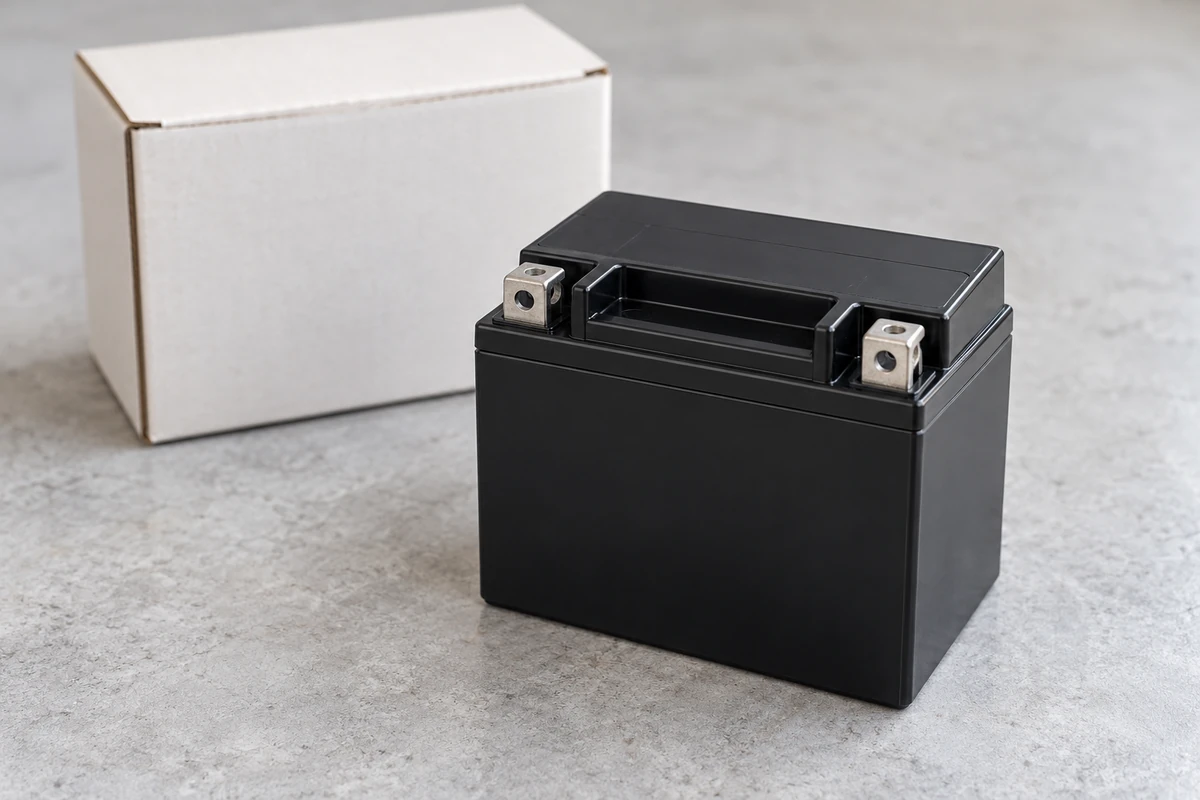
Compare the ordered AGM supply state with delivered identity, existing seal records and activation provenance without charging or opening the battery.
Read article: AGM Battery Receipt: Reconcile the Activation State → After the battery’s supply and activation provenance are established, distinguish fill-and-seal evidence from the separately documented initial charge.
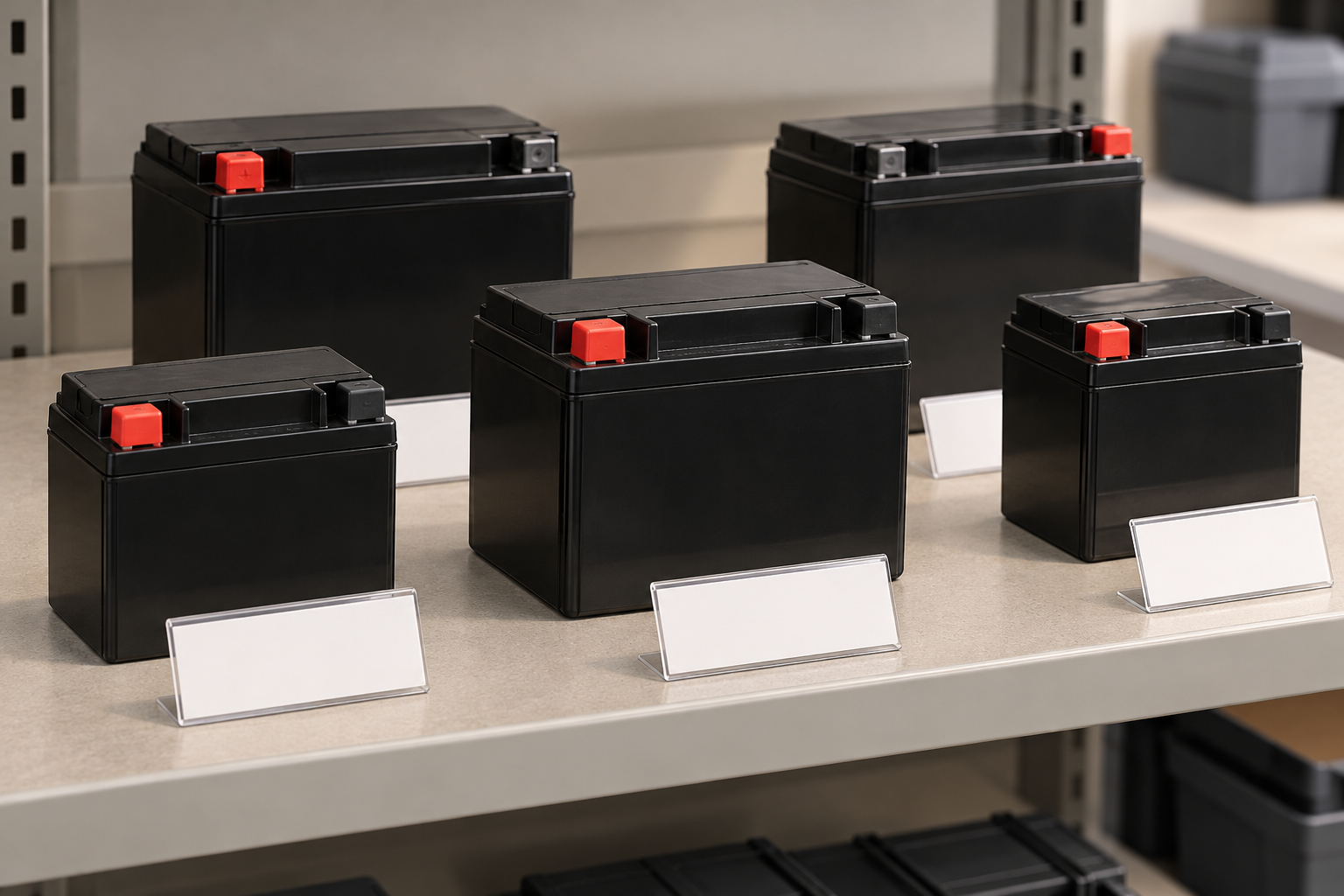
Read article: AGM Handover: Identify Evidence of the Initial Charge → Reconcile activated AGM shelf stock with current maintenance and qualified disposition records before treating it as demand coverage.
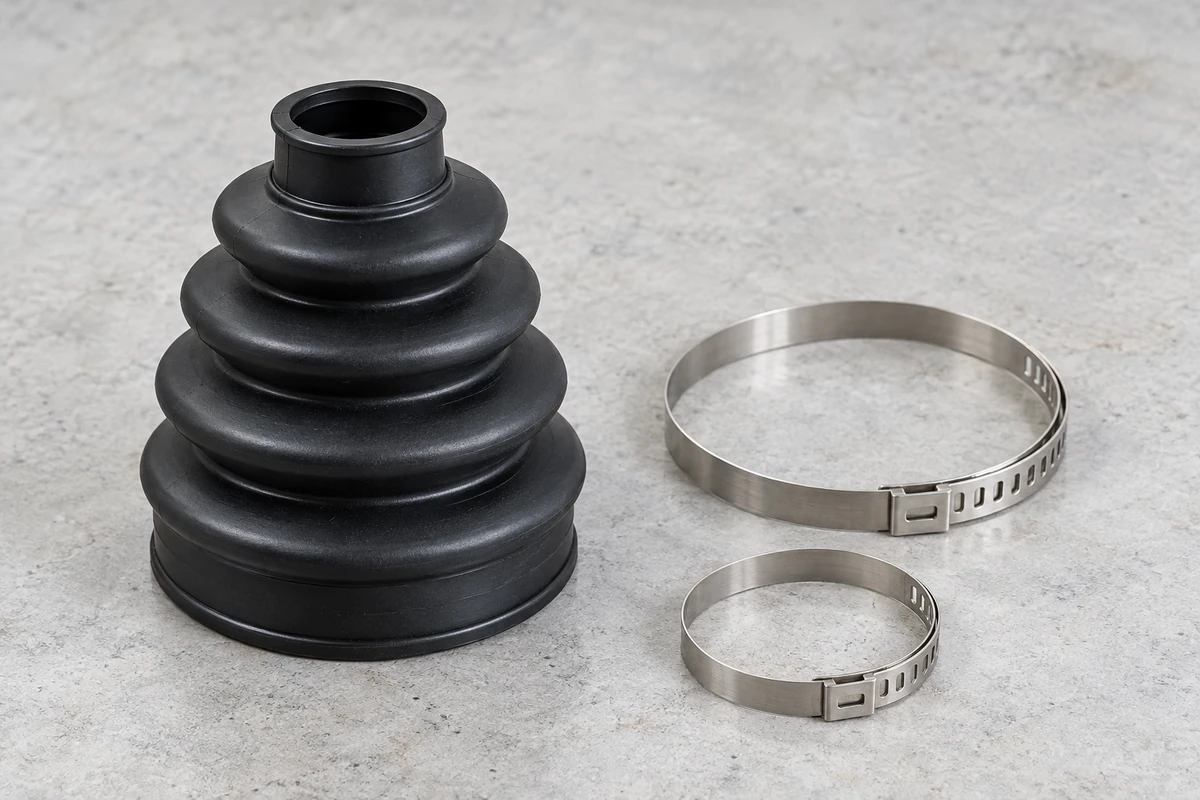
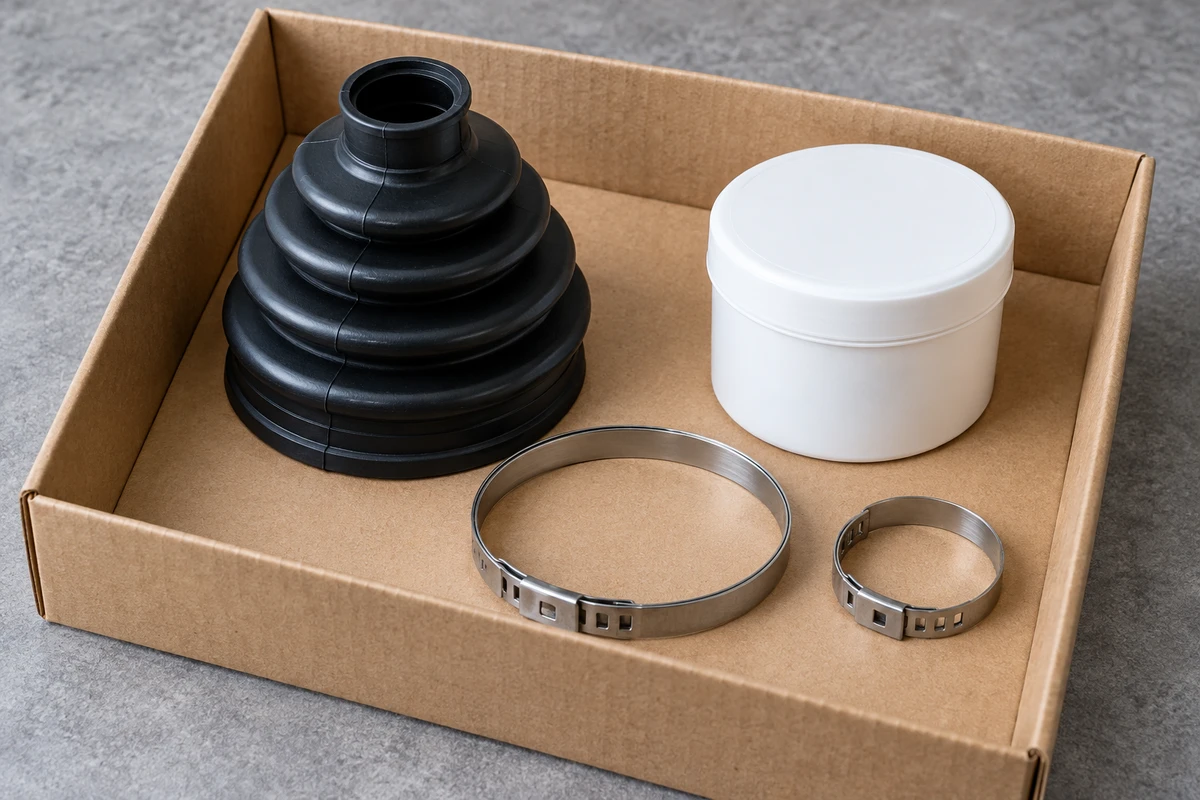
Read article: AGM Stock Reorders: Separate Shelf Counts from Maintained Supply → Separate a vehicle-specific CV-boot offer from a universal-product proposal and keep exact axle, joint and boot position evidence visible.
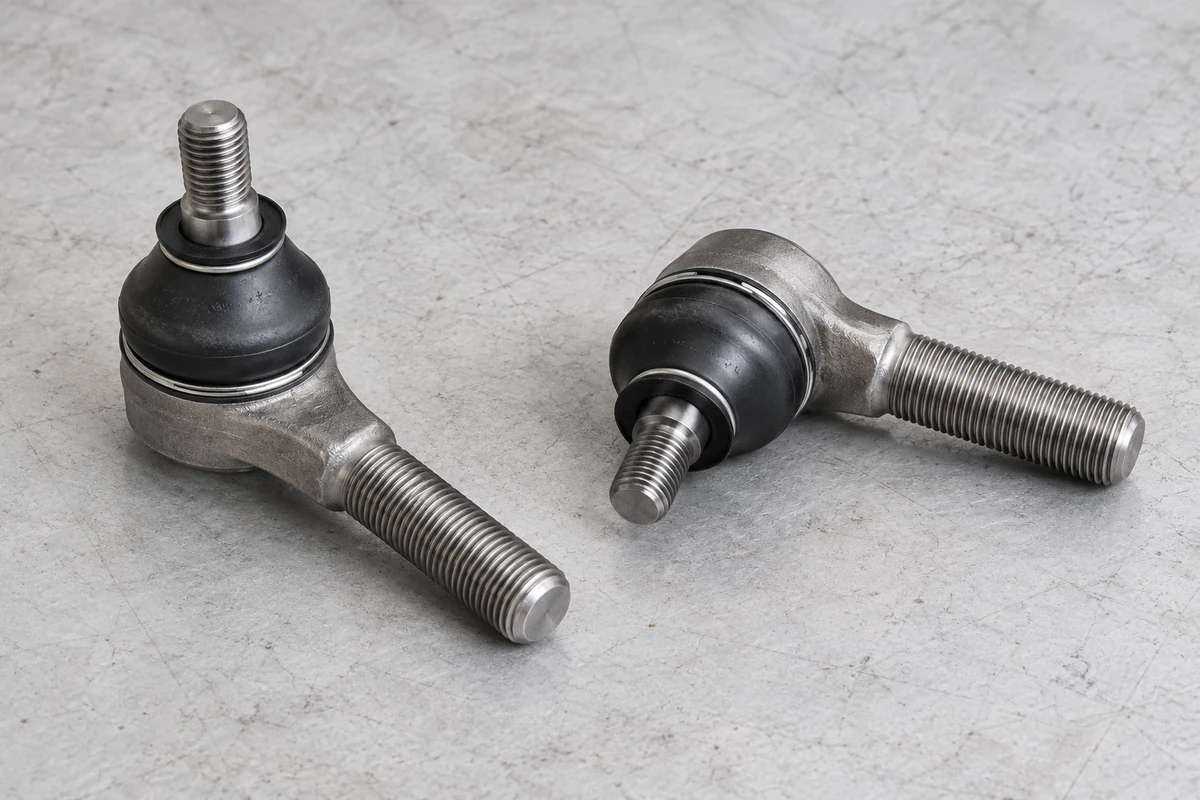
Read article: ATV CV Boot RFQ: Specific Fit or a Separate Universal Proposal? → Keep the approved steering interfaces fixed in a replacement RFQ and identify any tie-rod upgrade as a separate integration proposal.
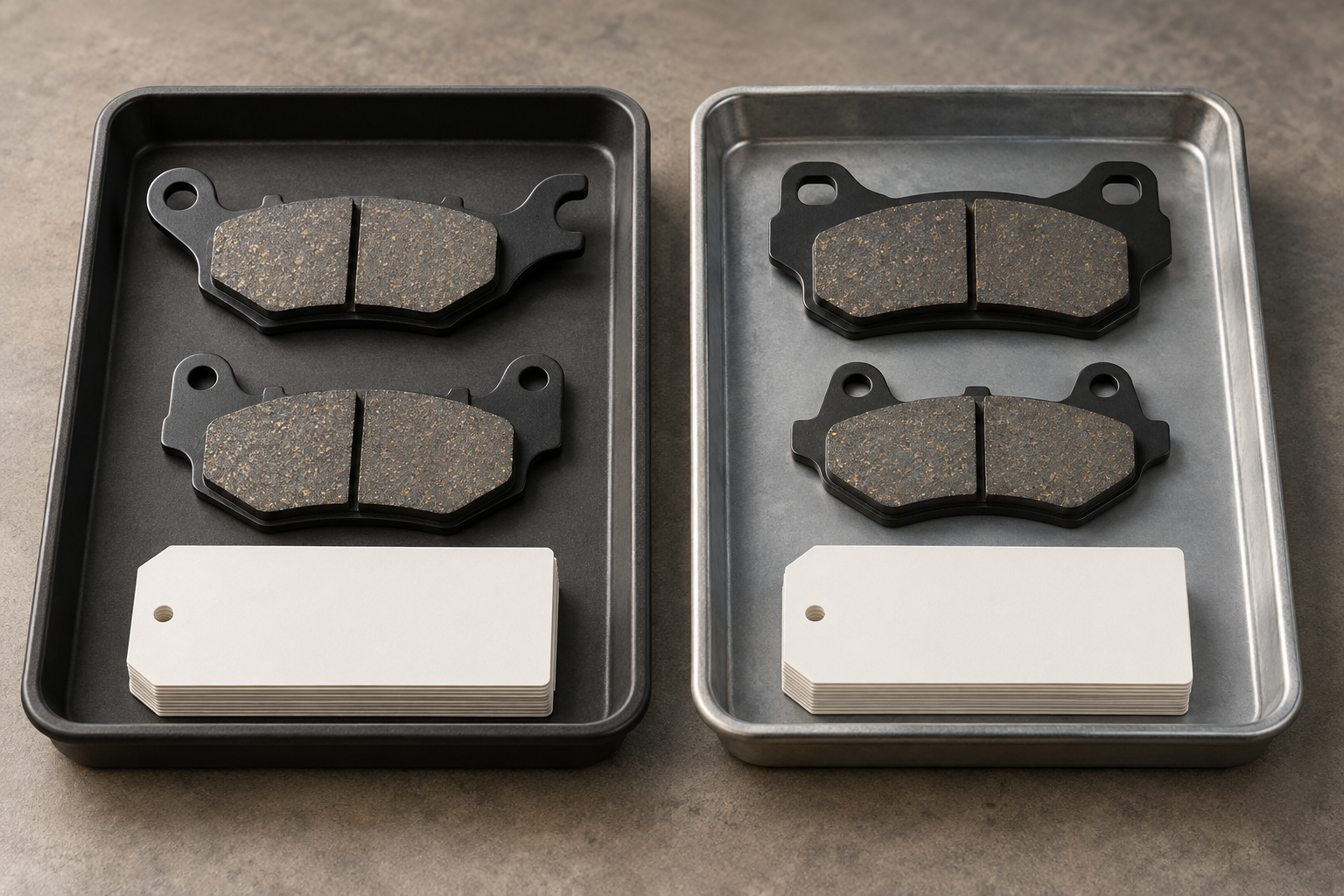
Read article: ATV Tie-Rod RFQ: Separate Replacement from an Upgrade → Retain each approved brake-pad reference and use context when calculating the street and closed-course replenishment mix.
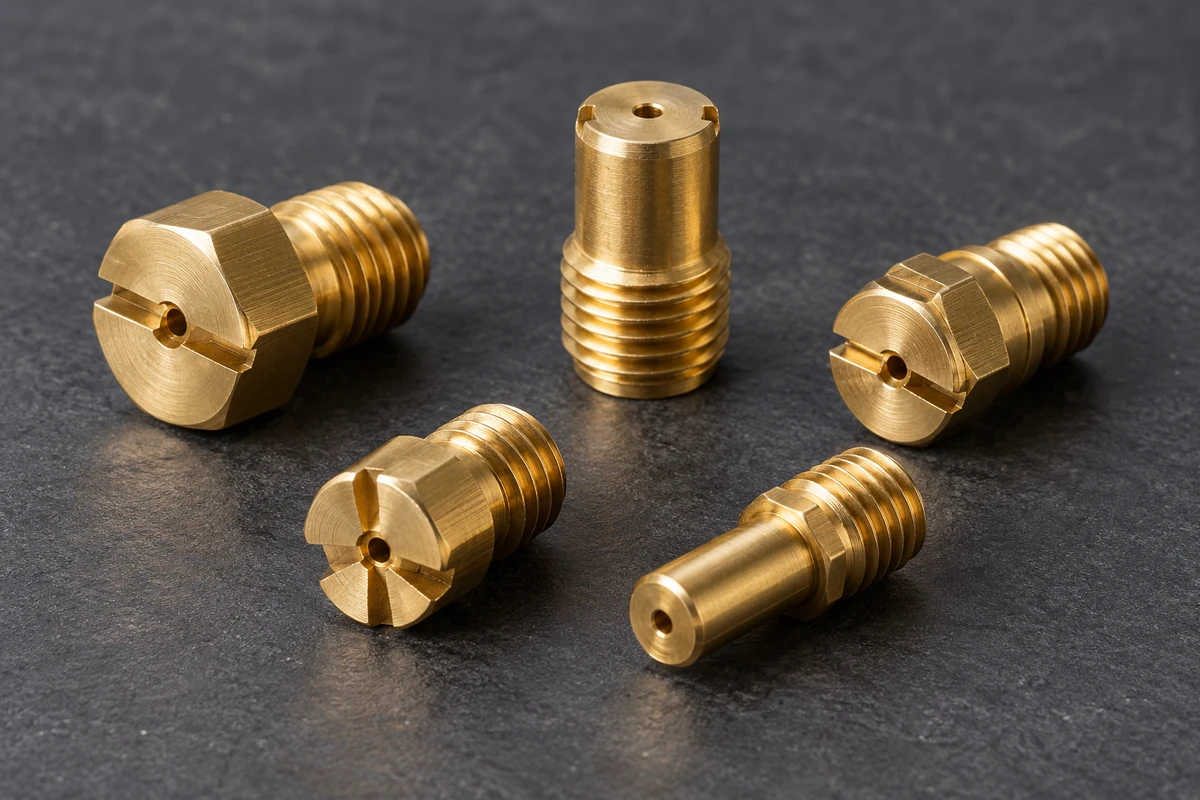
Read article: Brake Pad Reorders: Keep Street and Closed-Course Demand Distinct → Match delivered jet markings to the approved list while keeping unreadable stamps, maker numbering and actual flow evidence distinct.
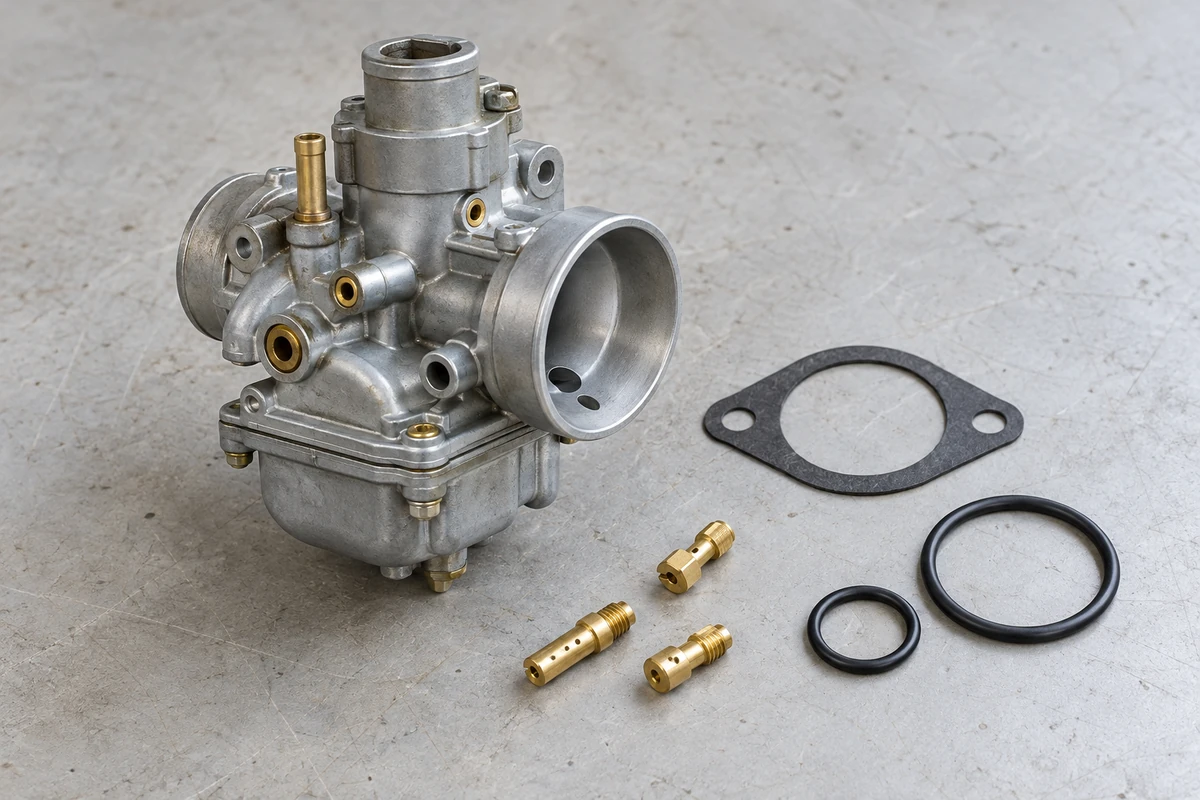
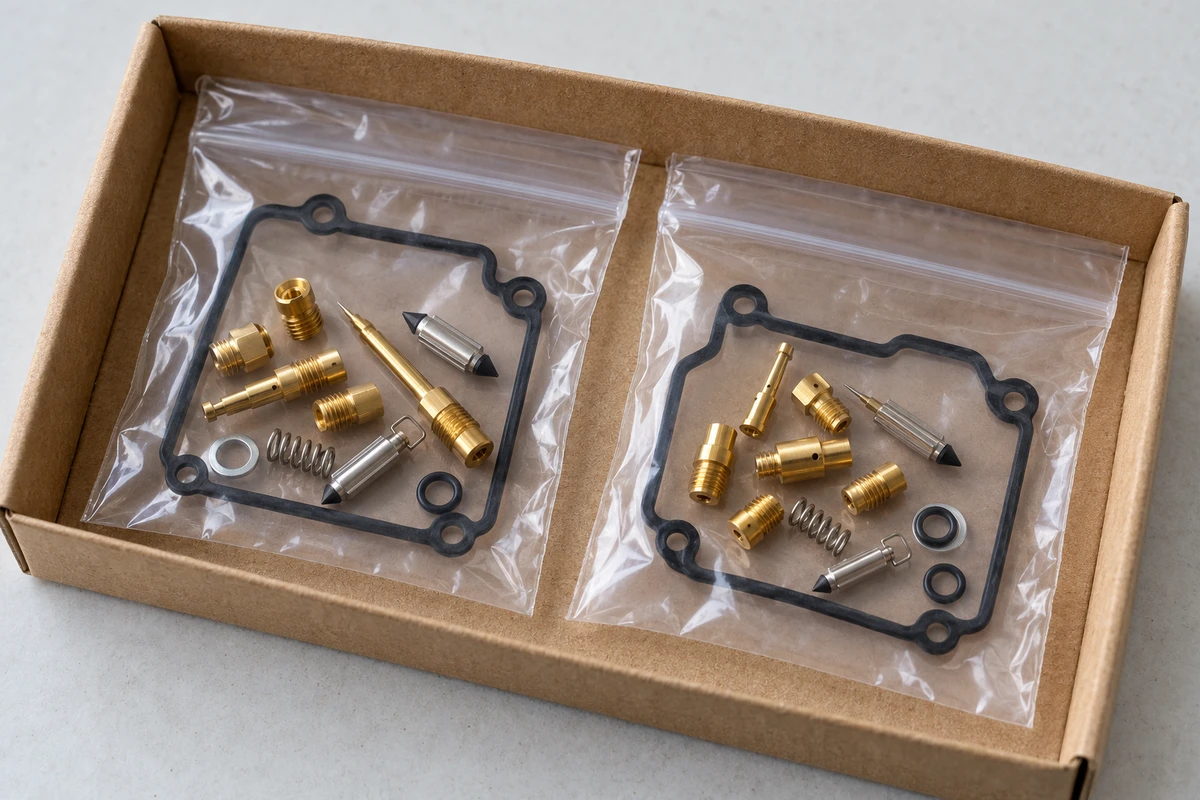
Read article: Carburetor Jet Receipt: Preserve Stamps and Traceability → Identify the actual carburetor and market-specific calibration source before accepting a rebuild kit described for another market.
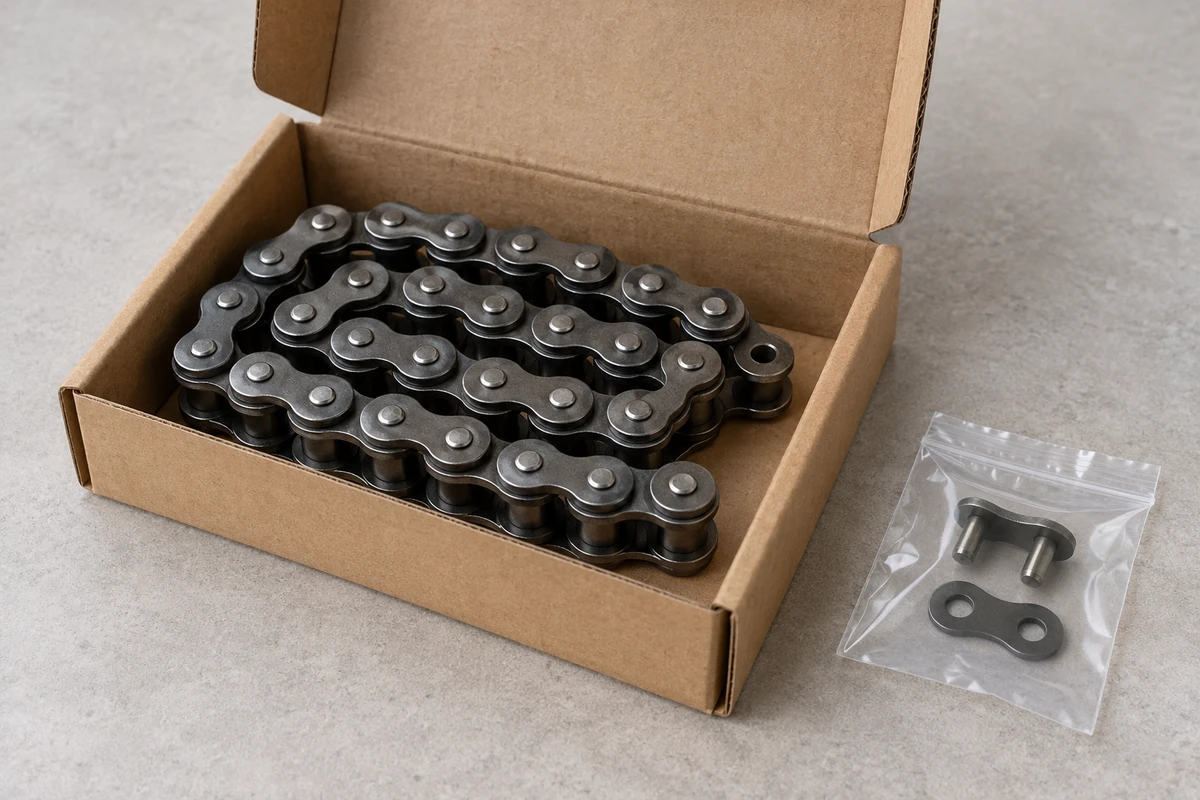
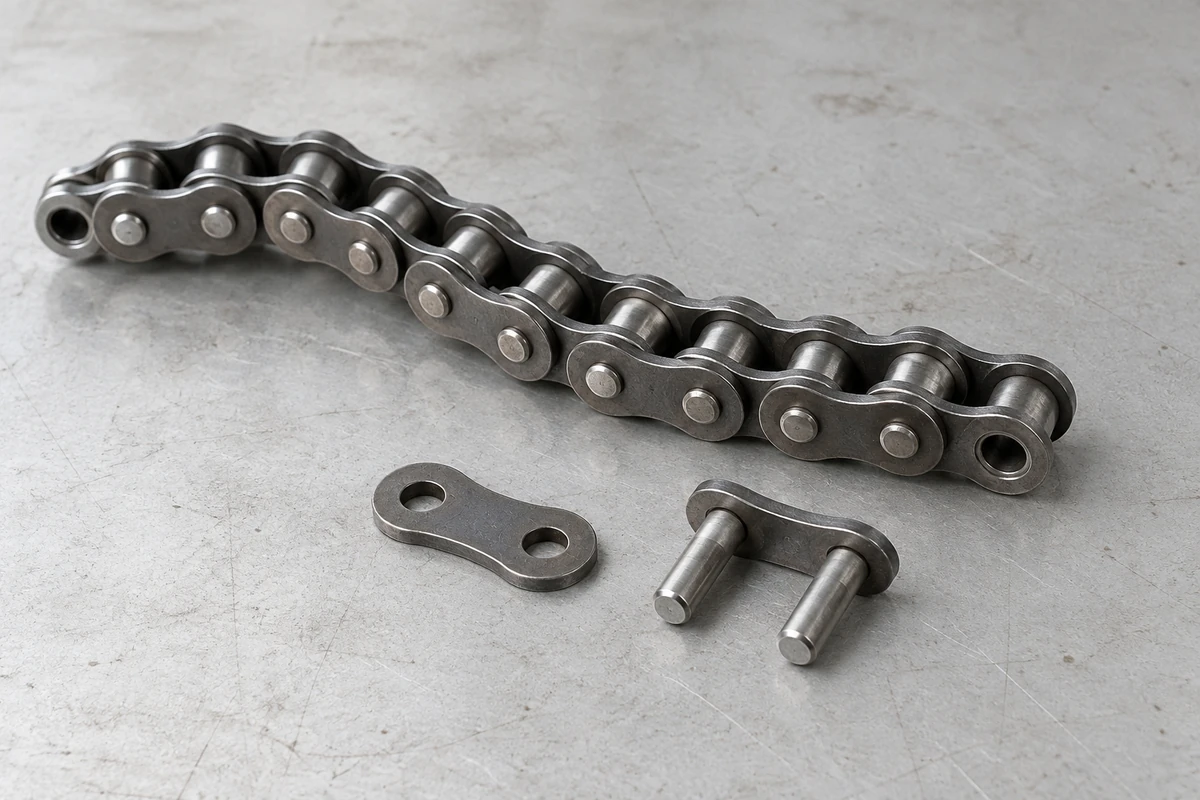
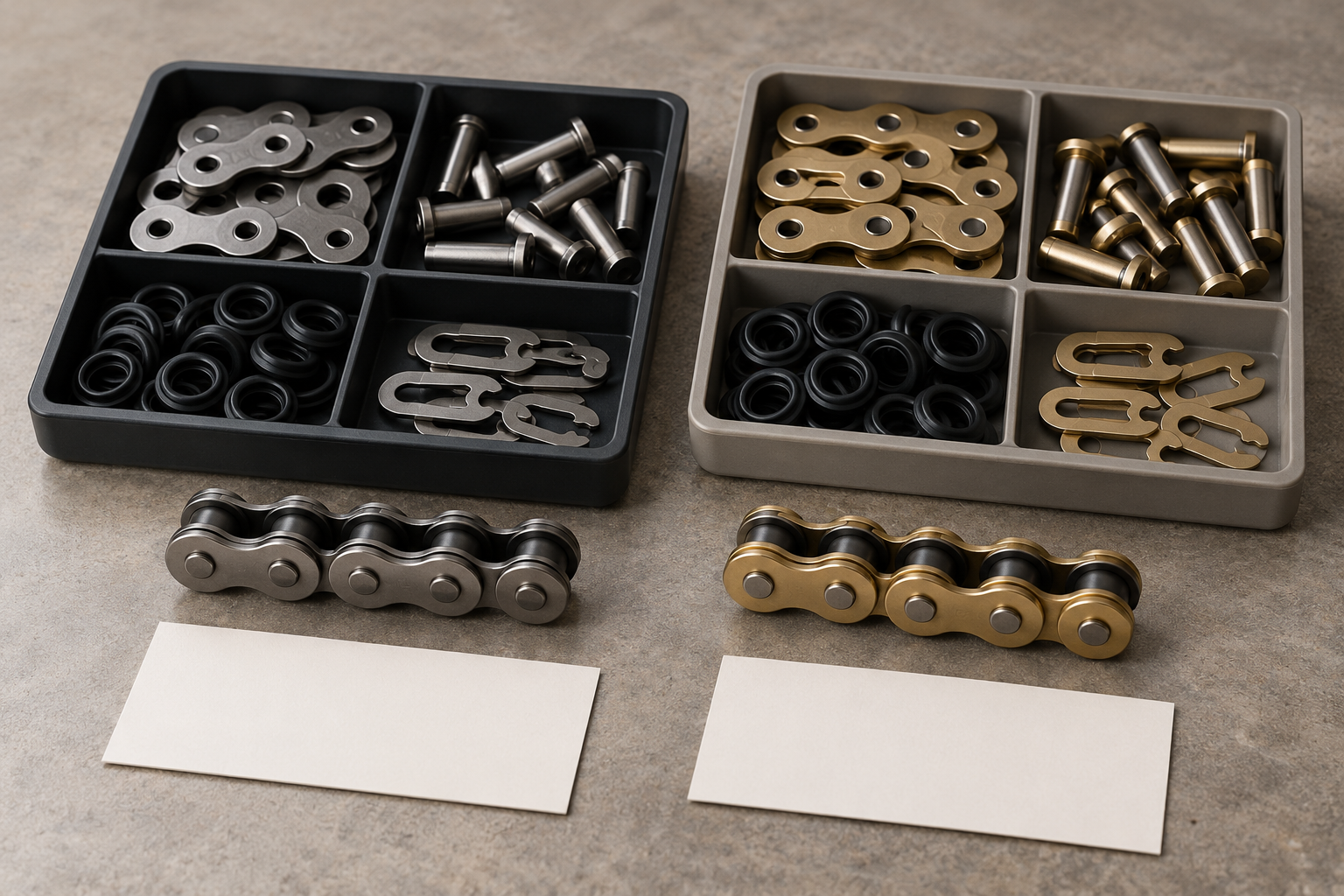
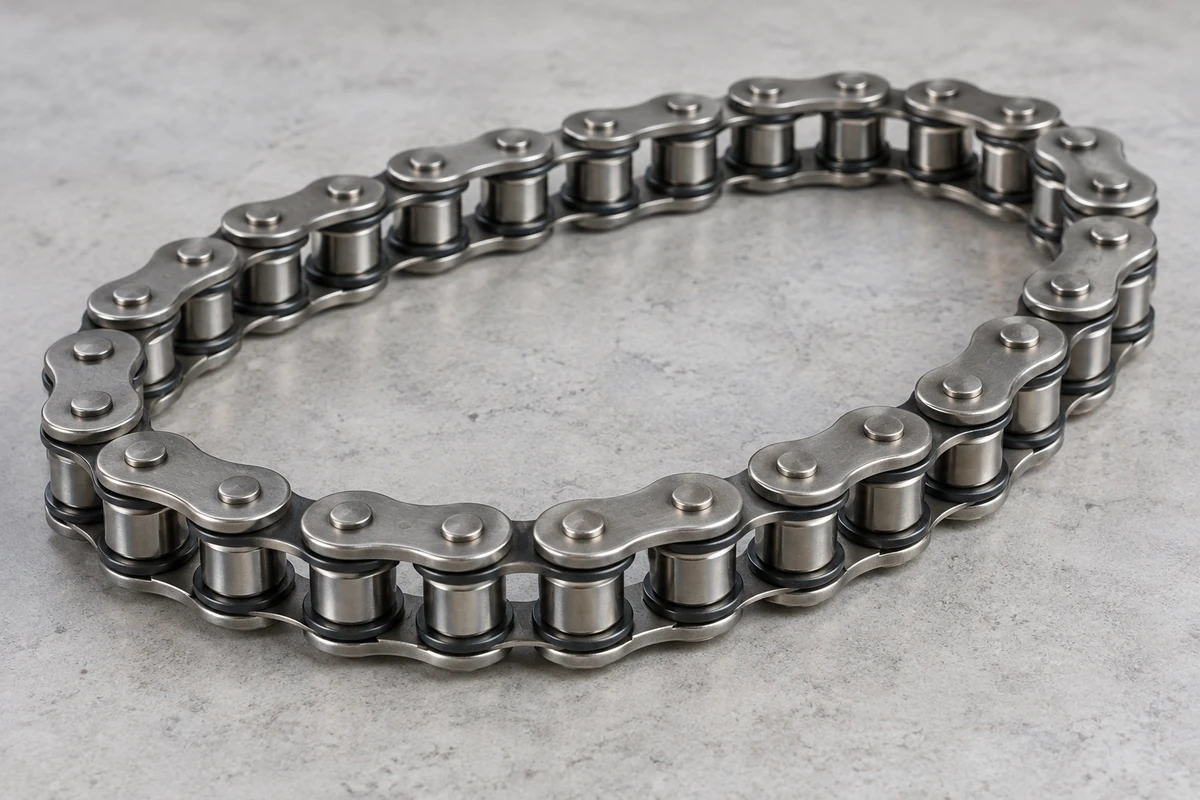
Read article: Carburetor Rebuild RFQ: Preserve Market and Calibration Scope → Keep an approved chain and its connecting-link packet associated through consolidation, without letting nominal size replace the model record.
Read article: Chain Kit Packing: Preserve Each Connecting-Link Packet → Identify the chain model, connecting-link series and joining style before comparing a link-only offer with a complete-chain proposal.
Read article: Chain Connecting-Link RFQ: Preserve the Exact Series → Tie spare-link purchases to the chains actually installed during a model transition, preserving separate old and new link pools.
Read article: Chain Model Changes: Rebalance the Spare-Link Pool → Reconcile returned auxiliary clutch hardware with the exact kit instructions and installer record before calling an omitted or loose item a shortage.
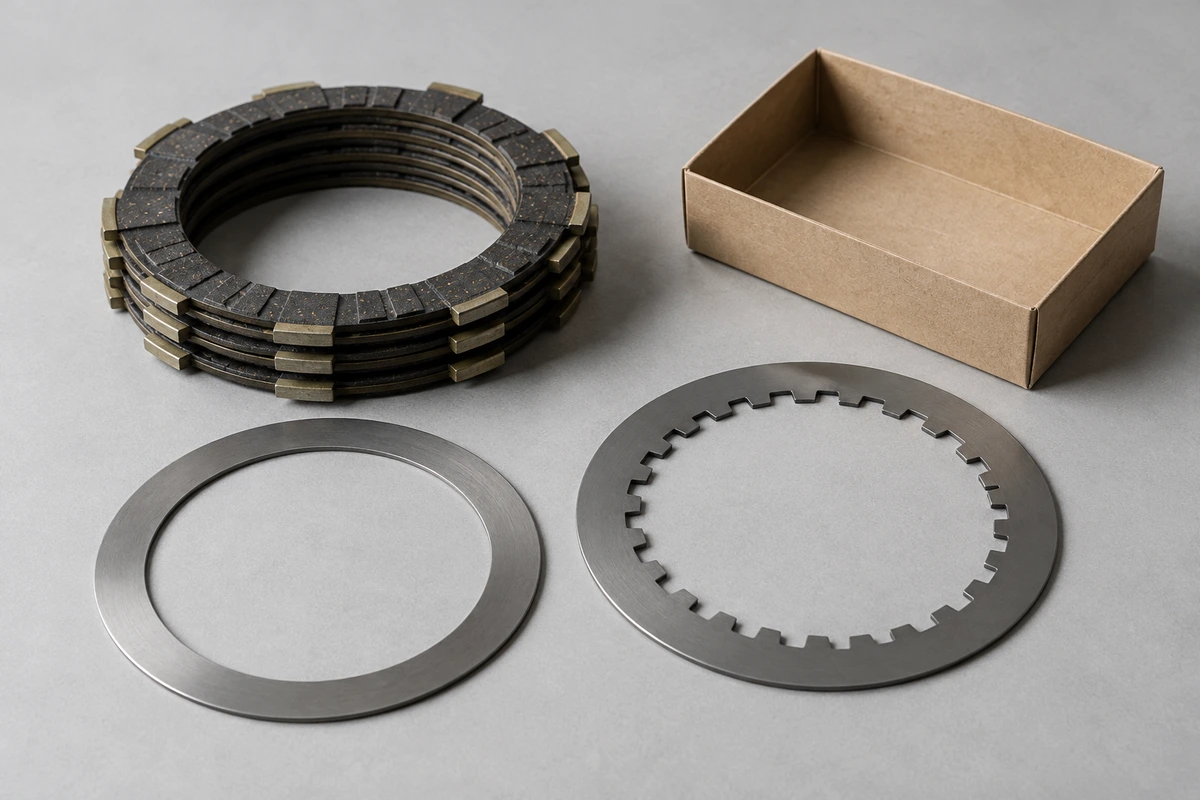
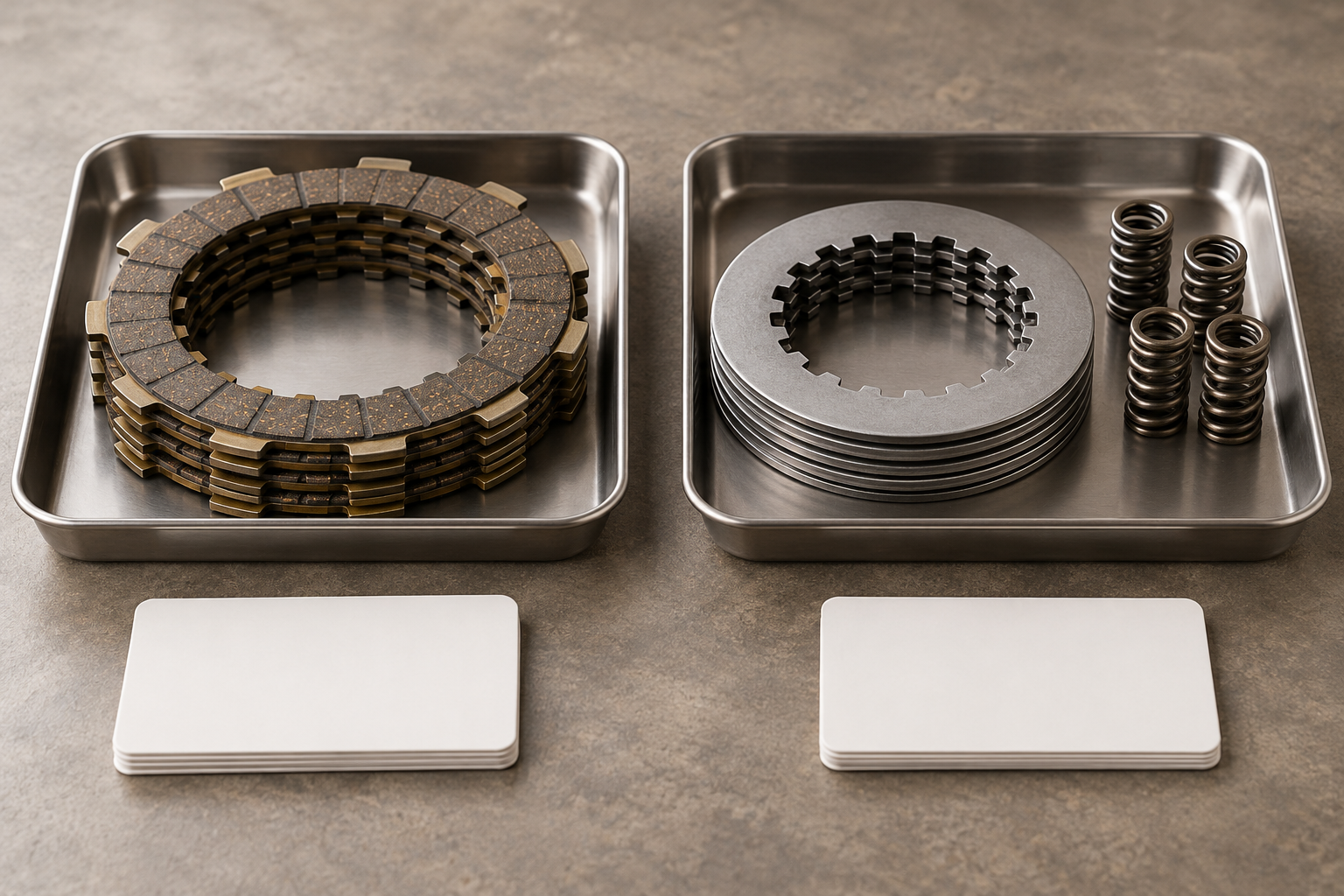
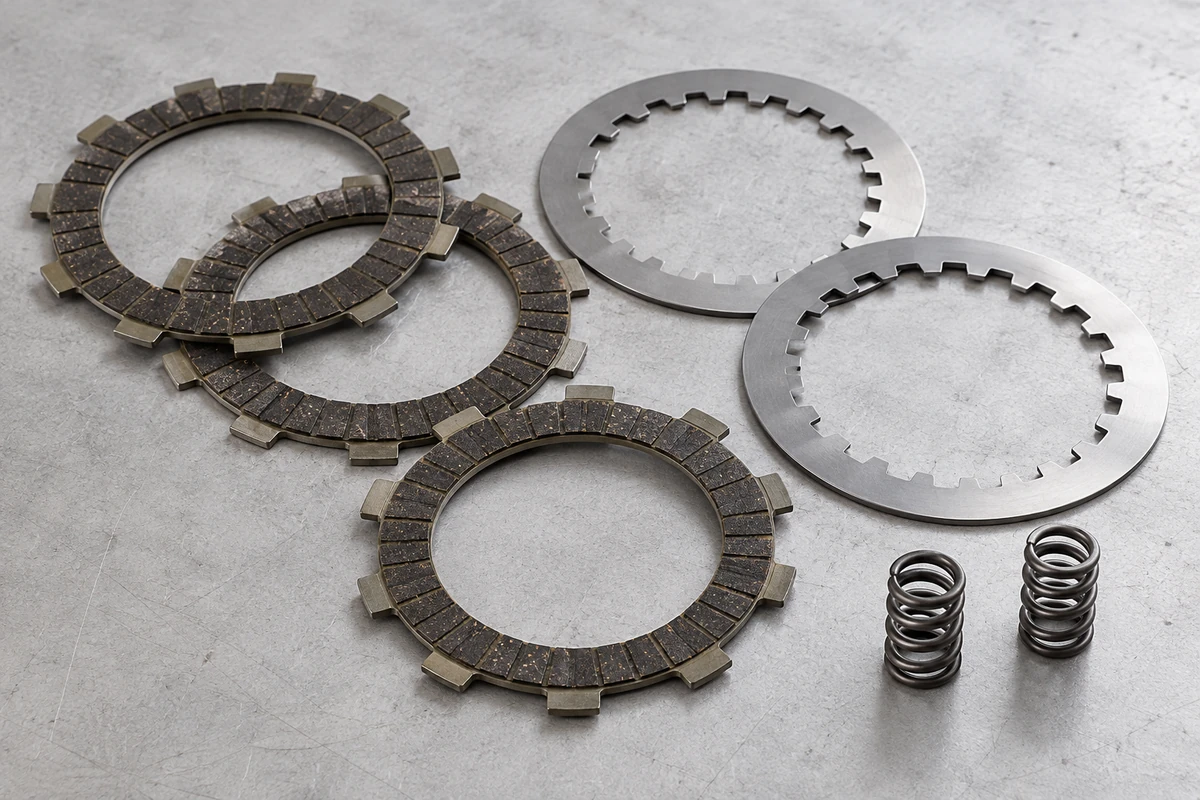
Read article: Clutch Handover: Account for Judder Hardware Disposition → Separate approved friction-set work from broader clutch rebuilds, applying intact stock sets before comparing the purchase mix.
Read article: Clutch Reorders: Keep Friction-Set and Full-Rebuild Demand Separate → Review a proposal to pool clutch plates by type against the original supplied sets. Keep set membership distinct from piece count and condition.
Read article: Clutch Kit Packout: Do Not Pool Approved Plate Sets → Identify which record addresses the retained damper assembly when a sleeve event is used to support a broader clutch-basket closeout.
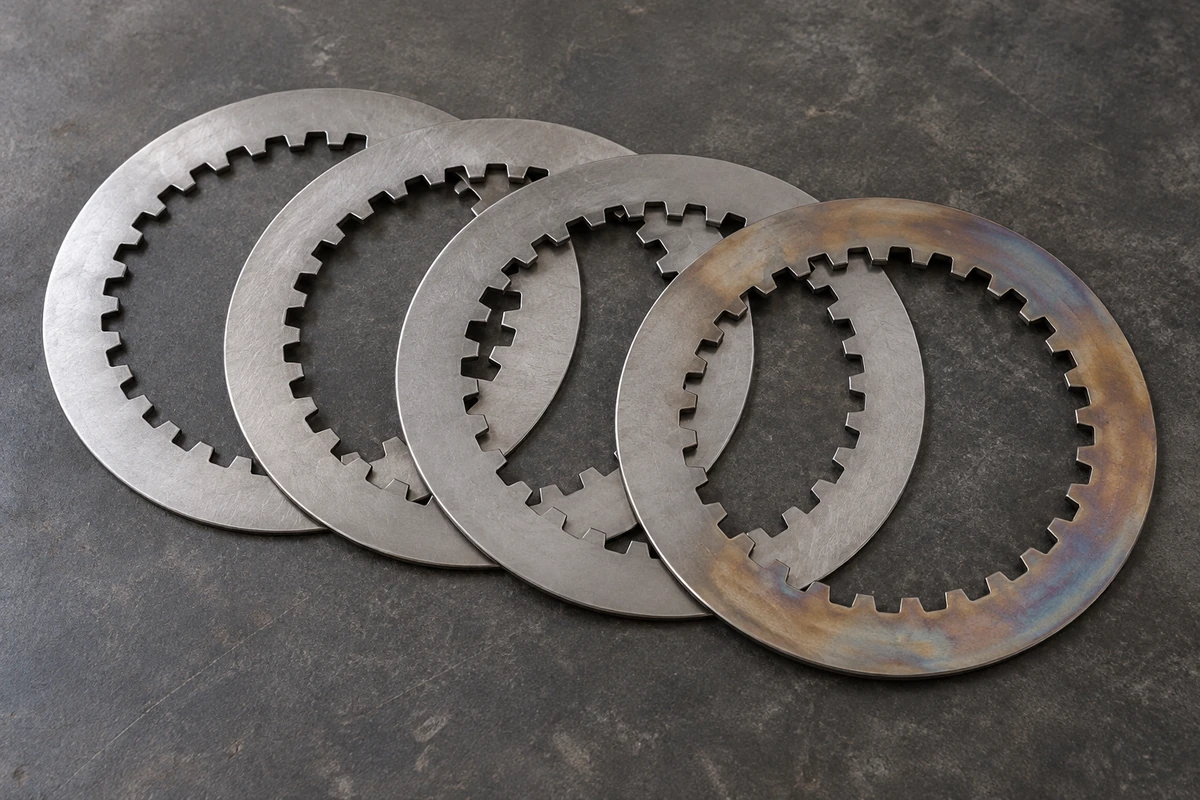
Read article: TorqDrive RMS-2813031 Handover: Sleeves and Damper Evidence → Keep documented plate-thickness discrepancies and heat-mark observations on separate receipt records against the approved plate schedule.
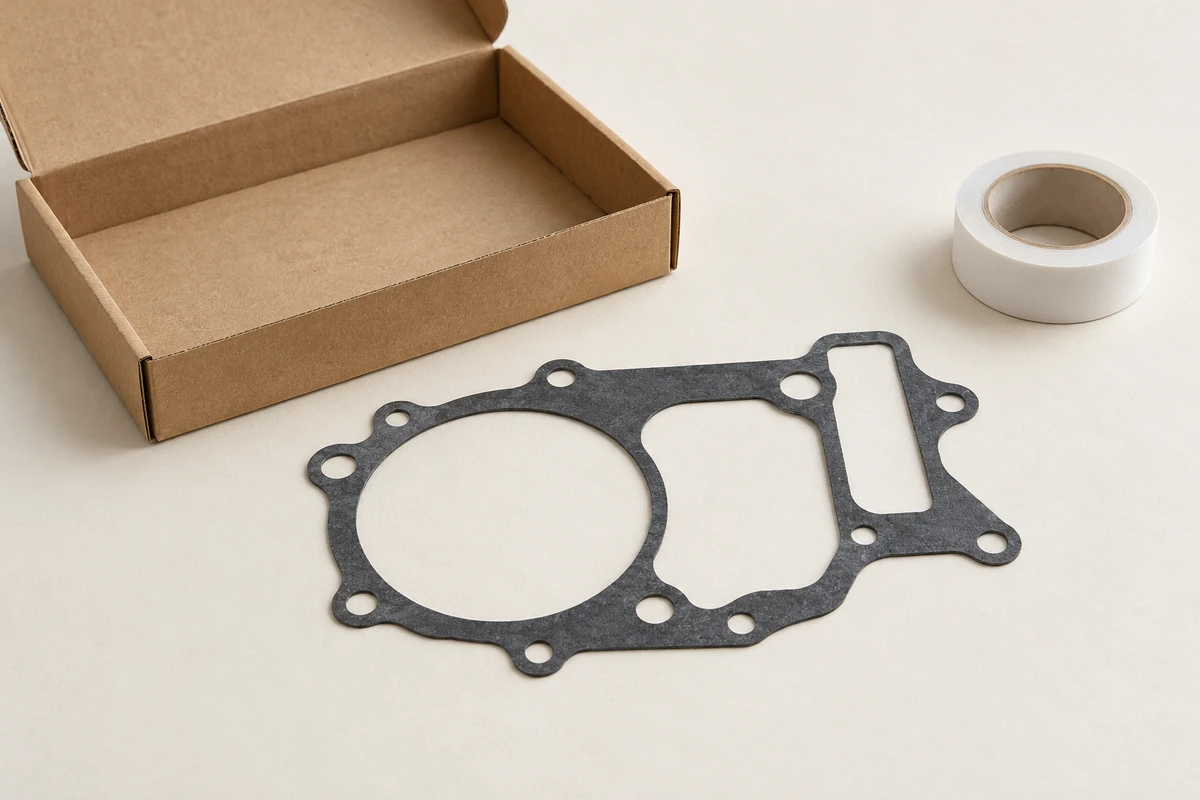
Read article: Clutch Steel Plate Receipt: Separate Size and Heat Concerns → Identify whether a display-card attachment would touch the gasket coating before approving the retail layout. Keep material claims product-specific.
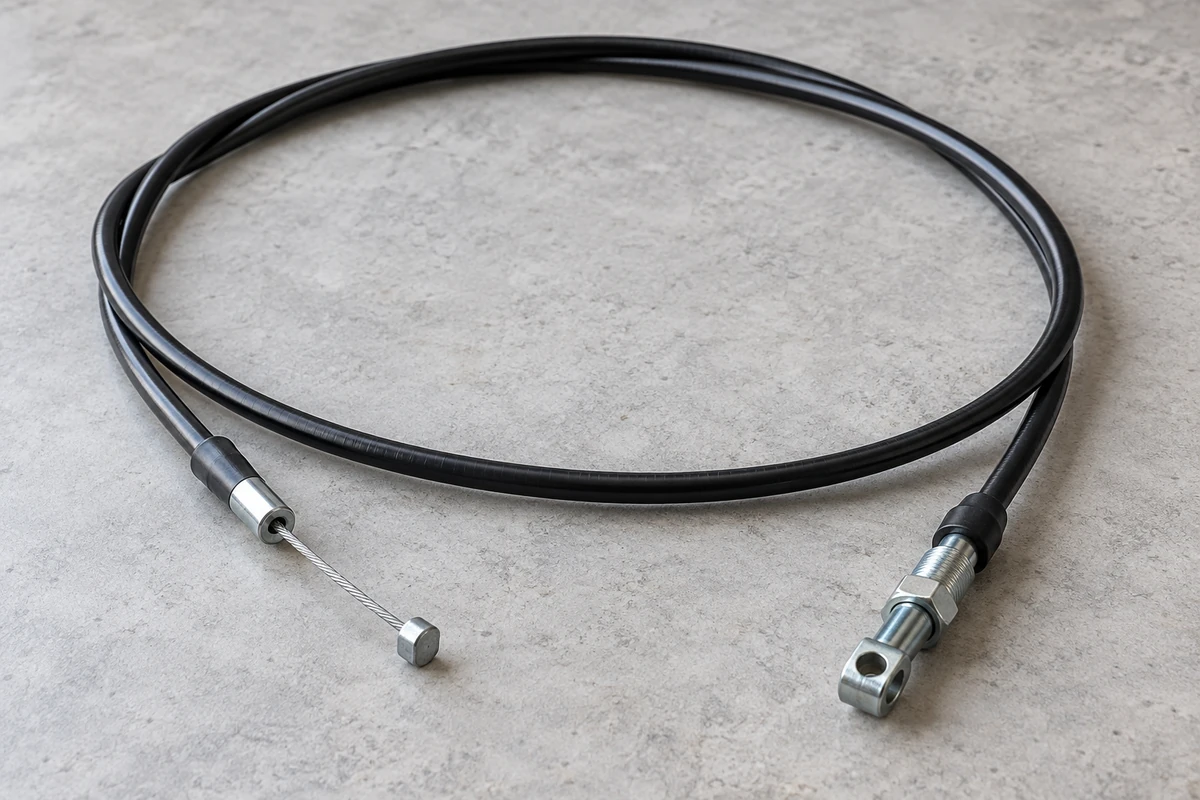
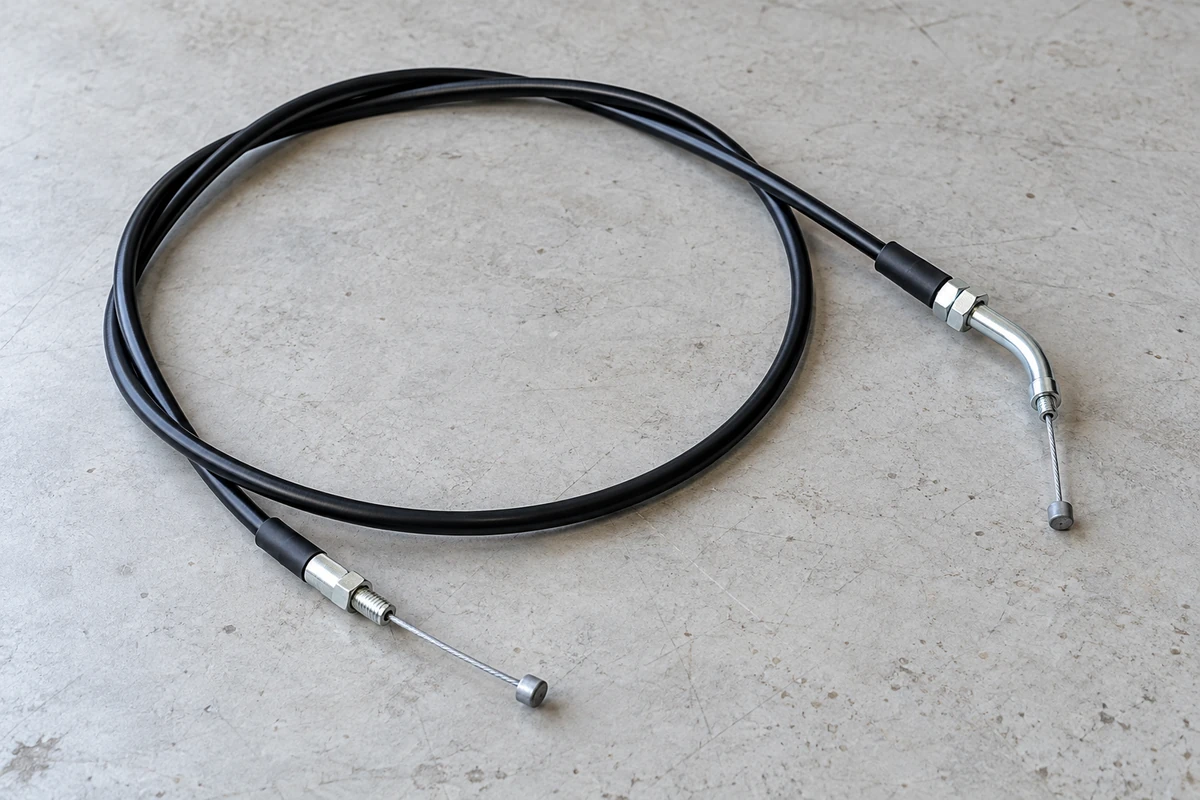
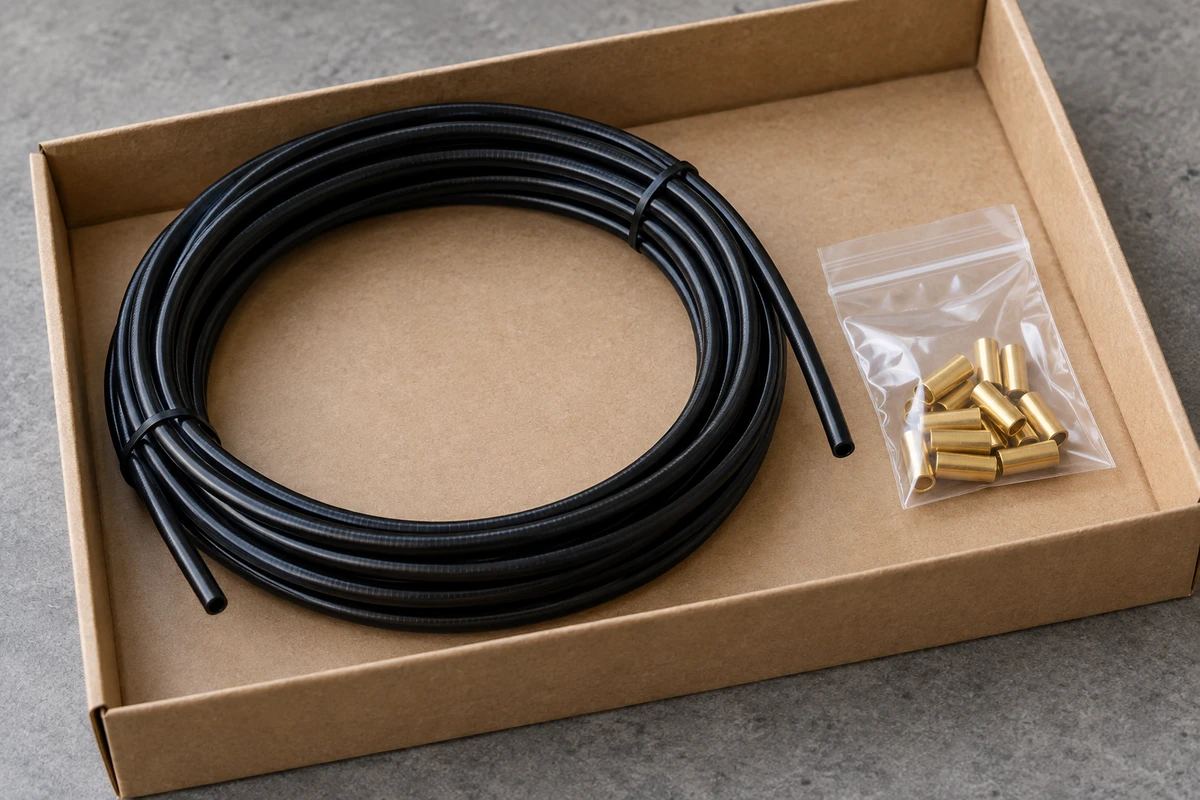
Read article: Coated Gasket Packing: Review Display-Card Adhesive Contact → Record cable housing and end-fitting concerns independently of the supplied lubrication state so the supplier answers the actual receipt issue.
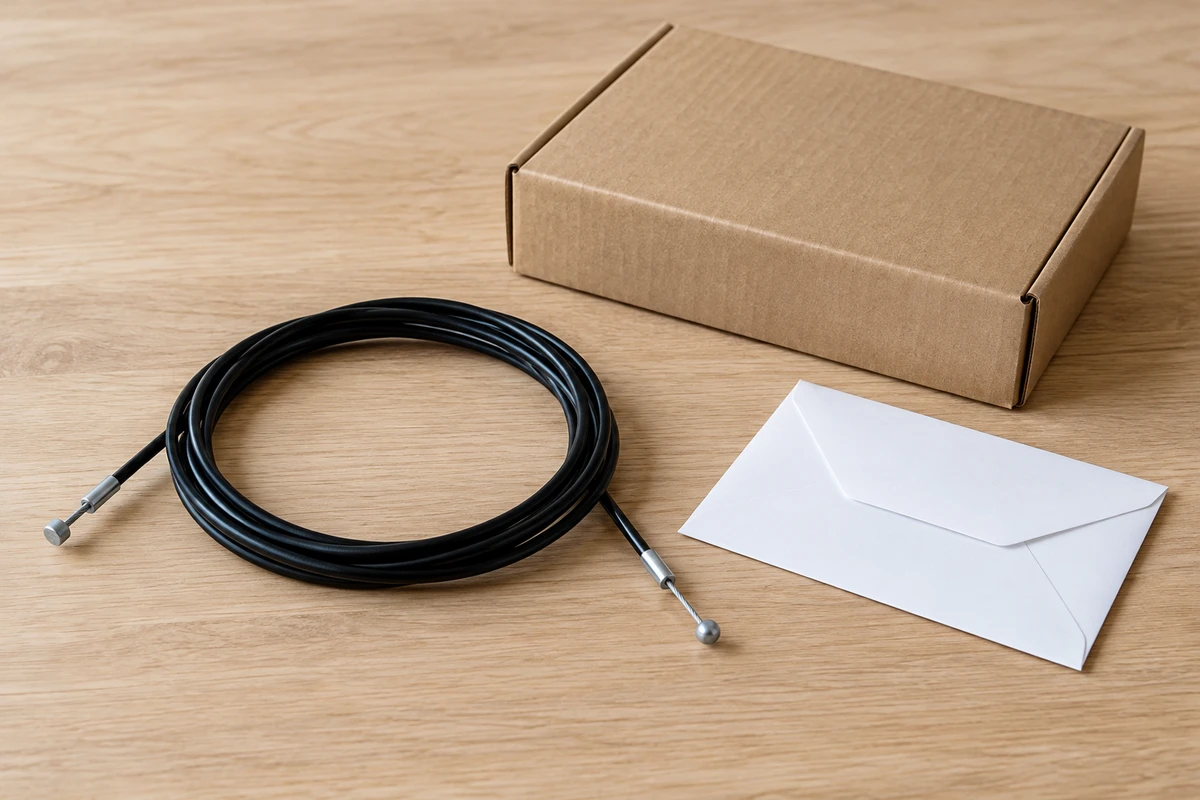
Read article: Control Cable Receipt: Separate Dry Supply and Damage → Before sending the original cable or committing to two-way postage, ask the workshop to confirm it accepts your order scale and needs the sample.
Read article: Custom Cable Samples: Confirm Intake Before Paying Postage → Give a custom throttle-cable supplier separate released housing and free-length datums, end-fitting details and adjuster references.
Read article: Custom Throttle Cable RFQ: Separate Housing and Free Length → Separate a cosmetic kit-pouch redesign from a proposed transfer of supplied grease. Preserve container provenance while the qualified provider reviews any change.
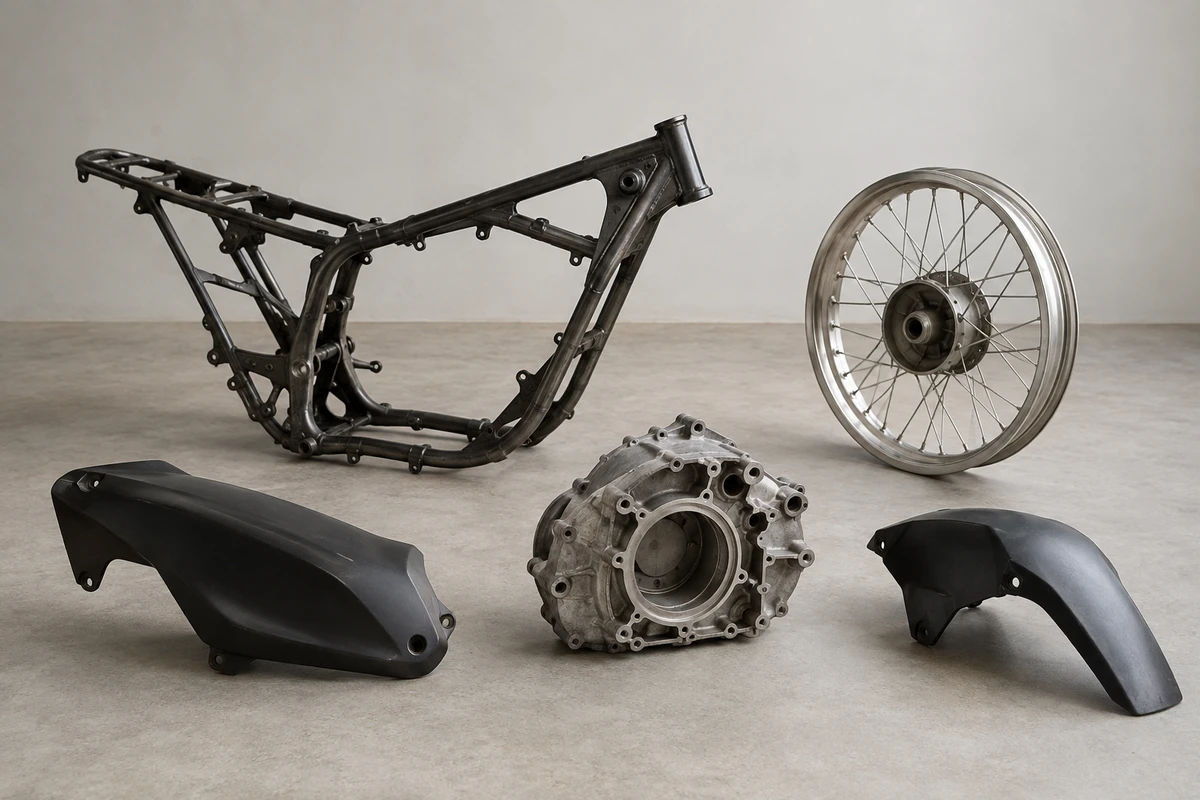
Read article: CV Boot Kit Packing: Keep Supplied Grease in Its Container → List the contents of the whole motorcycle bundle and obtain a US import-scope assessment before booking it under a generic parts description.
Read article: Disassembled Motorcycle Bundles: Review the Whole Import Scope → Check that a repacked two-carburetor kit still accounts for both approved repair groups, including any provider-defined shared contents.
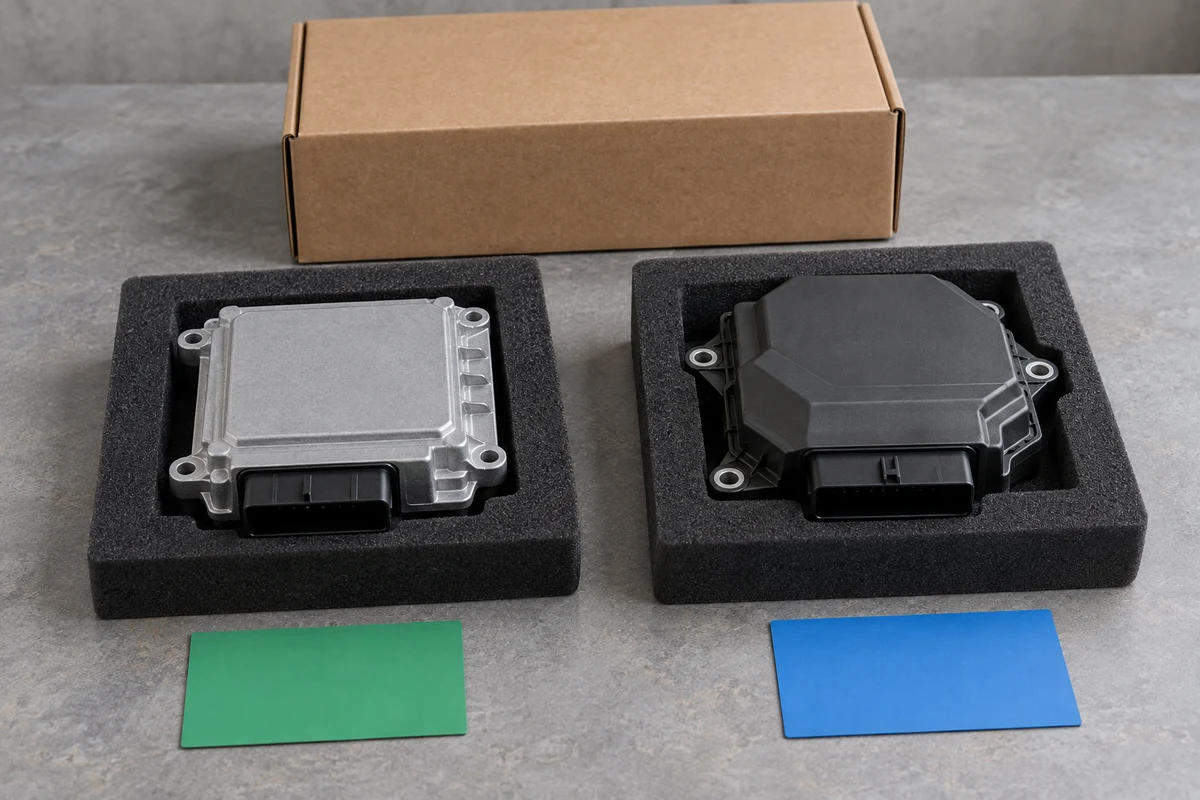
Read article: Two-Carburetor Kits: Preserve Both Repair Groups → Identify who supplies the replacement controller and the return obligation for each unit before pricing a lawful owner-authorized ECU service.
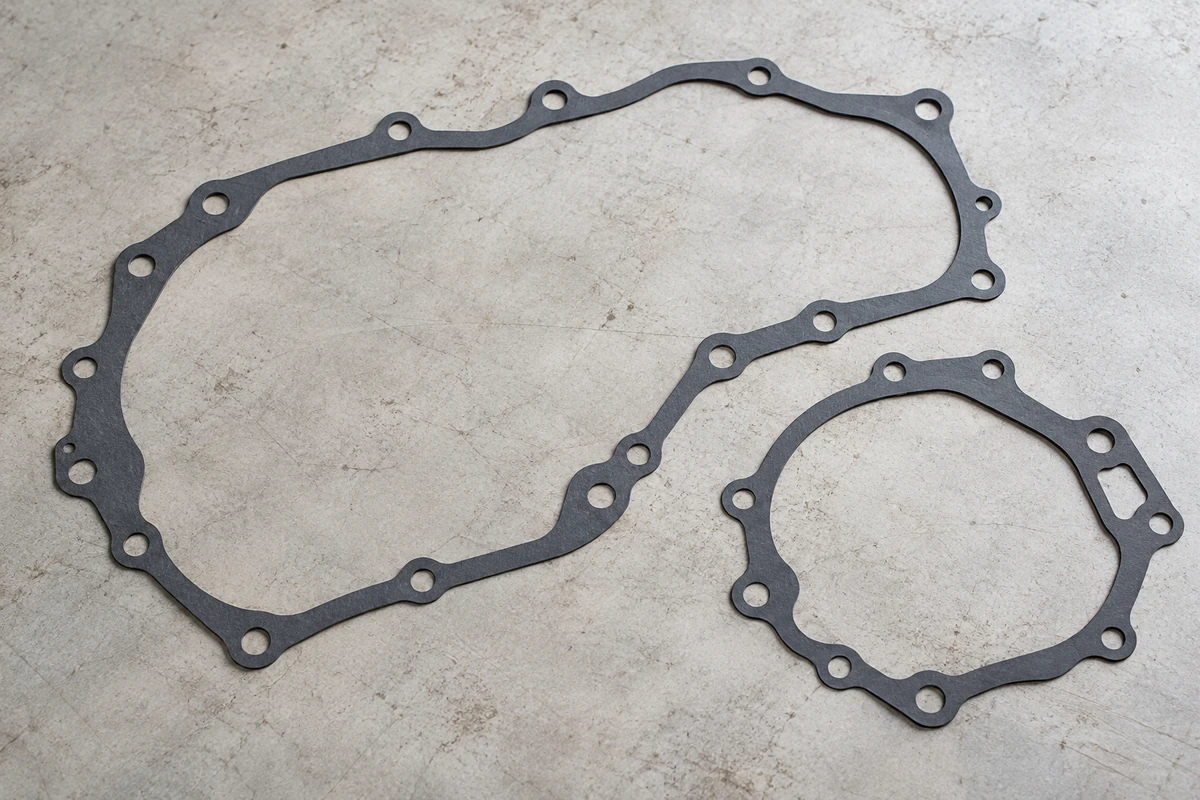
Read article: Motorcycle ECU Service Freight: Original and Replacement Scope → Reconcile a gasket’s specified material and bonded surface layer before treating an unexplained patch as contamination or scraping it away.
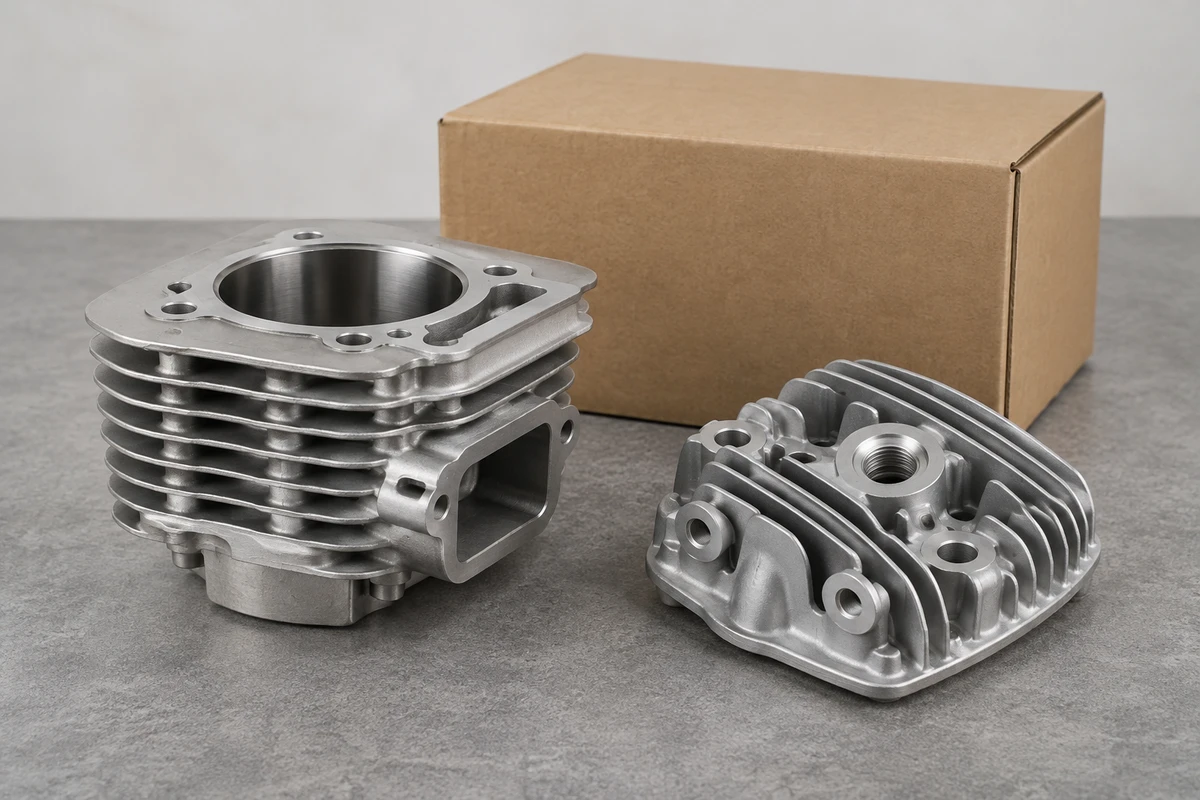
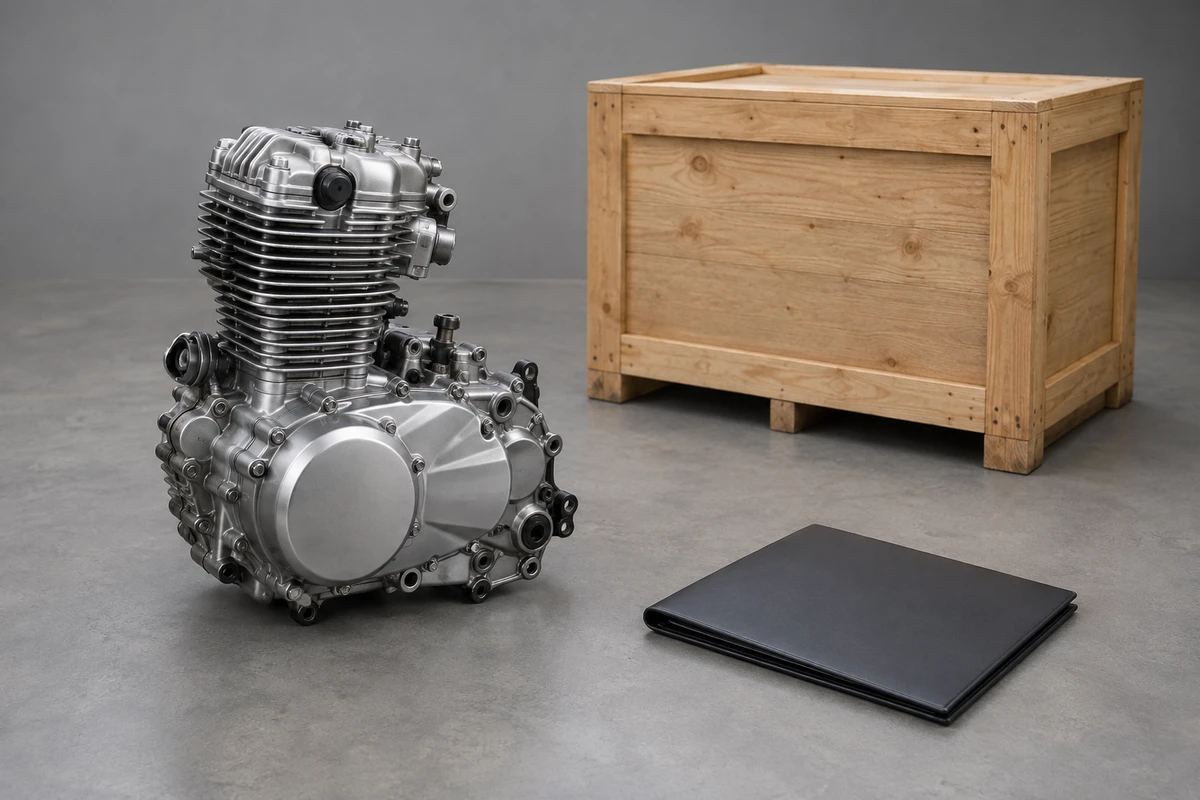
Read article: Engine Case Gasket Receipt: Preserve Coating Evidence → An engine-work quote may cover components instead of the whole engine. Confirm the agreed intake and return scope before purchasing freight.
Read article: Engine Service Freight: Match the Shipment to the Accepted Components → Connect the exact engine and application evidence to the importer’s US declaration review before treating a freight estimate as ready to book.
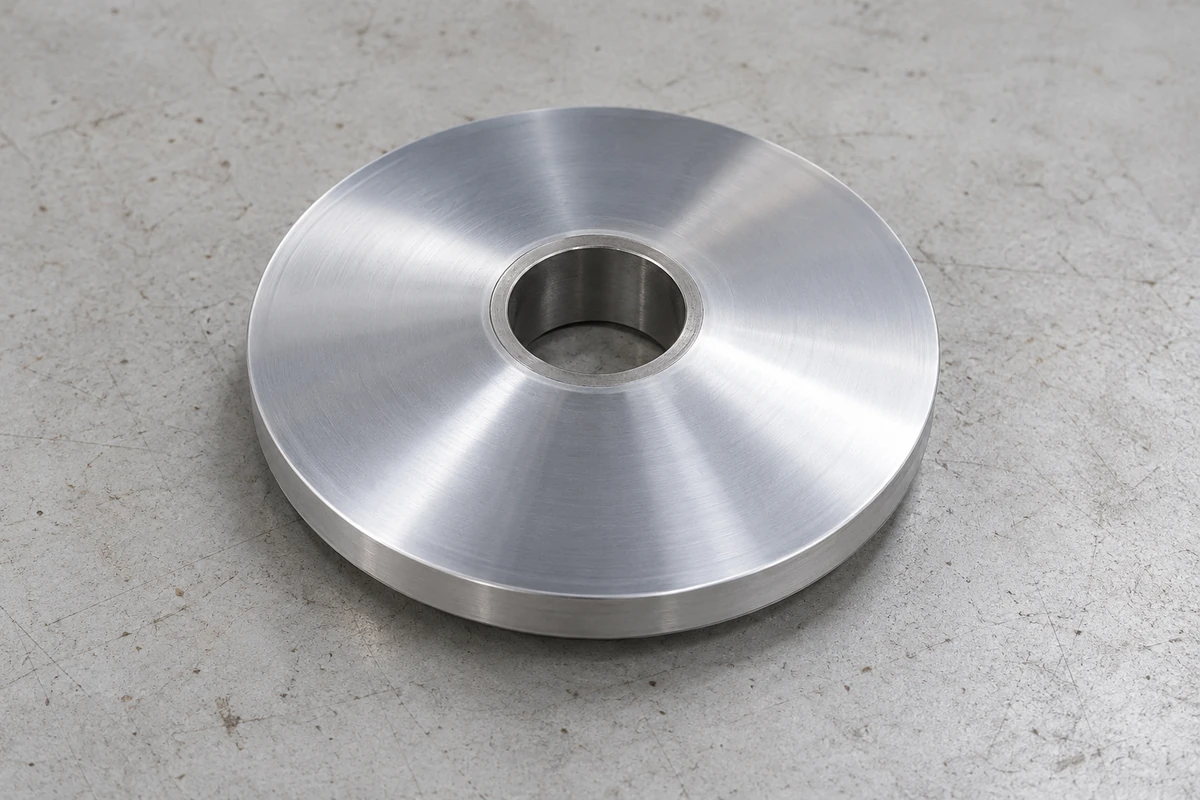
Read article: Motorcycle Engine Freight: Resolve the US Declaration Scope → Keep fixed half-pulley profile fields tied to the released assembly drawing and leave unavailable angle conventions and interface details unresolved.
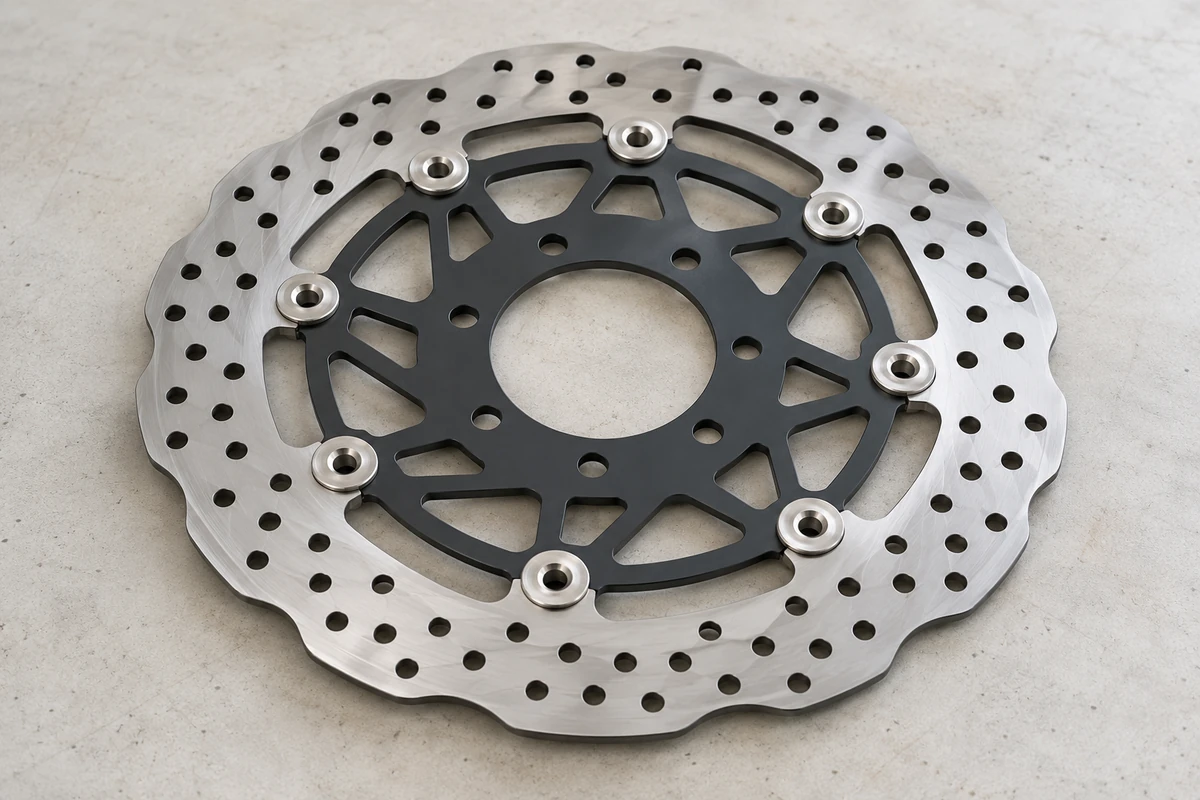
Read article: Fixed CVT Pulley RFQ: Preserve the Released Face Profile → Keep a delivered rotor’s reported joint movement tied to its exact design instead of accepting a generic floating-disc explanation.
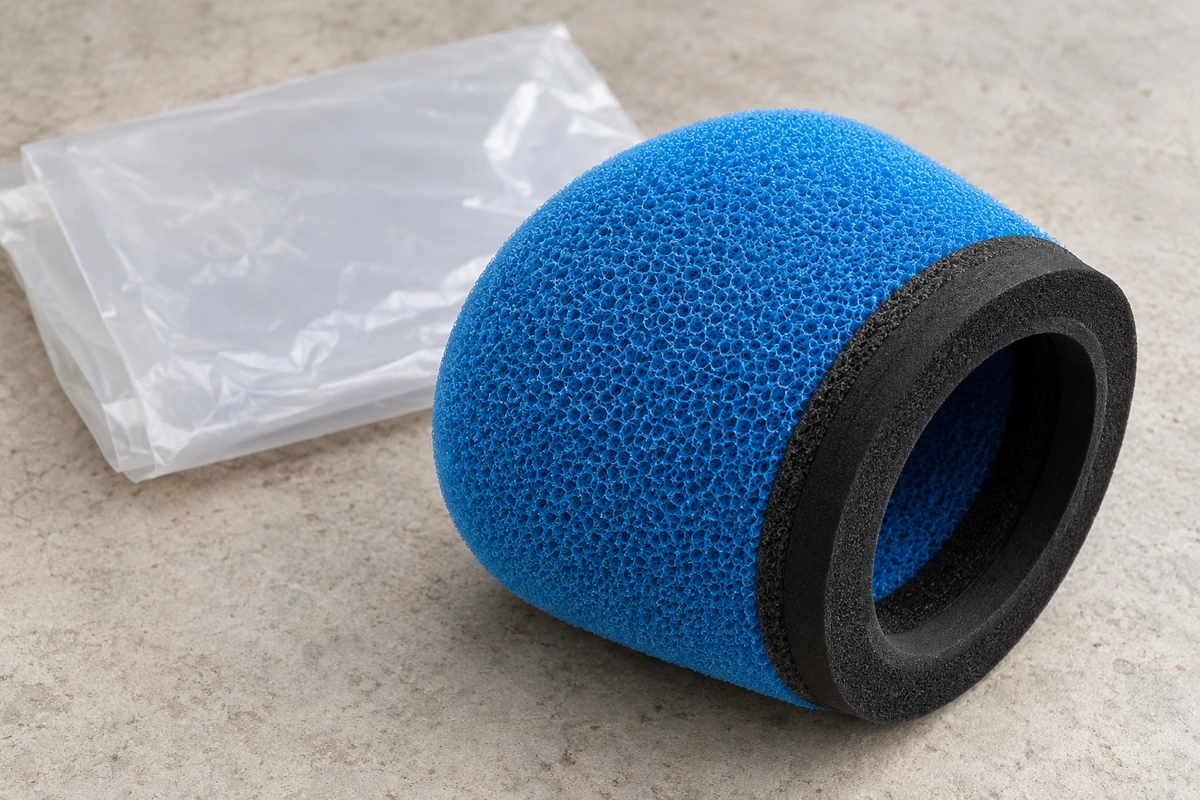
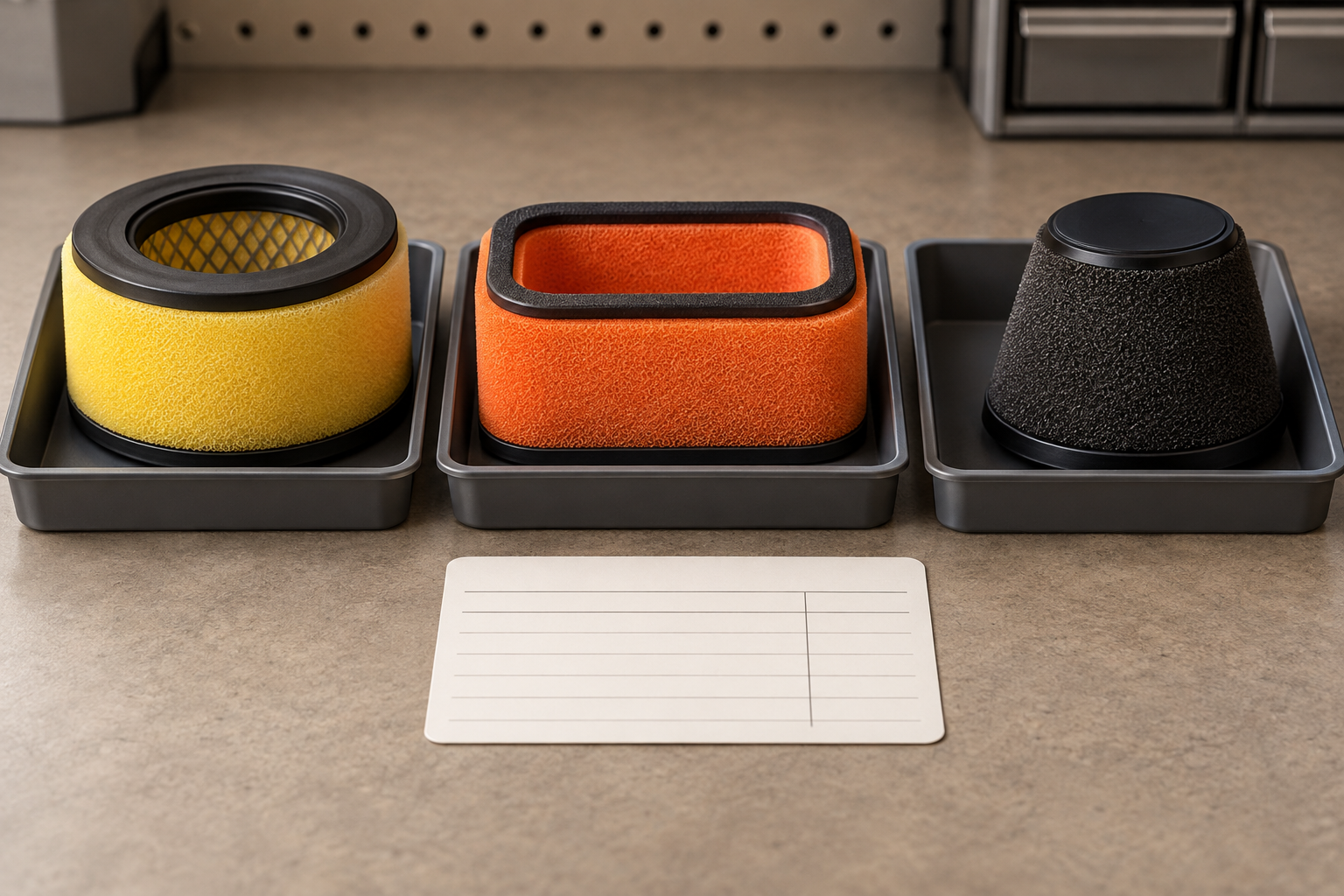
Read article: Floating Rotor Receipt: Request a Design-Specific Answer → Resolve dry-versus-pre-oiled foam filter deliveries using the order, bag identity and treatment record without washing or adding oil.
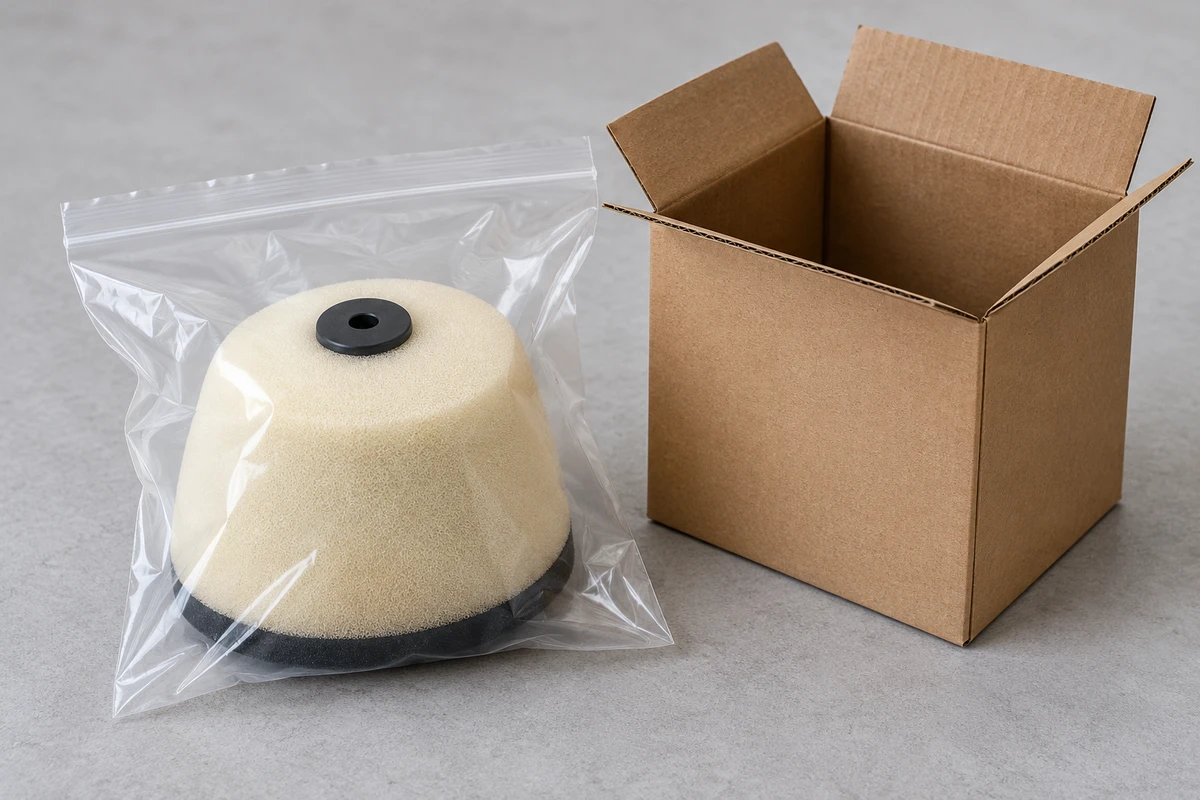
Read article: Foam Filter Receipt: Verify the Pre-Oiled Supply State → Keep a supplied foam-filter bag in the retail redesign brief. Separate changes to the display from changes to what the buyer receives.
Read article: Foam Filter Packaging: Keep the Resealable Inner Bag → Separate foam filters in care from released filters, then decide whether the next service event needs extra rotation capacity.
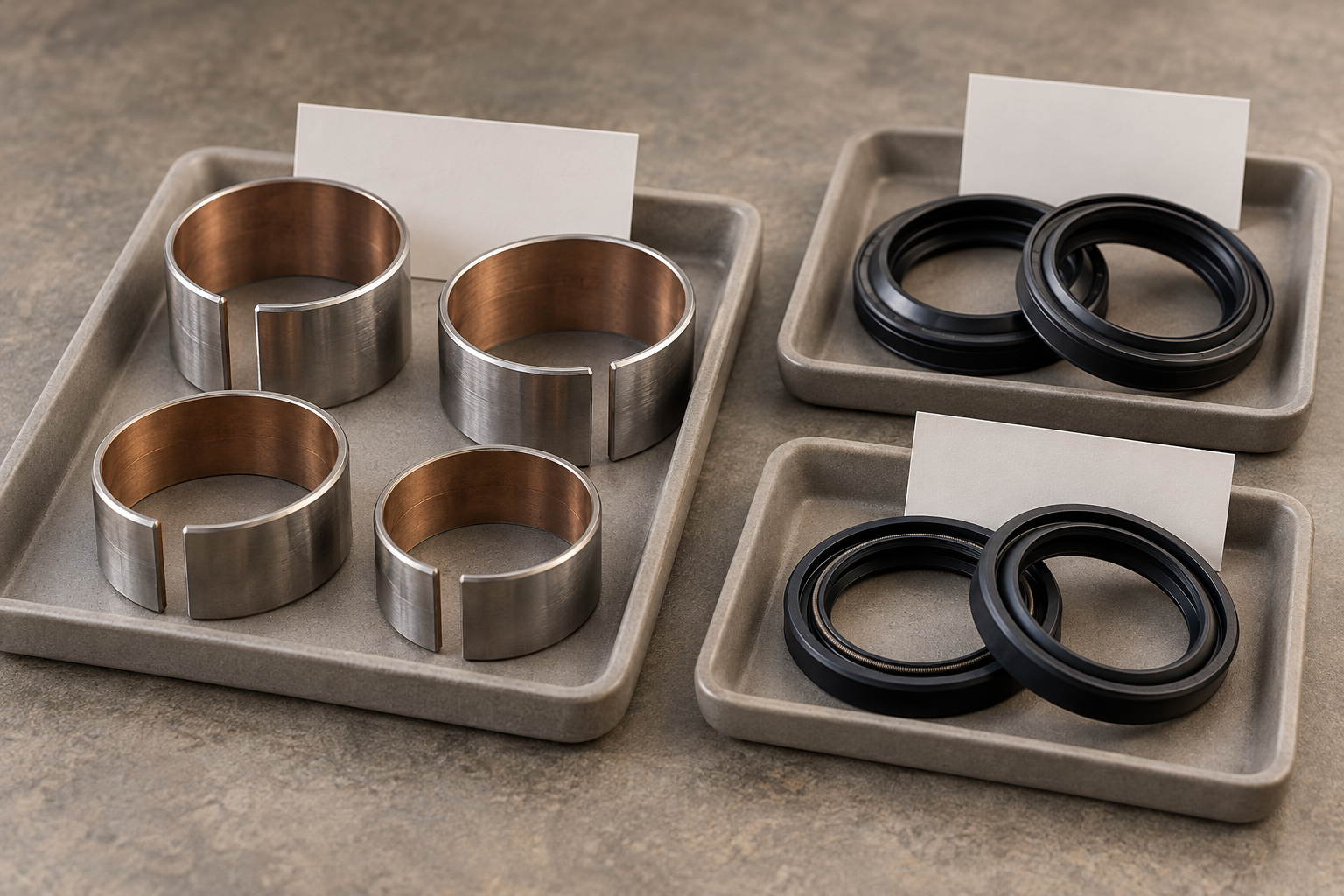
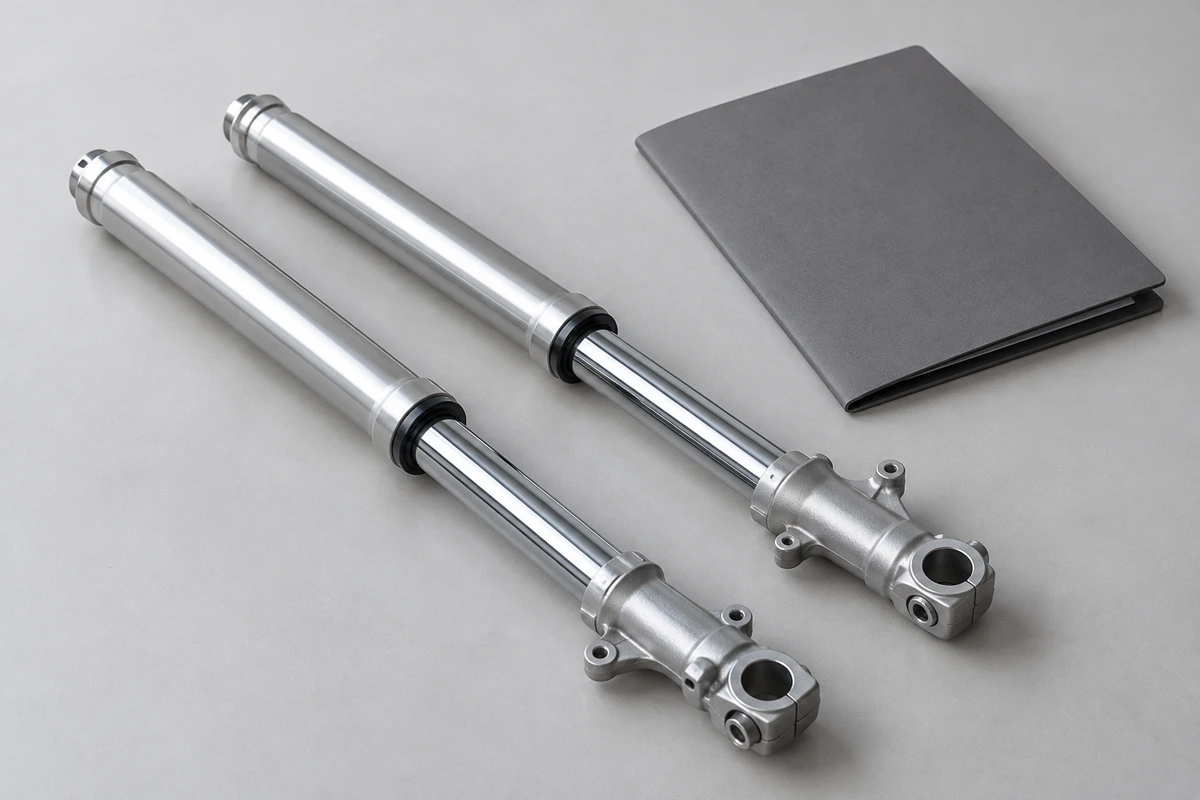
Read article: Foam Filter Stock: Count Service Returns Before Ordering More → Reconcile fork-service history into separately approved bushing and sealing demand instead of repeating every historical fork-kit count.
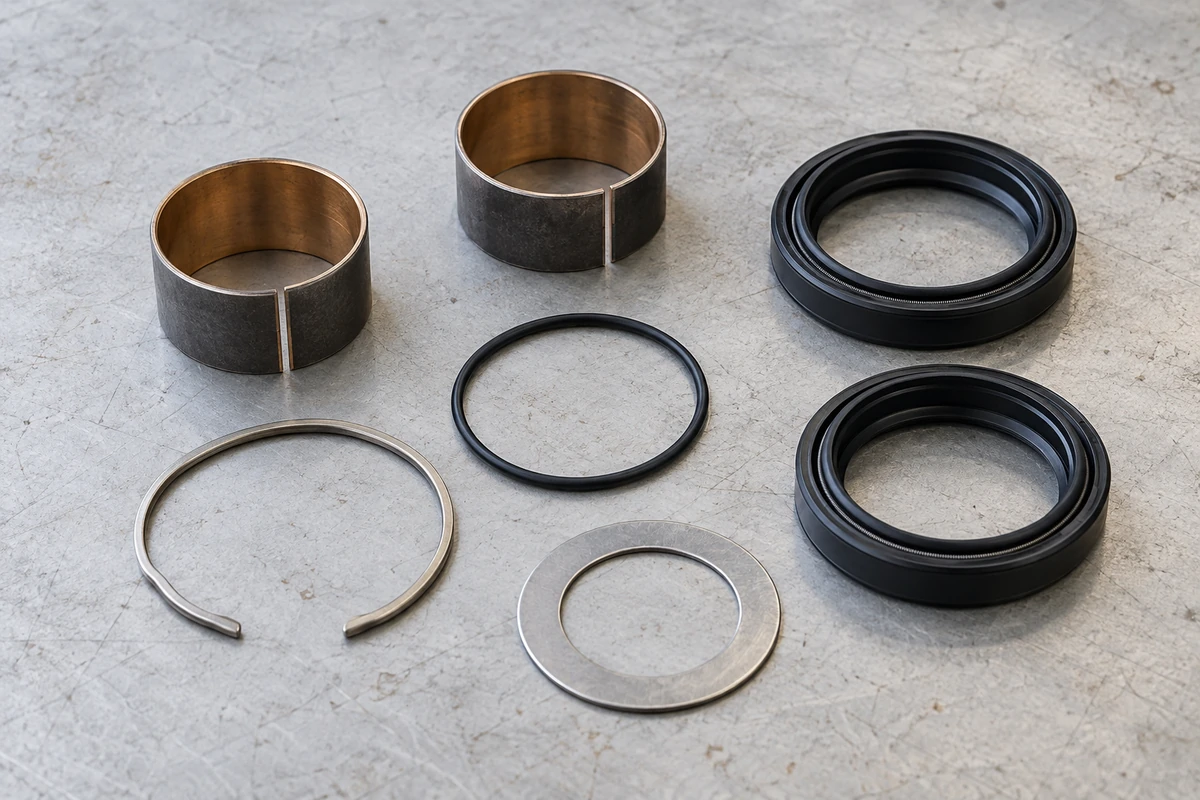
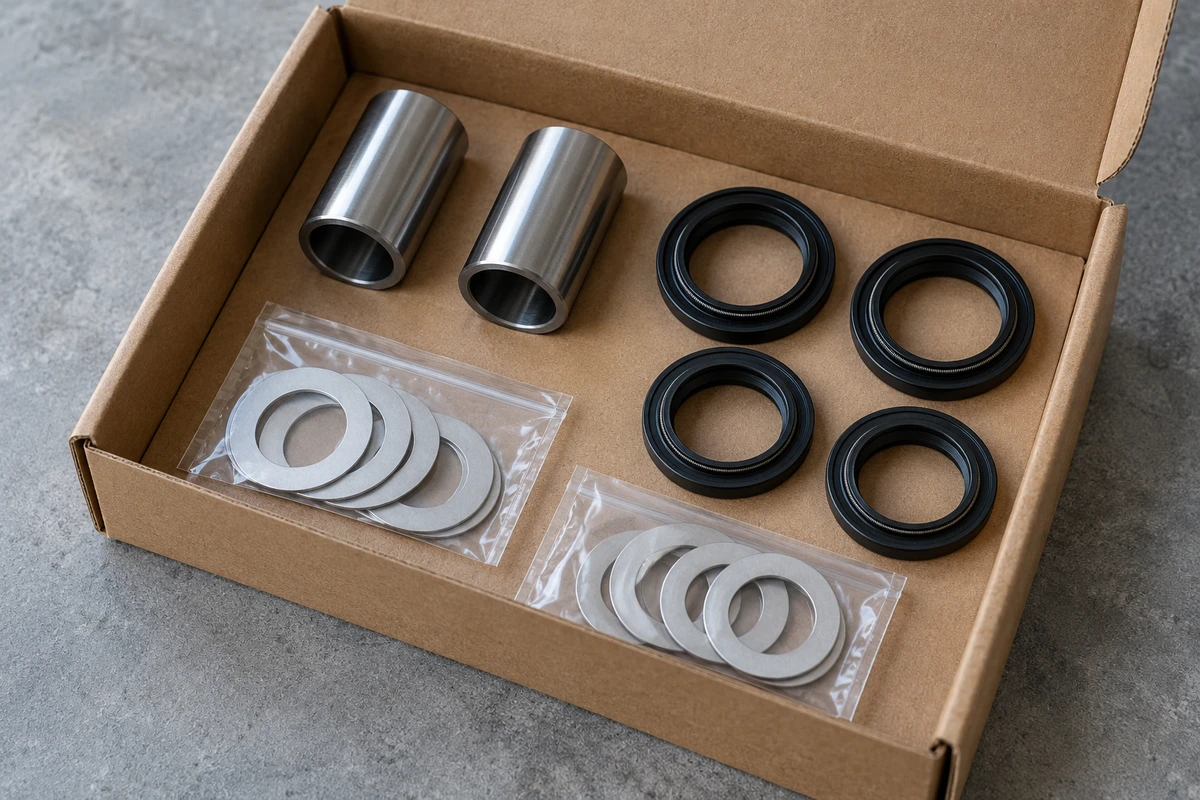
Read article: Fork Reorders: Separate Bushing Demand from Seal-Service Counts → Map the approved fork-service positions to exact kit contents, keeping bushings, oil seals, dust seals and ancillary items separate.
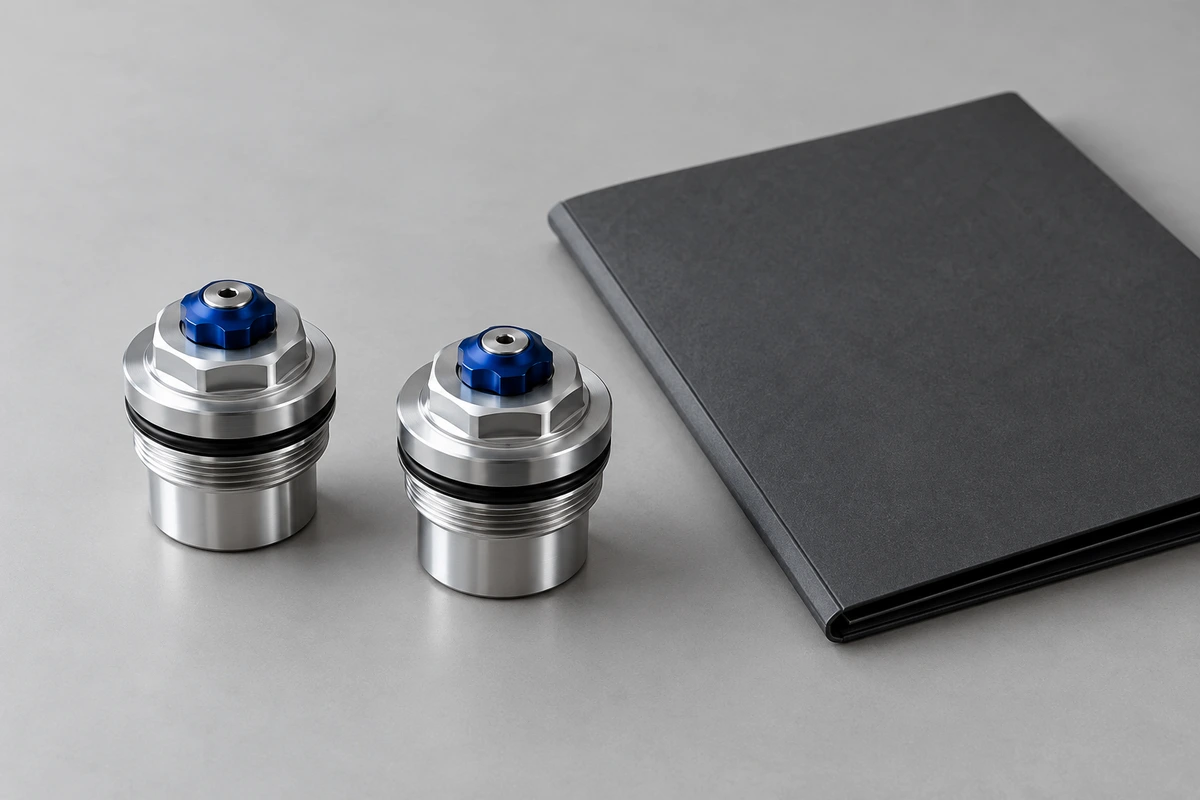
Read article: Fork Service Kit RFQ: Map Bushings and Seals to Their Jobs → Identify the control, indexing convention and provider-declared reference behind a returned fork-cap setting without converting it into adjustment advice.
Read article: Fork Cap Handover: Decode the Adjuster Index → Distinguish oil-height records, volume entries and method references for covered open-chamber forks without inventing a fill or conversion rule.
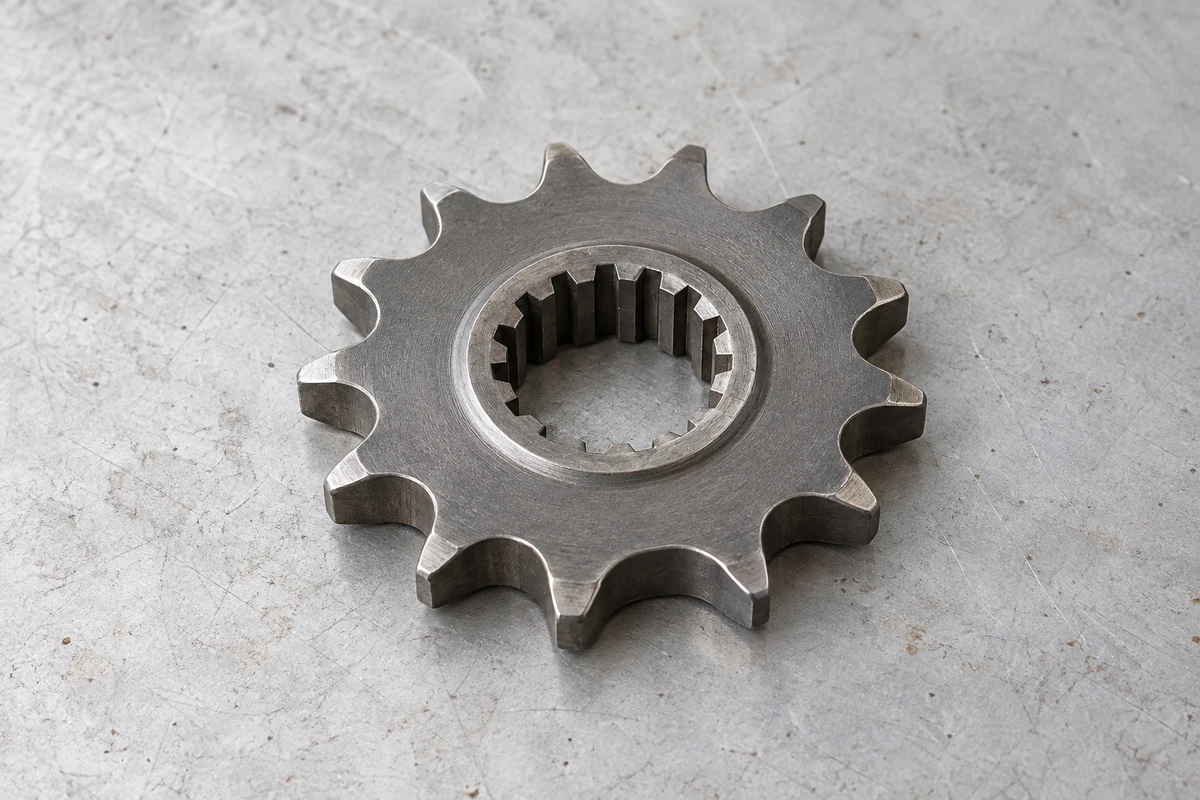
Read article: Fork Oil Records: Keep Height With Its Method → Preserve the full front-sprocket reference, tooth-specific application row and any chain-conversion qualification when comparing offers.
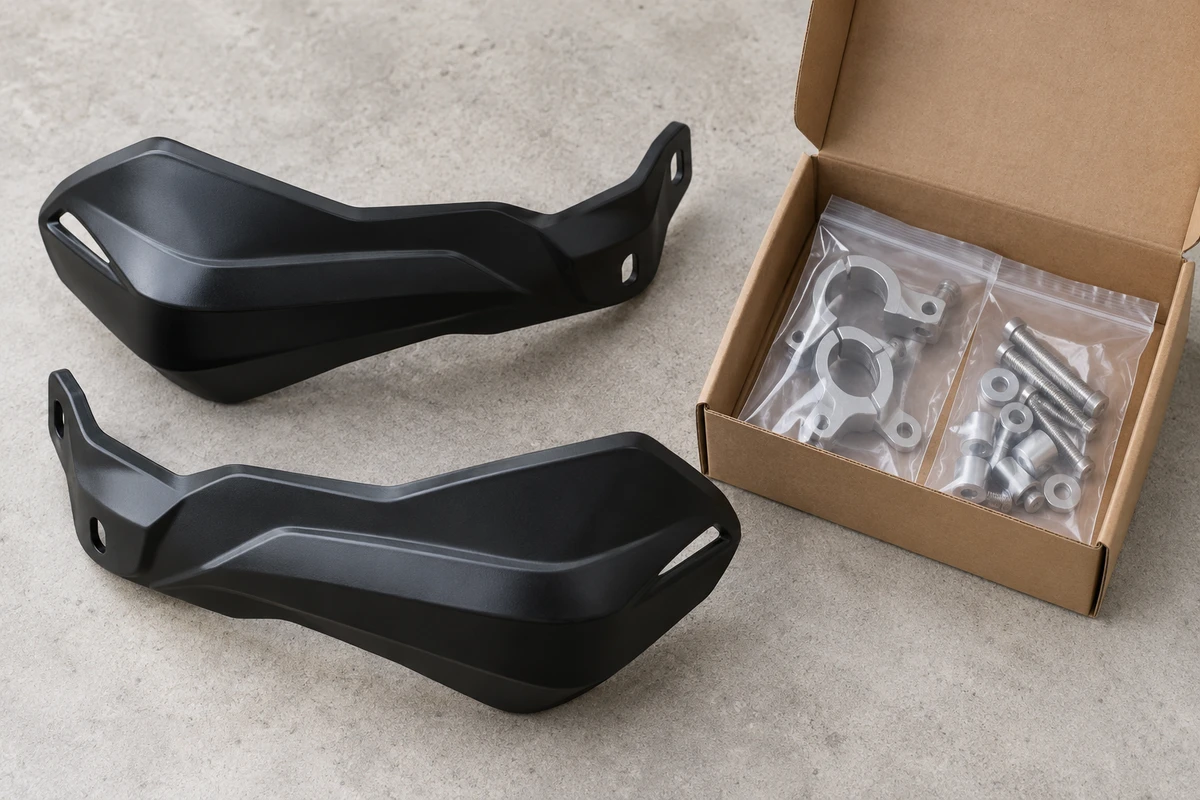
Read article: Front Sprocket RFQ: Keep Tooth Options and Conversion Notes → Check whether a combined handguard presentation contains the ordered hardware, guard shells or both. Compatibility wording alone cannot prove inclusion.
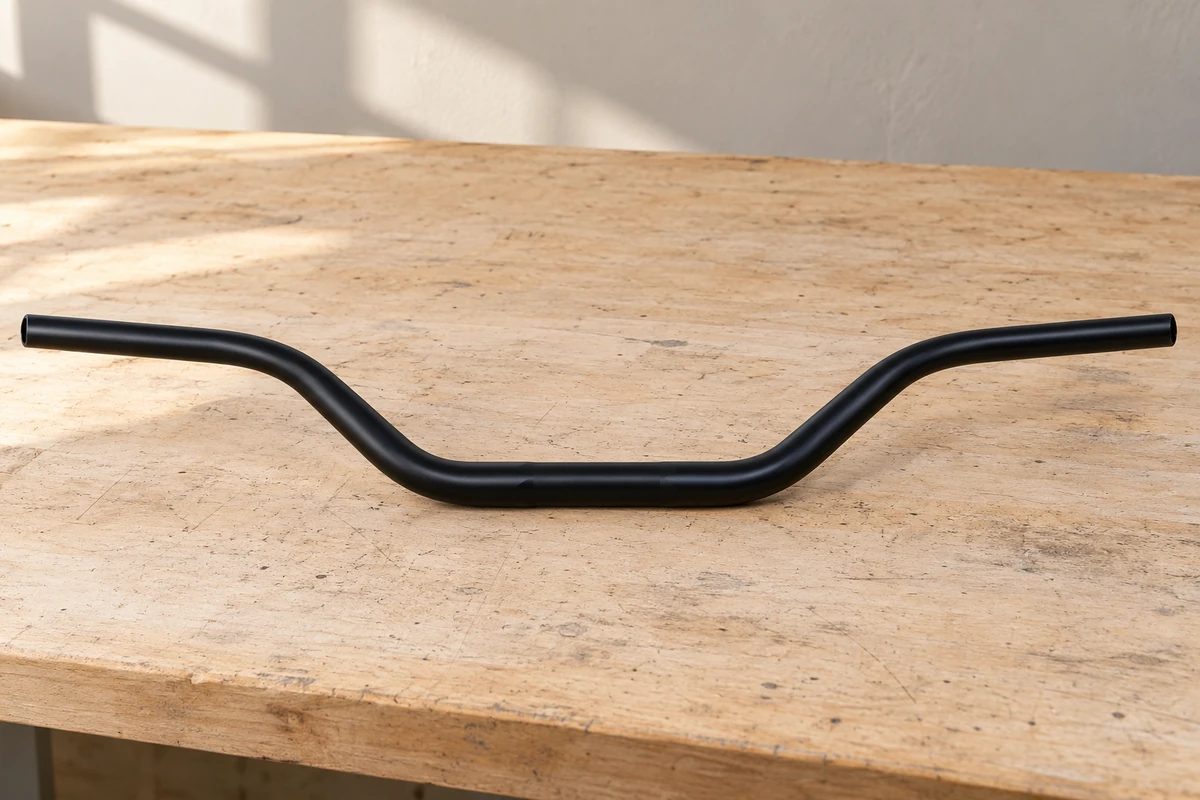
Read article: Handguard Packaging: Separate Hardware and Shell Scope → Keep an unexplained hole, mark or declared straightening history tied to the ordered handlebar state and applicable maker instructions.
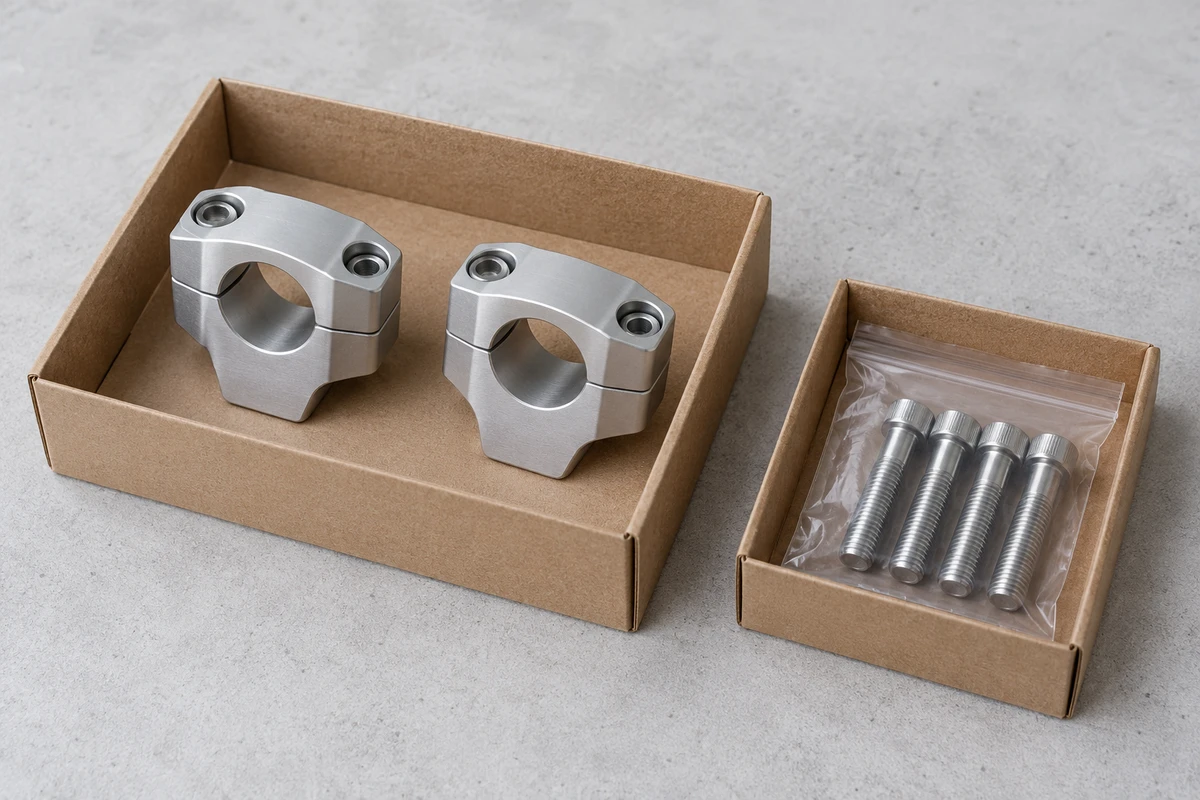
Read article: Handlebar Receipt: Document Unexplained Alterations → Keep complete mounting variants separate from partial clamp-kit supply when an order is split across dispatches. Carton counts cannot show kit completion.
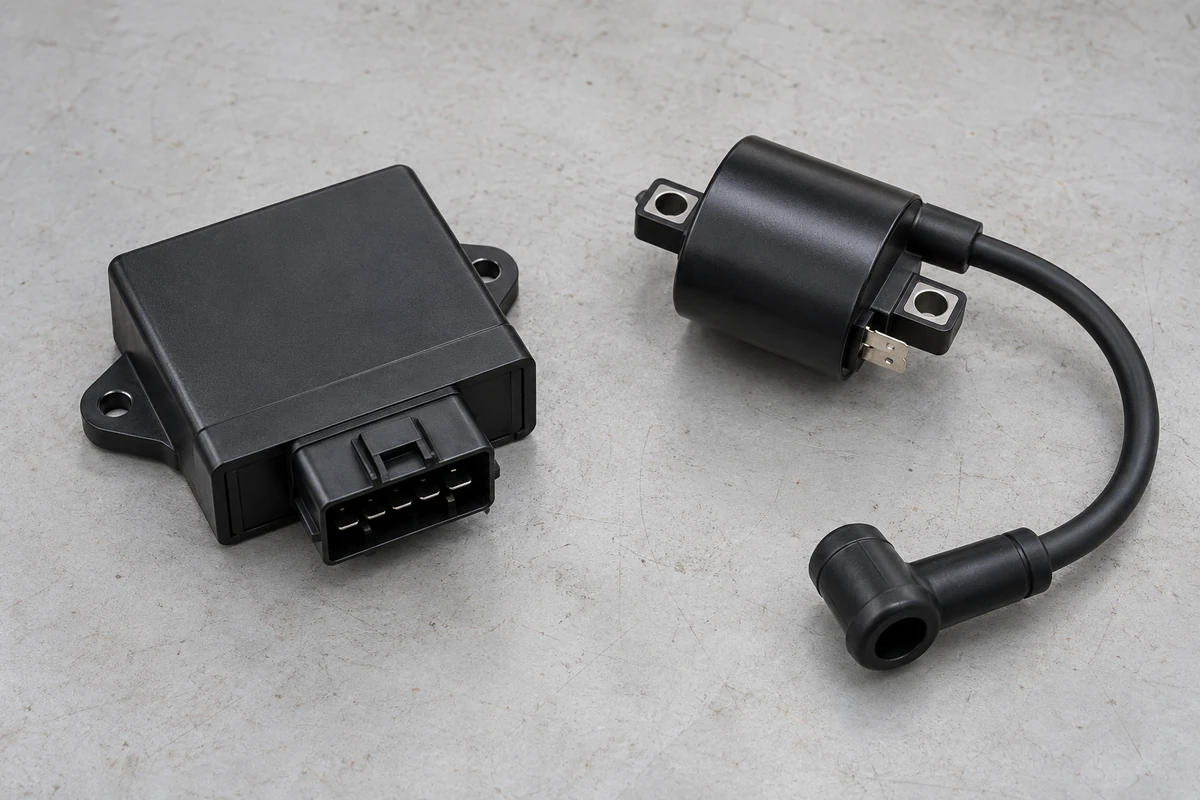
Read article: Handlebar Clamp Kits: Show Complete and Partial Dispatches → Keep TCI or CDI architecture, power source, coil relationship and required control functions attached to an ignition-module quotation.
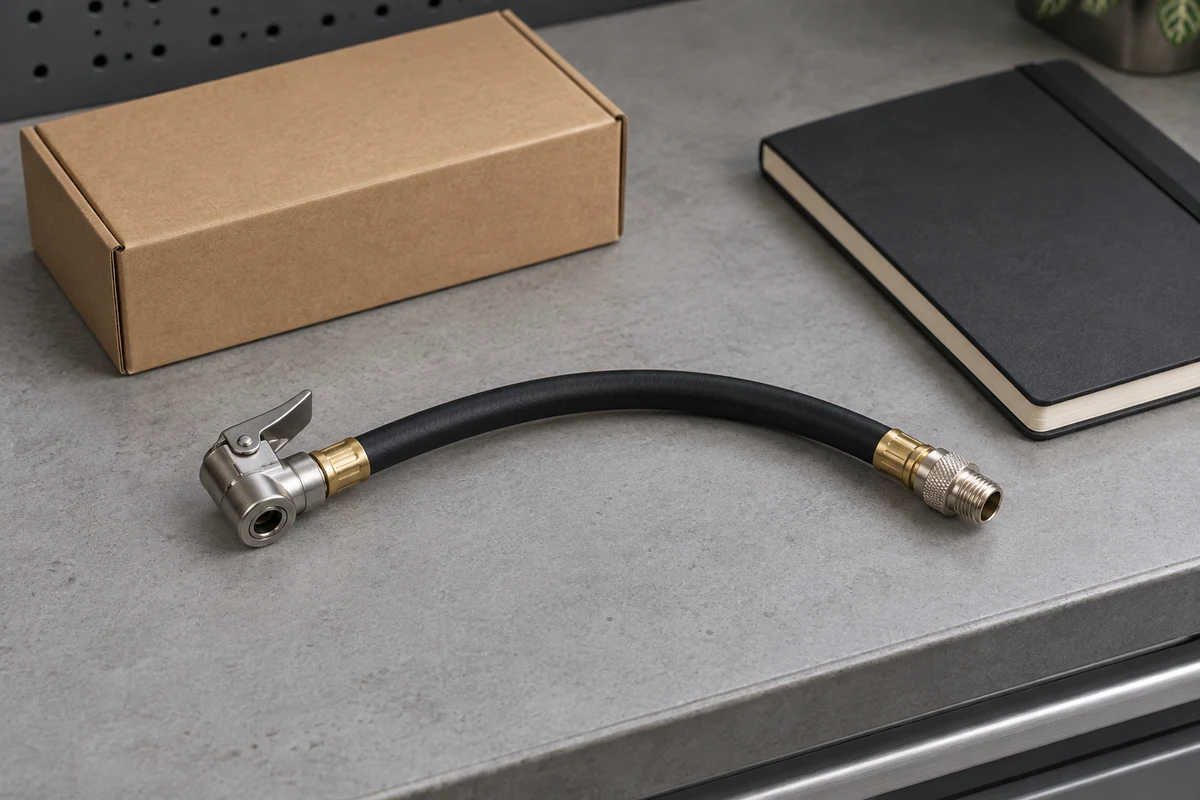
Read article: Ignition Module RFQ: Match the System Before Comparing Boxes → Separate tire-valve and cartridge interfaces, refill-only and kit scope, then preserve unverified pairing and destination supply before comparing freight.
Read article: Cartridge-Omitted Inflation Kits: Check the Refill Purchase → Use approved tube-and-valve coverage to allocate each physical inner tube once, without mistaking overlapping size rows for extra stock.
Read article: Inner Tube Reorders: Count Shared Coverage Only Once → A new-battery delivery plan does not establish a damaged lithium battery return route. Check condition, geography and the provider’s specific acceptance.
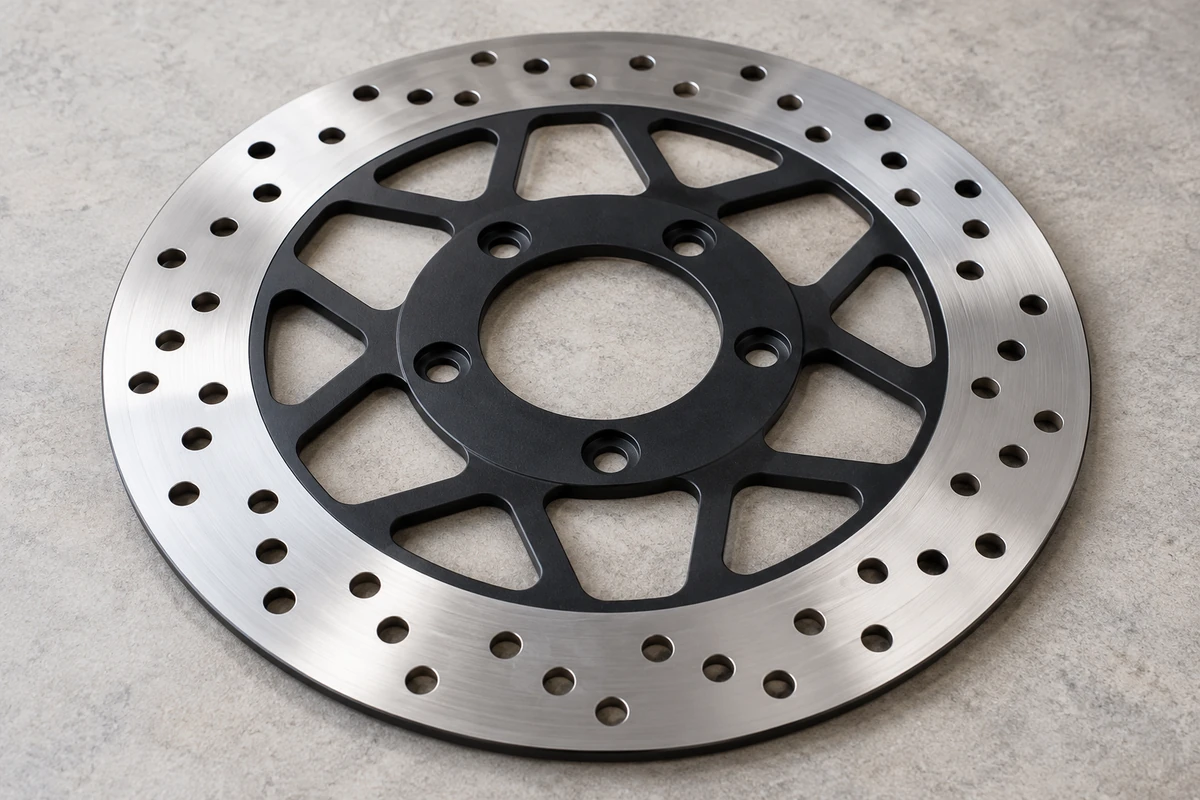
Read article: Damaged Powersports Batteries: Check the Actual Return Program → Check whether a supplier’s finish explanation applies to the rotor hub or braking ring before closing a delivered surface concern.
Read article: Motorcycle Rotor Receipt: Identify the Surface Zone → Check an agreed tire-age requirement alongside storage history, keeping date evidence separate from condition and specialist assessment.
Read article: Motorcycle Tire Receipt: Separate Age and Storage Evidence → Distinguish the supplied modified base from an expressly promised OEM-origin archive, with provider-supported provenance and delivery records.
Read article: PV3 Gen 2 Handover: Bundled Base or OEM Archive? → Separate documented carrier-based rear sprocket demand from one-piece applications before repeating a historical sprocket order.
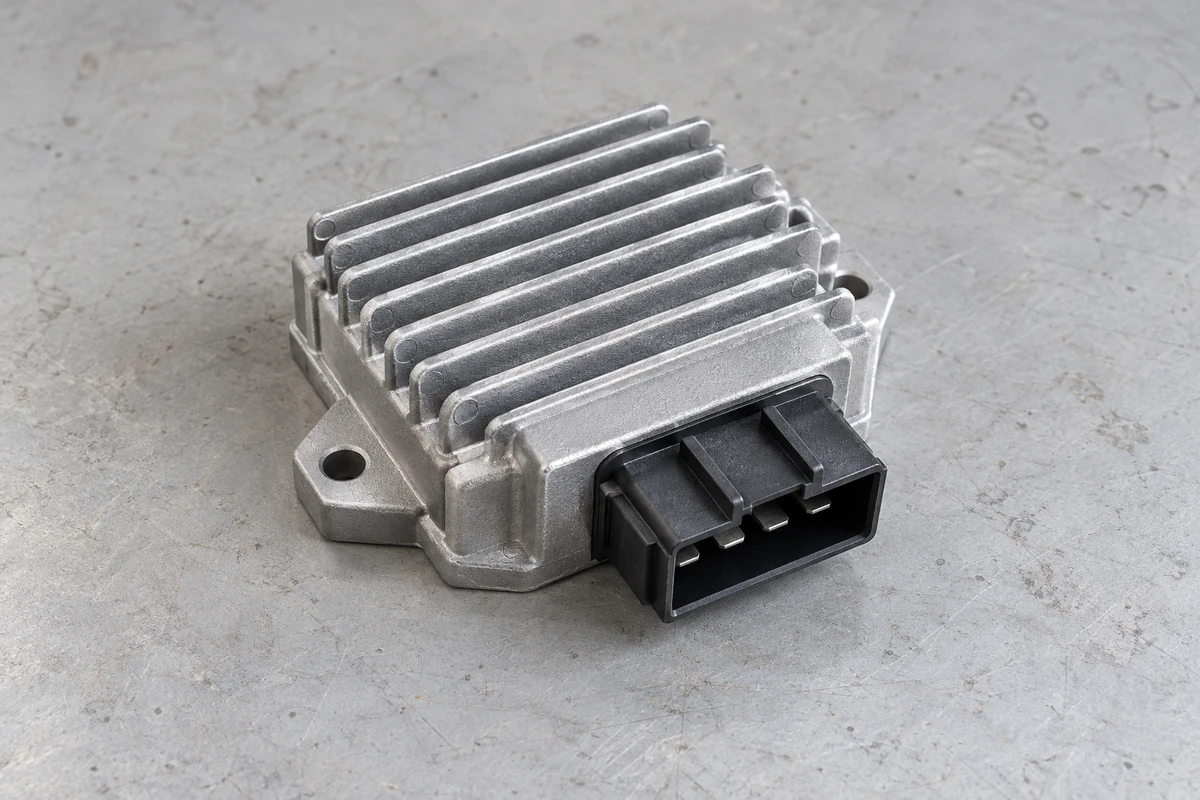
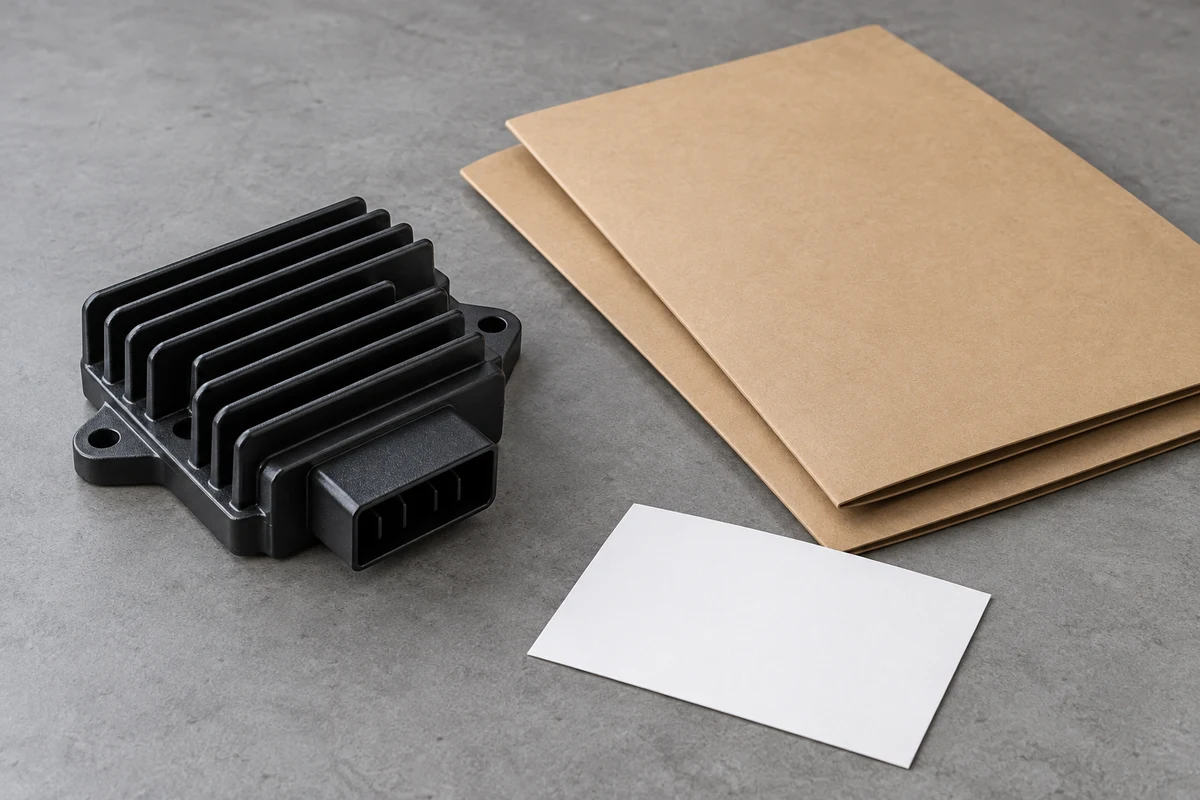
Read article: Rear Sprocket Reorders: Separate Carrier-Based and One-Piece Stock → Separate generator phase count, regulation architecture and exact module identity before comparing a motorcycle regulator replacement.
Read article: Regulator RFQ: Phase Count and Architecture Before MOSFET Labels → Check whether a retail checkout offers the required delivery country before comparing its shipping price with a separately arranged international order.
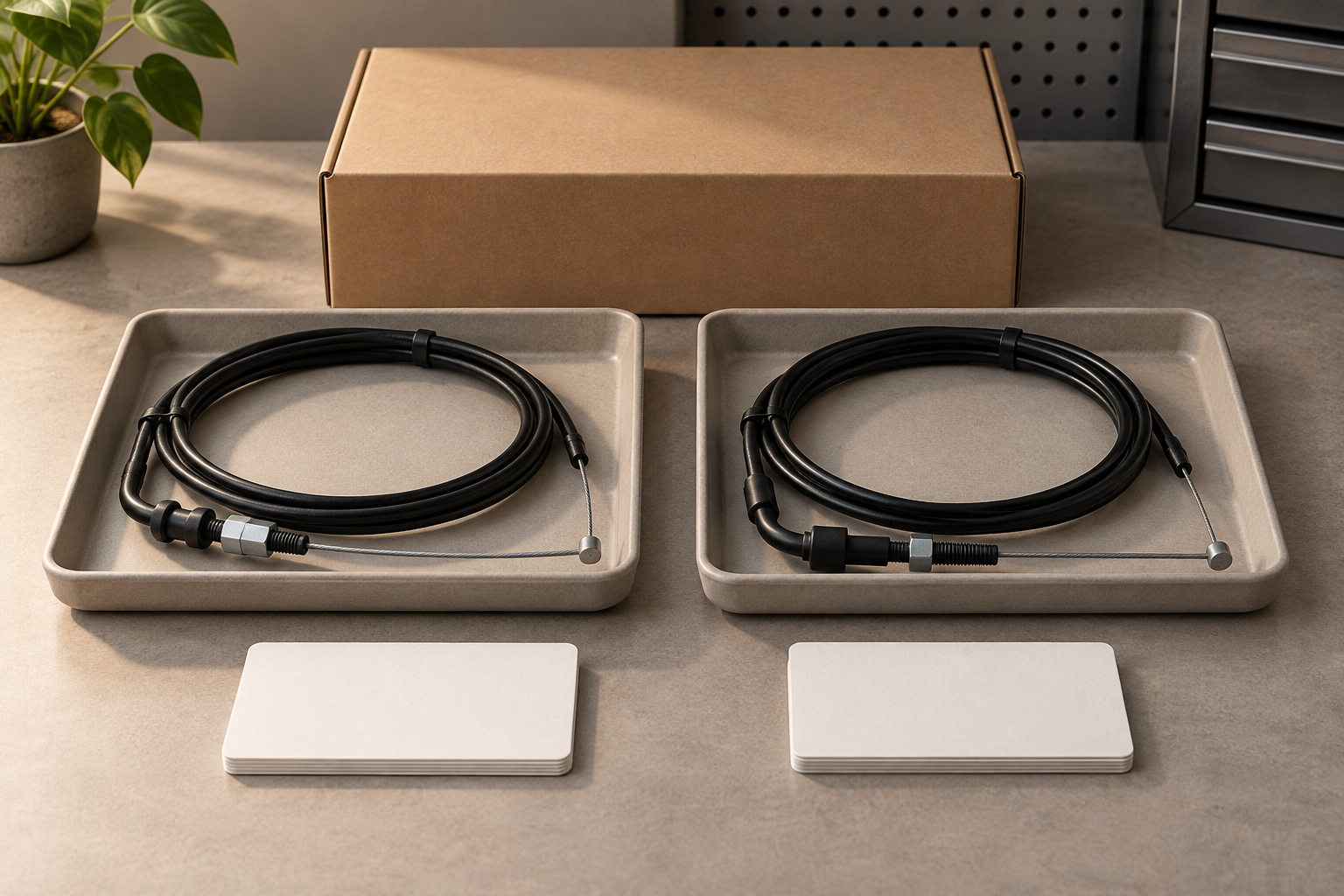
Read article: Motorcycle Parts Checkout: US Delivery or an International Order? → Replenish cables for documented REV2 installations using the exact cable application and current component-supply scope.
Read article: Throttle Cable Spares: Reorder for the Installed Control System → Convert approved serviced discs into exact one-rotor bolt-set requirements, without assuming one set covers one motorcycle.
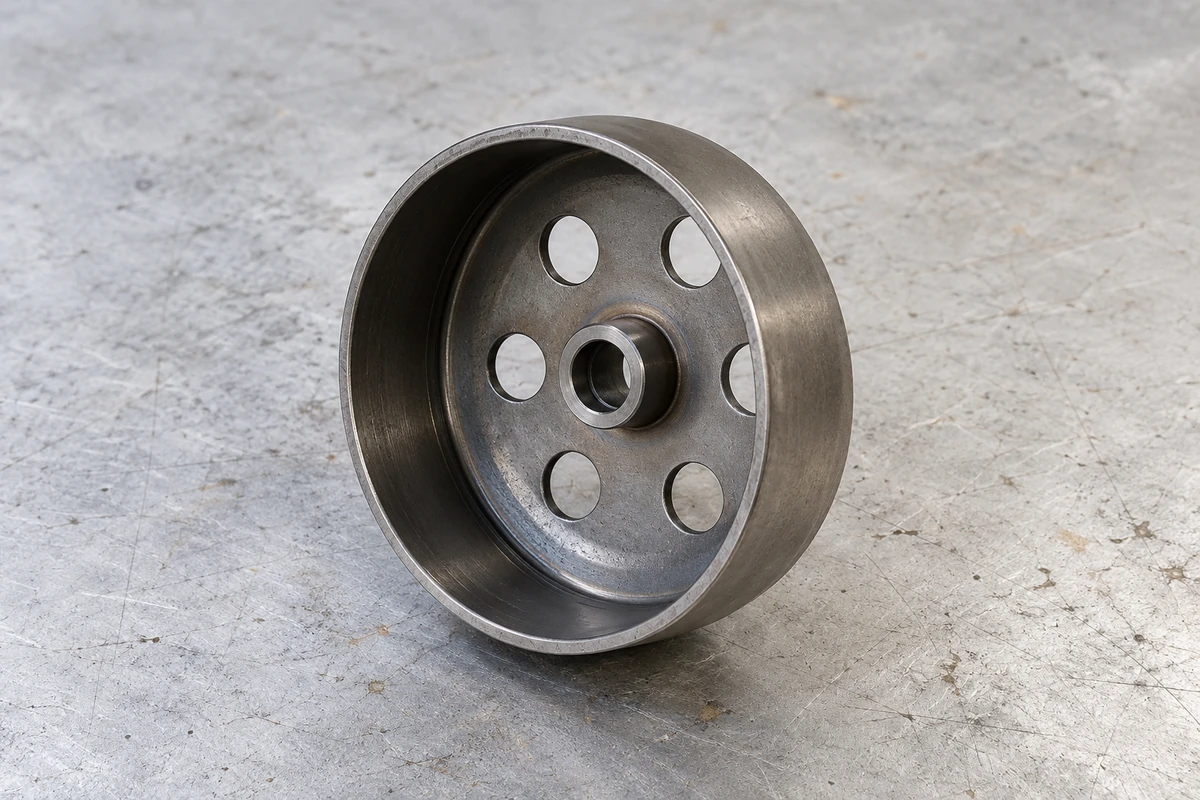
Read article: Rotor Bolt Reorders: Count Disc Sets, Not Motorcycles → Identify whether the approved request is for a bell alone or a clutch-and-bell system, and document any assumption about the retained clutch.
Read article: Scooter Clutch RFQ: Separate a Bell from a Documented System → Keep missing-ring, residue and reported stiffness observations separate when asking a supplier to assess an already specified sealed chain.
Read article: Sealed Chain Receipt: Record Ring and Stiffness Concerns → Keep rider, equipment and extension-reference context with a returned sag record so a different load case is not mistaken for the same result.
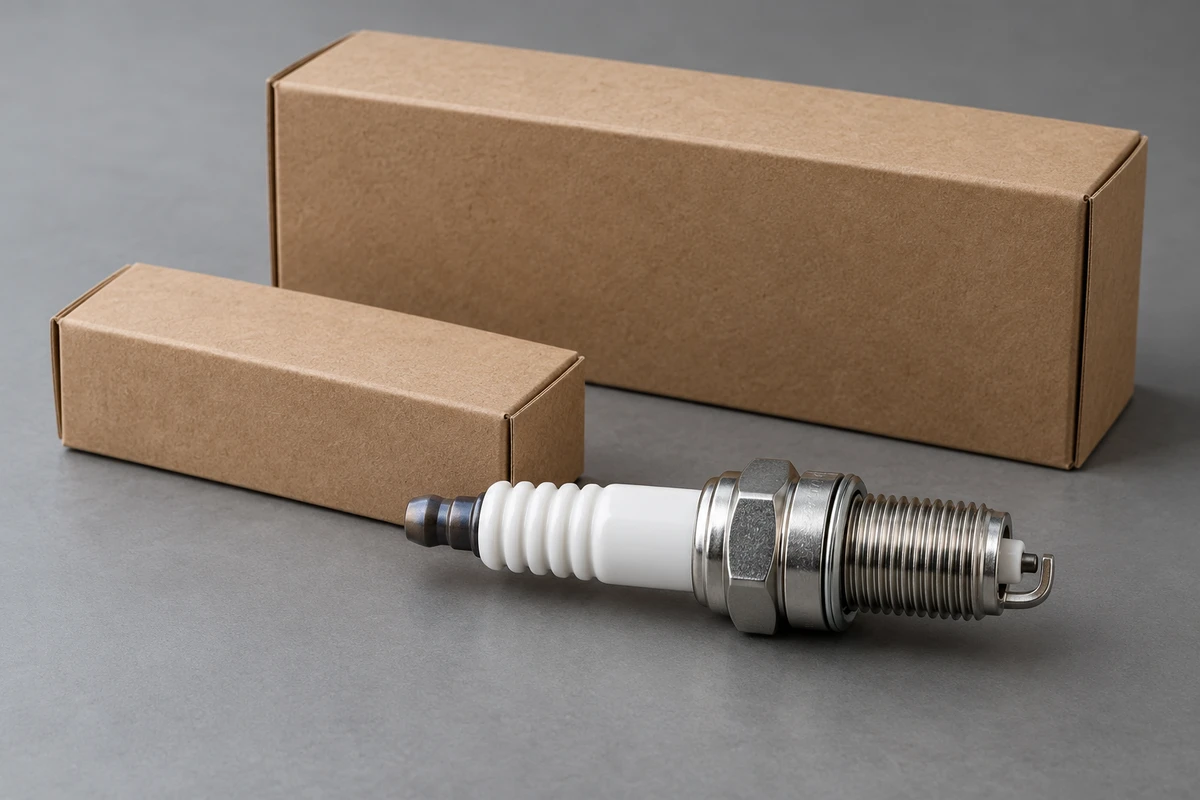
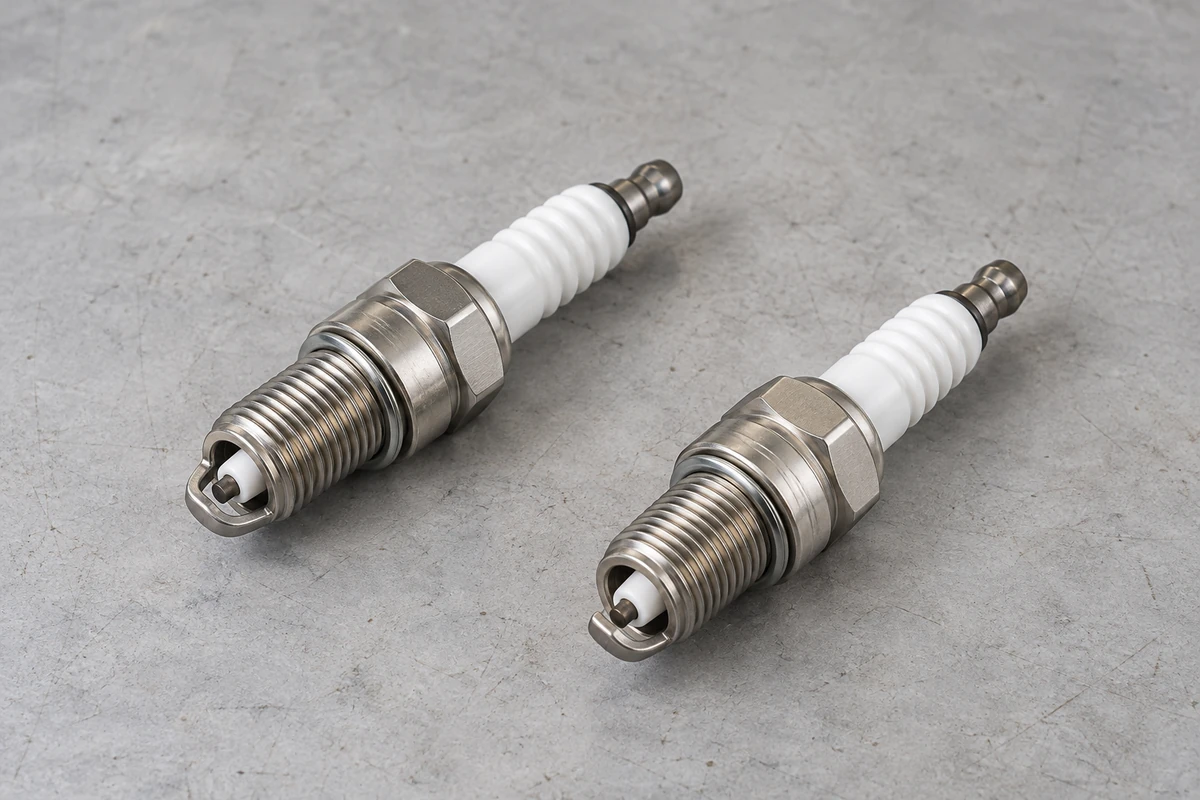
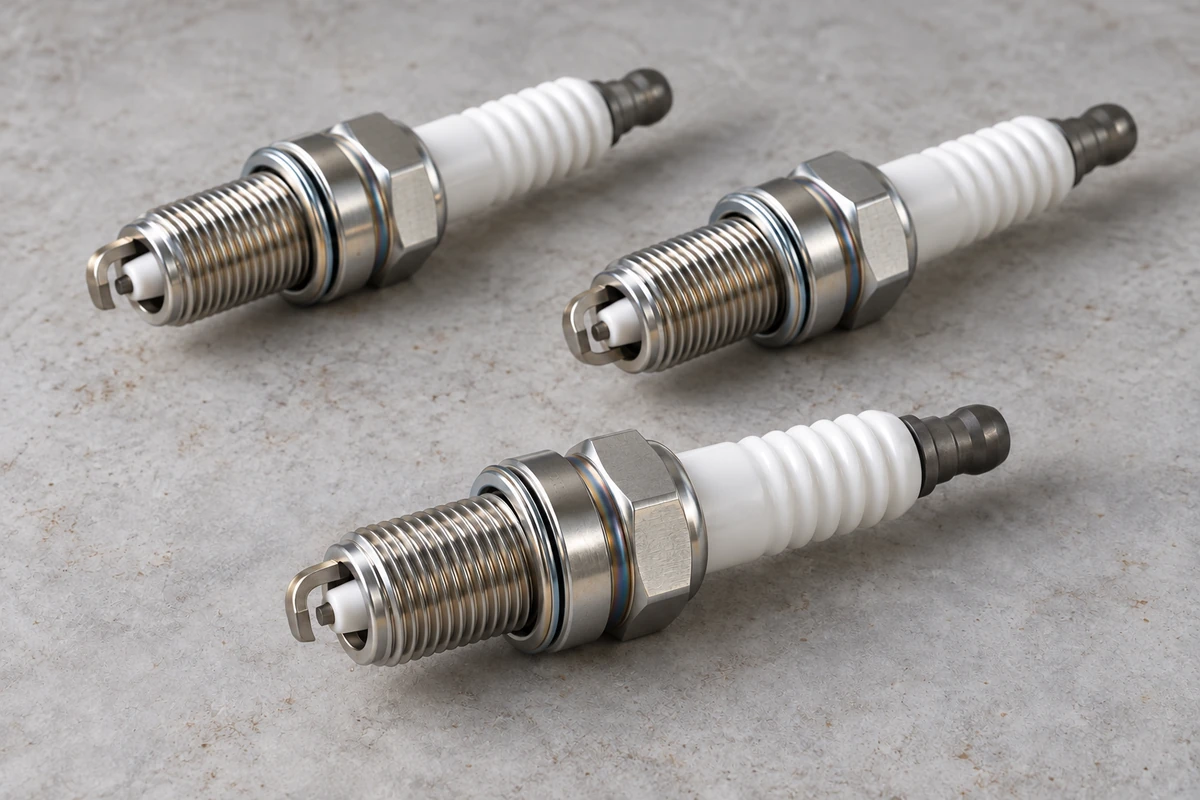
Read article: Suspension Sag Handover: Identify the Recorded Load Case → Keep individual spark-plug boxes associated with their contents beneath a new multipack sleeve. A bundle label cannot replace the original identifiers.
Read article: Spark Plug Multipacks: Preserve Each Original Box Identity → Keep full spark-plug codes and application cross-references together instead of treating similar heat-range numbers as cross-brand equivalents.
Read article: Spark Plug RFQ: Do Not Match Heat Numbers Across Brands → Preserve plug-to-package links, purchase records and specific inconsistencies for an origin review without declaring authenticity from appearance.
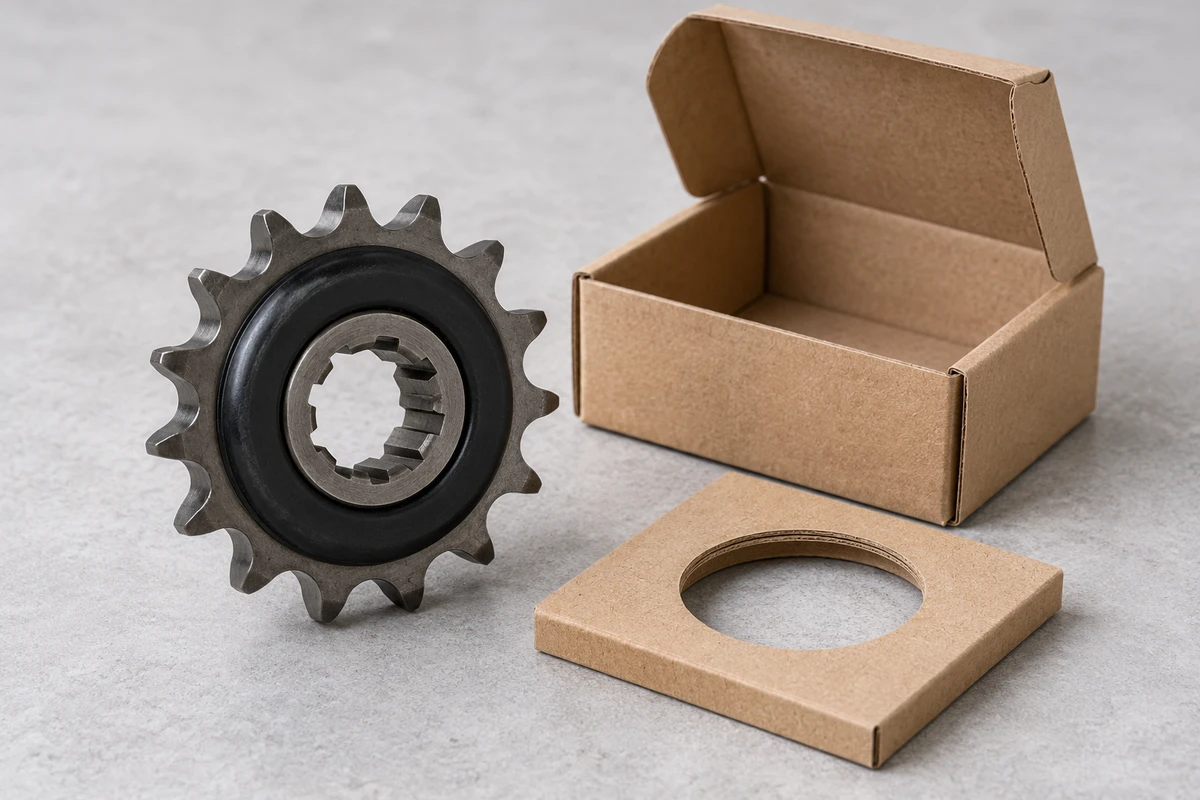
Read article: Spark Plug Receipt: Build a Traceable Origin Query → Check whether one proposed holder contacts different features on plain and rubber-cushioned sprocket variants before extending a packaging approval.
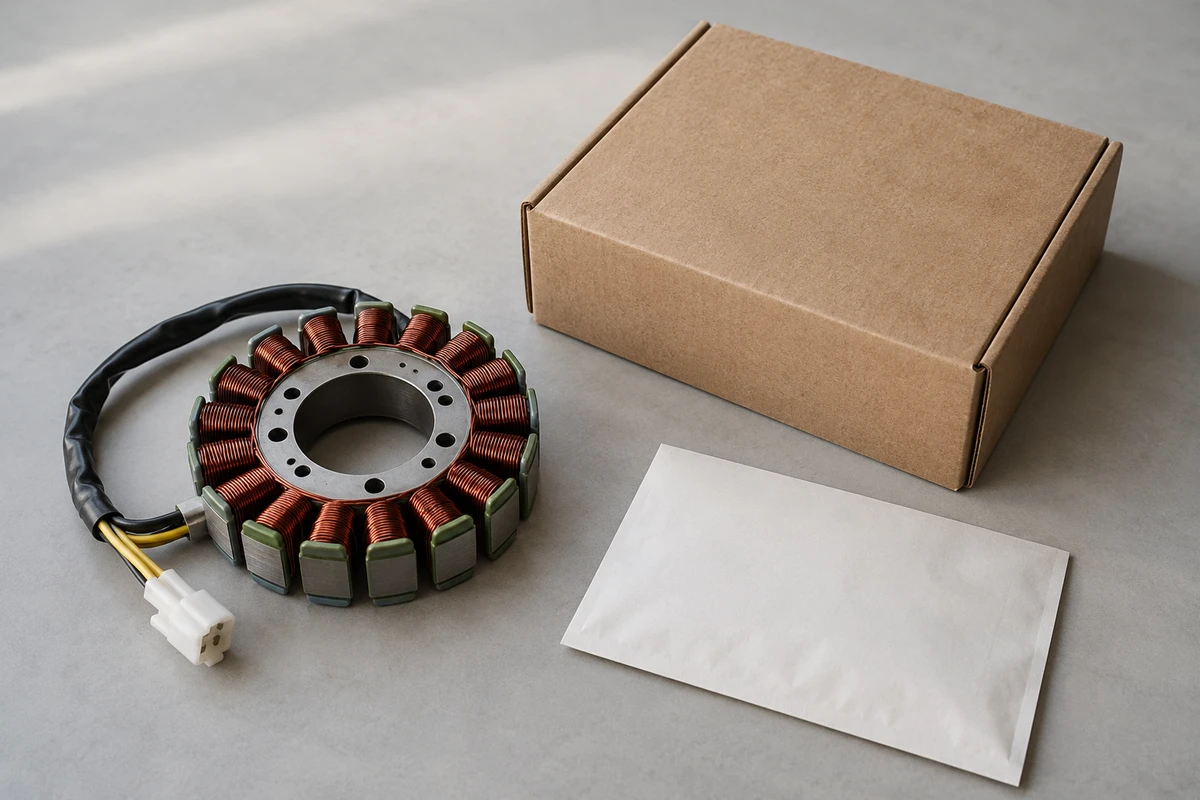
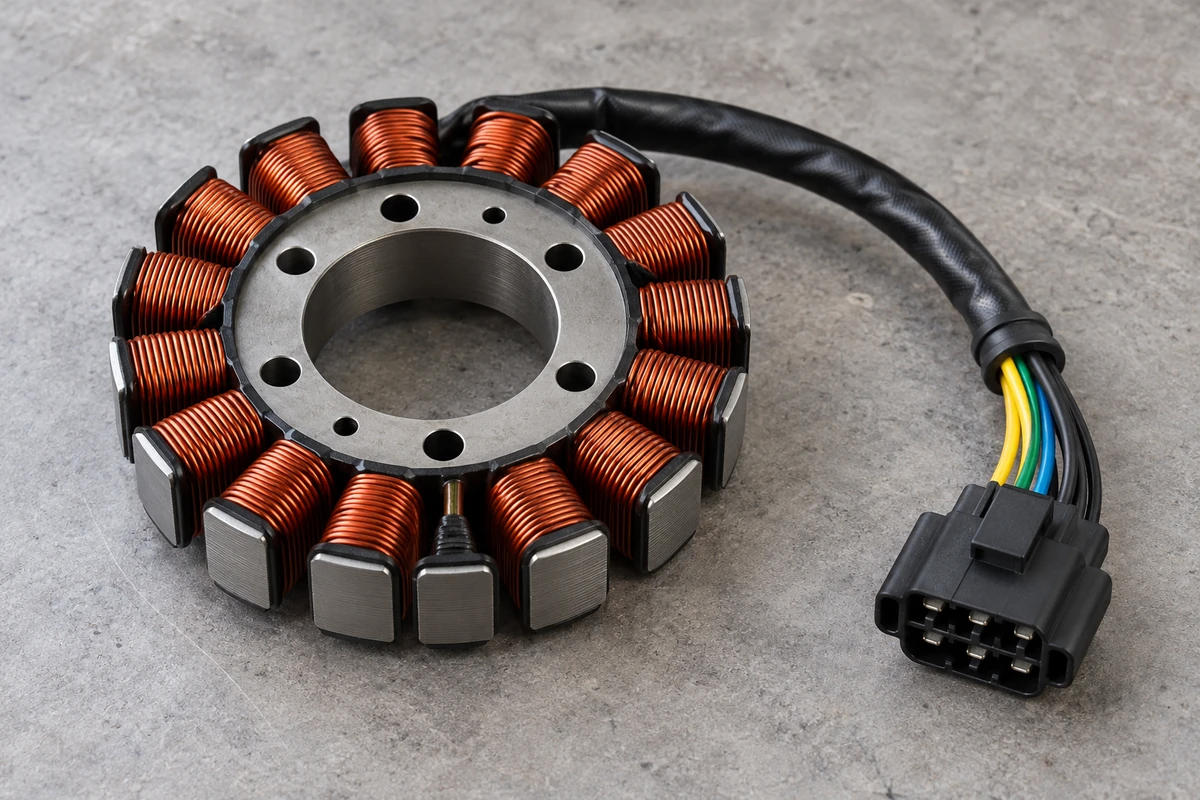
Read article: Sprocket Packaging: Review Holder Contact by Variant → Record core receipt, payment acknowledgment, service release and return readiness separately before scheduling transport for a rebuilt stator.
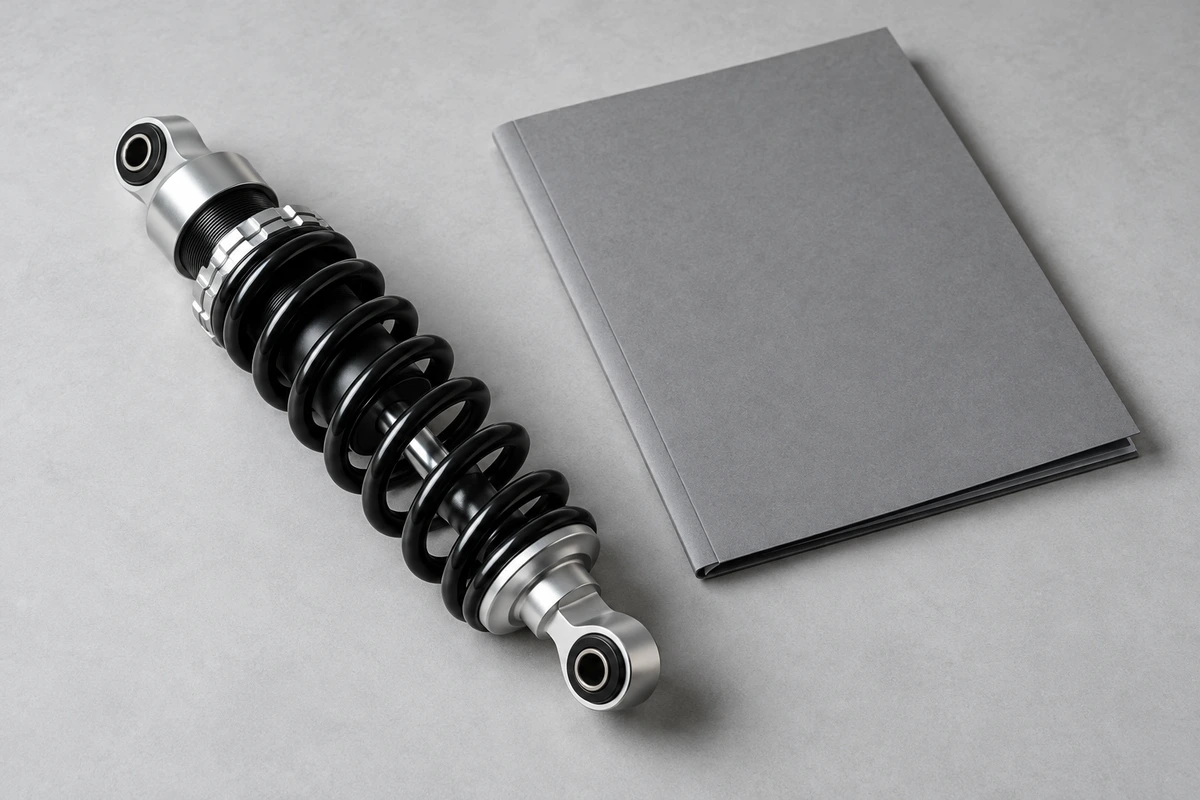
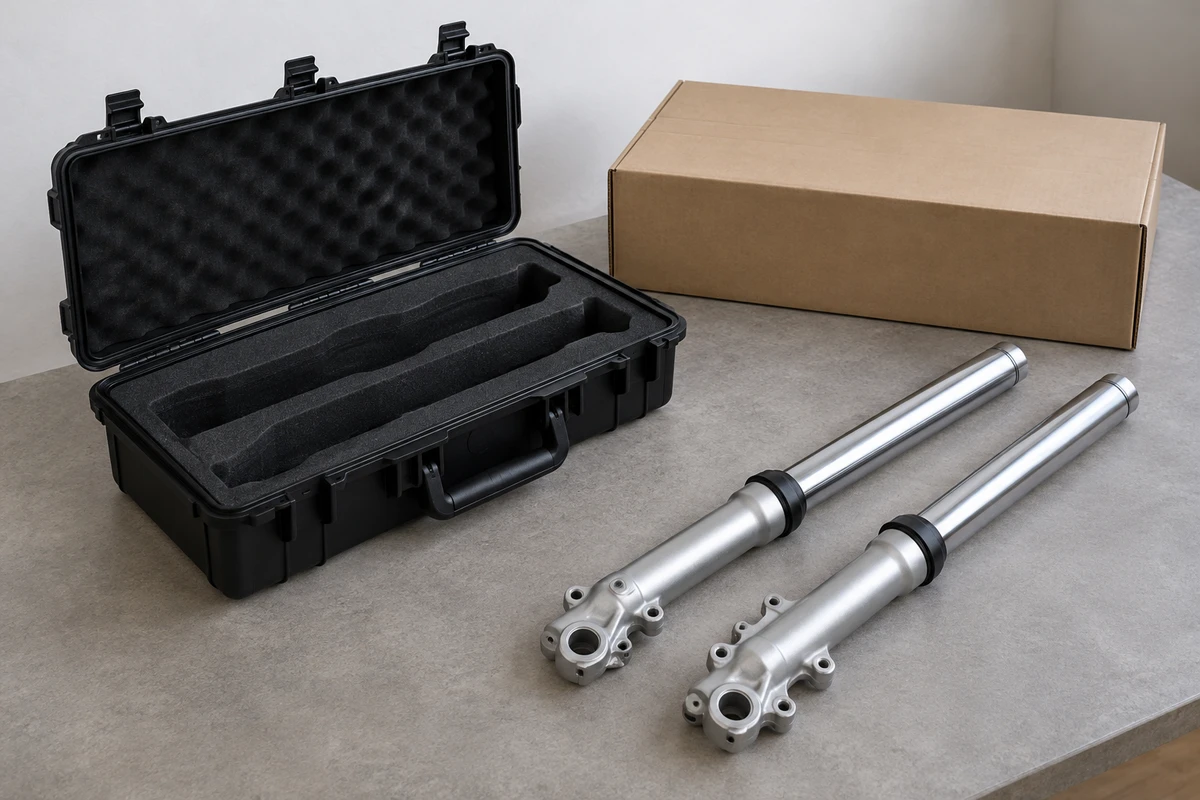
Read article: Stator Rebuild Shipping: Separate Core Arrival from the Service Clock → Before shipping suspension components in a reusable case, check how both parts and case will return and what any separate shipment will cost.
Read article: Suspension Service Shipping: Will the Empty Case Return Separately? → Require exact kit and revision evidence when a supplier proposes a changed thrust-element material or construction in a swing-arm kit.
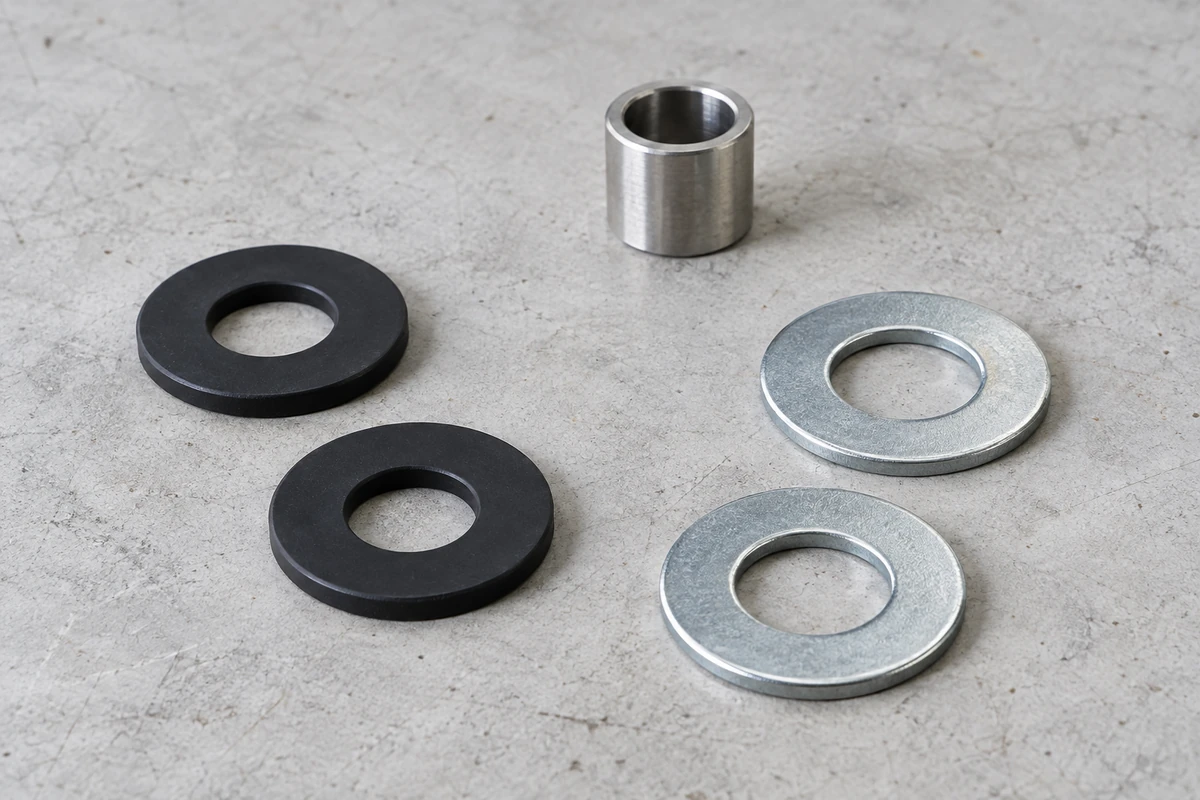
Read article: Swing-Arm Kit RFQ: Review a Changed Thrust Element → Prevent a simplified washer-pouch label from erasing the approved distinction between thrust elements and ordinary washers in a swing-arm kit.
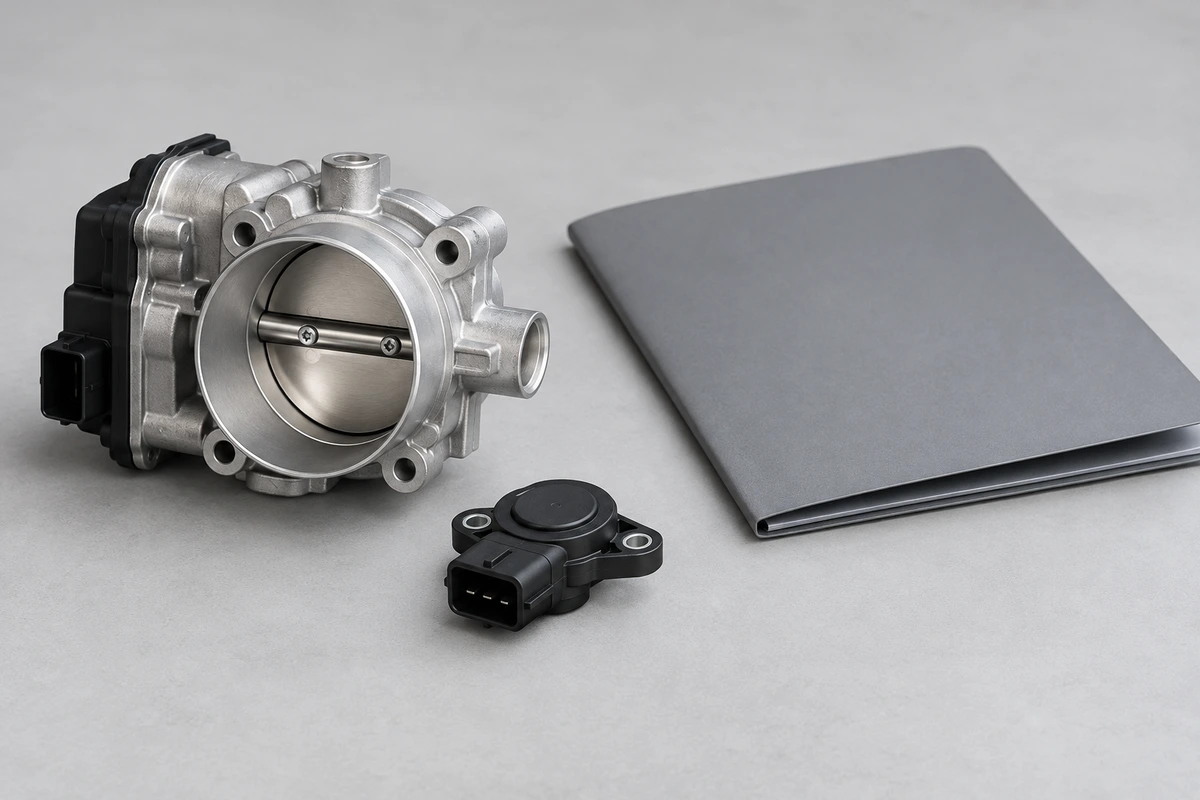
Read article: Swing-Arm Kit Pouches: Keep Thrust and Washer Terms → Distinguish a provider-declared installed throttle-body combination from the alternative parts still present in the supplied kit.
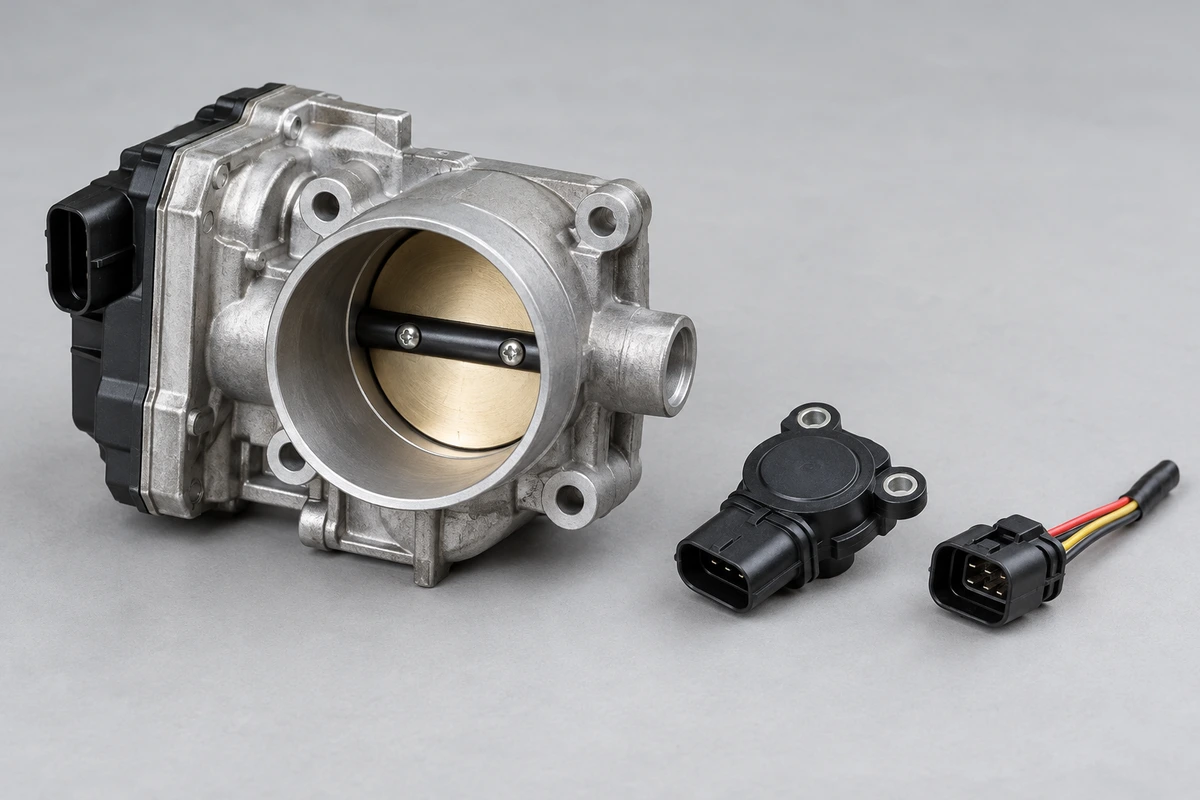
Read article: Throttle Body Handover: Record the As-Built Combination → Connect the provider’s pre-work TPS reference to its post-work restoration record without turning a historical reading into a universal sensor setting.
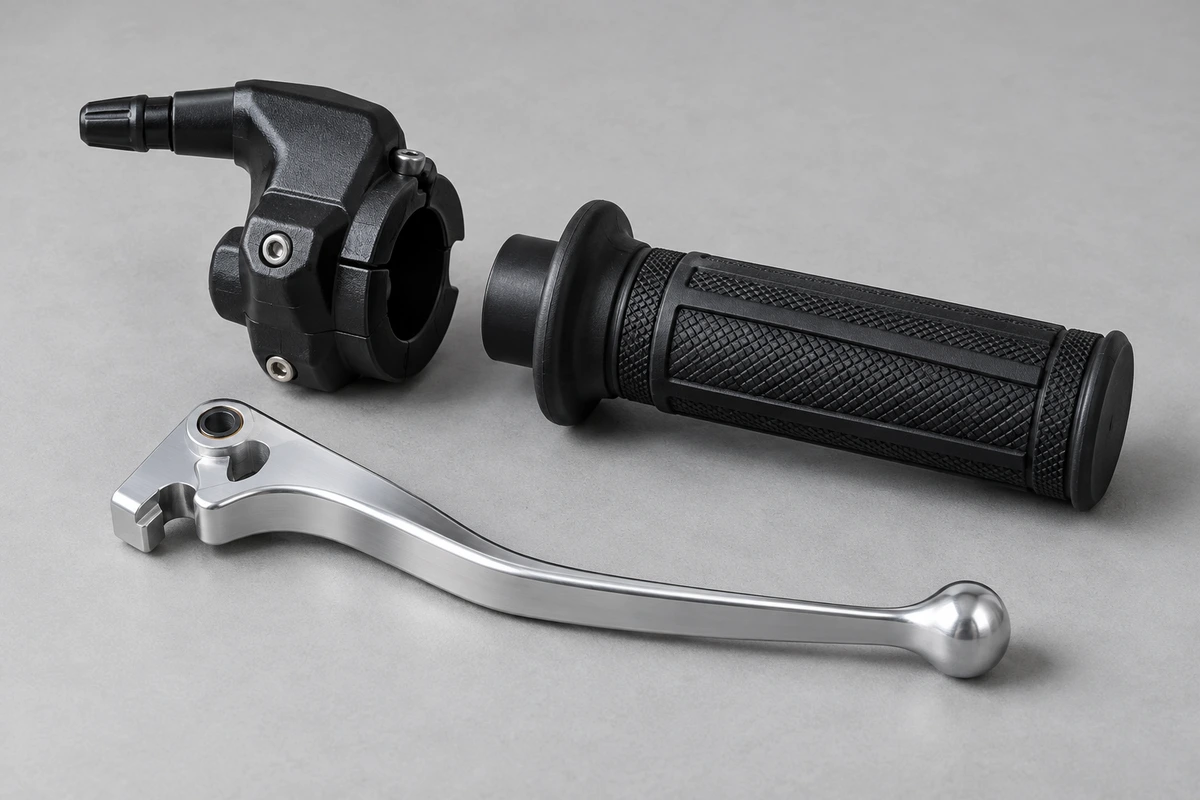
Read article: Throttle Body Handover: Preserve the TPS Reference Lineage → Ask whether the qualified completion record addresses the adjacent brake lever and actual control configuration, rather than only the replaced throttle.
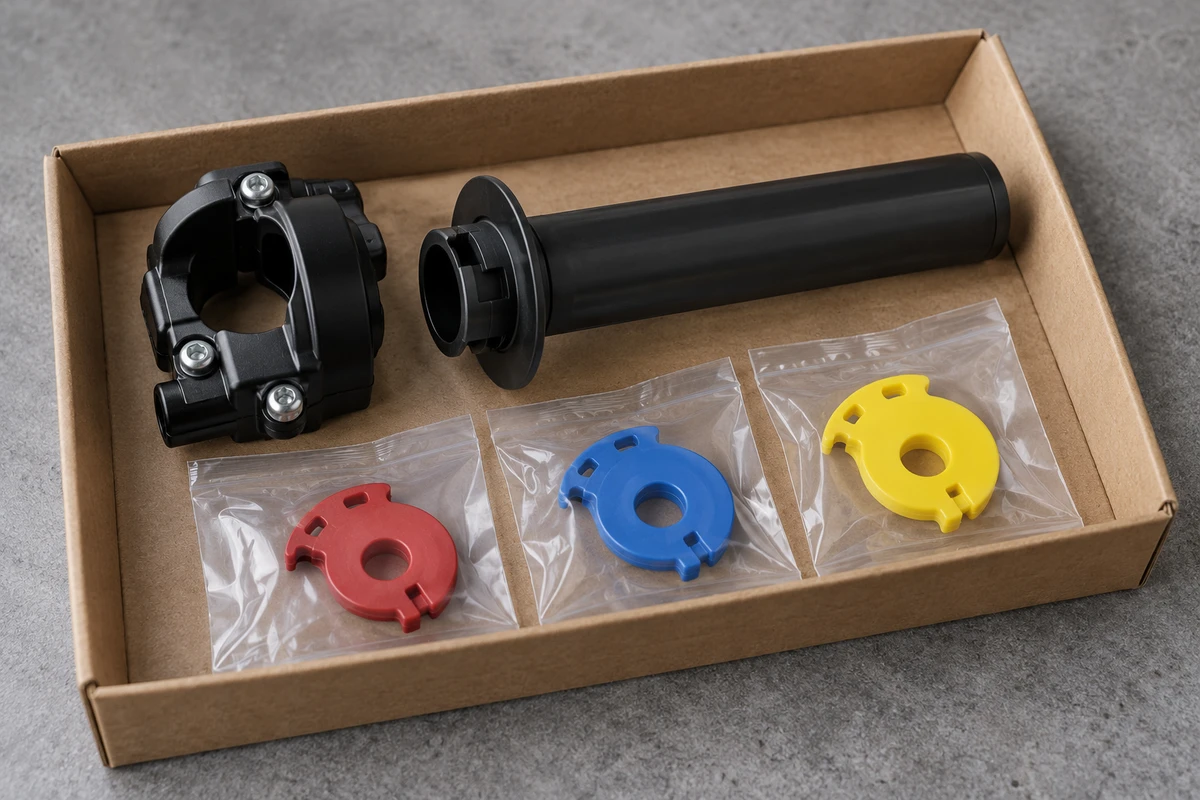
Read article: Throttle Handover: Retain the Brake-Lever Interface Evidence → Keep alternative reels included in the approved throttle kit when a retail display shows only one configuration. Record inclusion without choosing a setup.
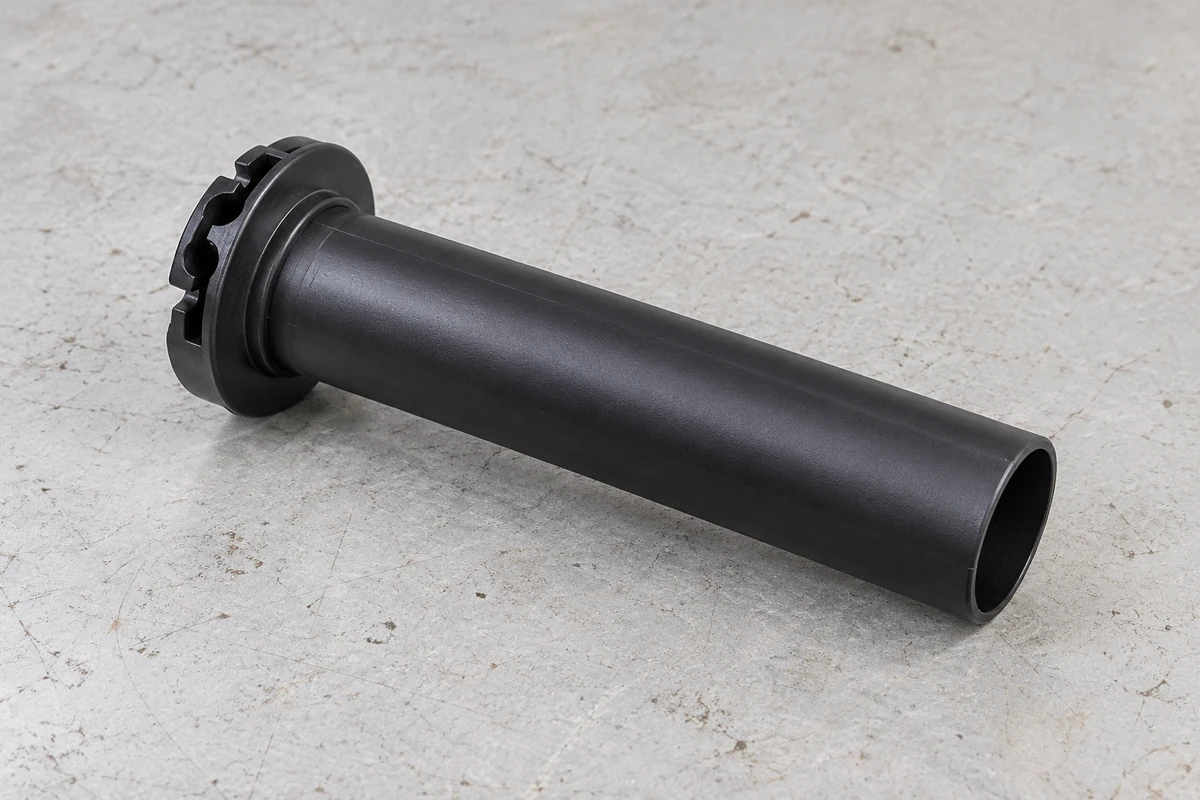
Read article: Throttle Kit Packing: Retain Supplied Alternative Reels → Resolve the installed throttle control and exact tube-to-control reference before using a vehicle application lookup on a modified motorcycle.
Read article: Throttle Tube RFQ: Identify the Actual Control Assembly → Identify the professional completion stages and local movements still required when an unfinished fairing arrives, before comparing it with finished supply.
Read article: Unfinished Motorcycle Fairings: Budget the Work After Delivery → Keep an intentionally loose cable fitting visible in the packing description without presenting the supply as a finished ready-to-use assembly.
Read article: Universal Cable Packs: Describe the Supplied Loose Fitting → Retain an attributable prior-direction record for a removed belt without confusing wear history with an inherently directional product design.
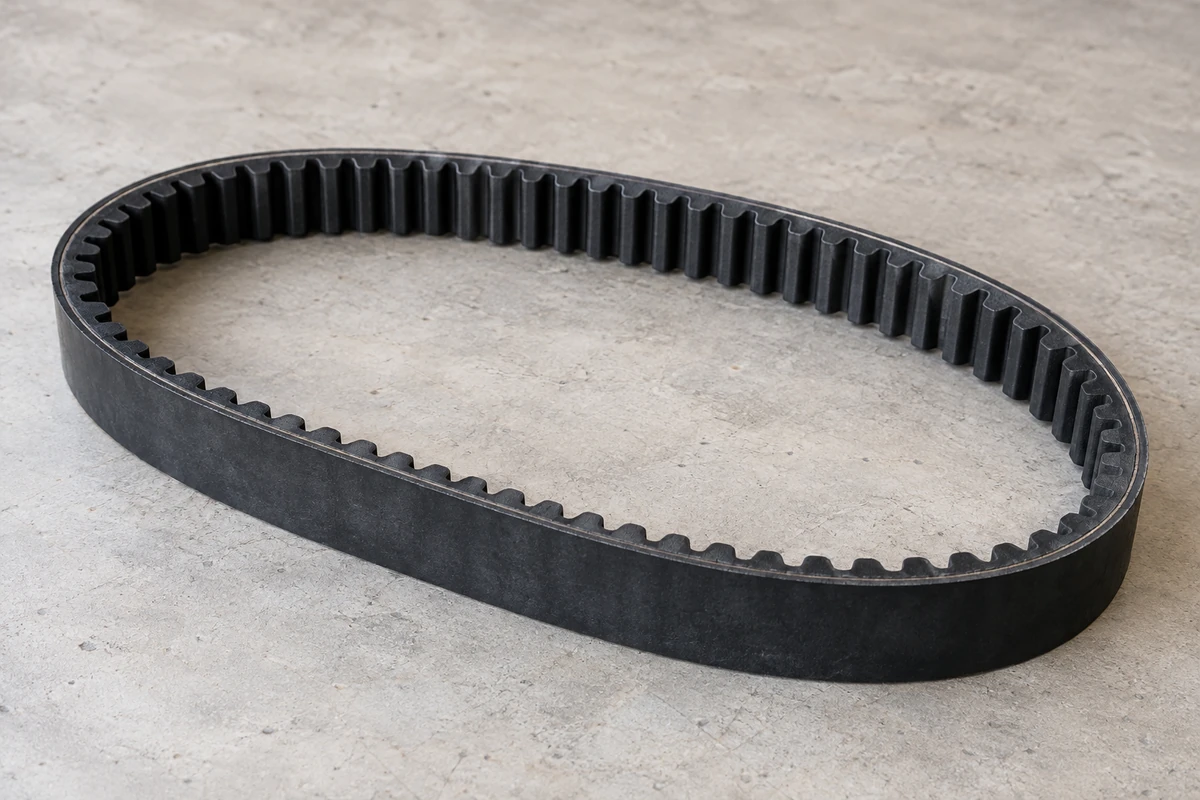
Read article: Used CVT Belt Handover: Preserve Prior Running Direction → Replenish the exact approved shim thicknesses without treating neighboring sizes, removed shims or a full-looking assortment as usable coverage.
Read article: Valve Shim Reorders: Separate Thickness Demand from Case Counts → Define the authorized clutch-stack requirement and retained-component boundary before comparing friction-only sets with broader rebuild kits.
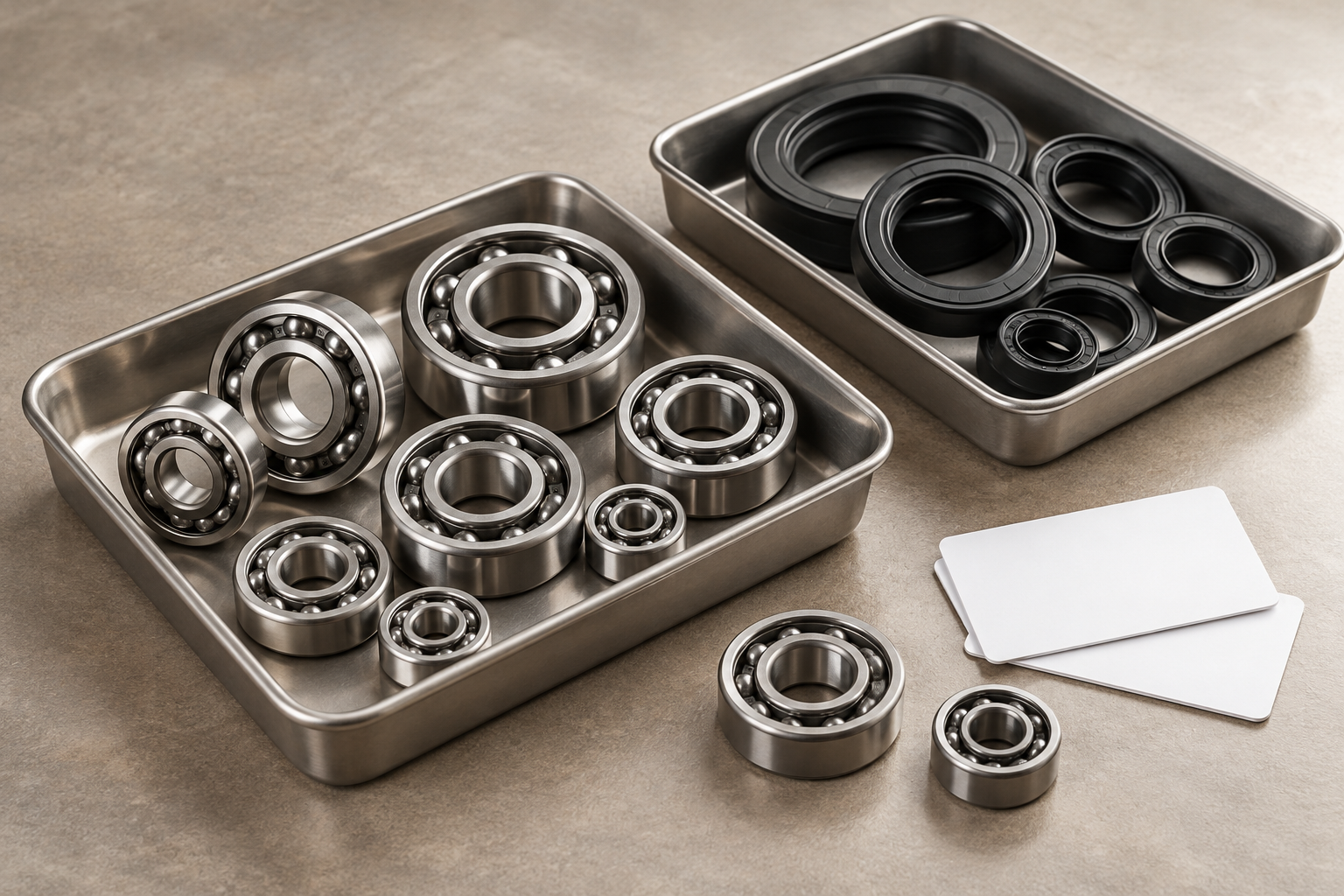
Read article: Wet Clutch RFQ: Friction Set or Controlled Rebuild Stack? → Map approved wheel-service jobs to exact front or rear bearing kits before converting loose bearing and seal counts into a reorder.
Read article: Wheel Bearing Reorders: Count the Serviced Wheel, Not Loose Bearings → If wheel parts go through an intermediary country, separate the seller’s stated remedy destination from the final owner’s location before budgeting returns.
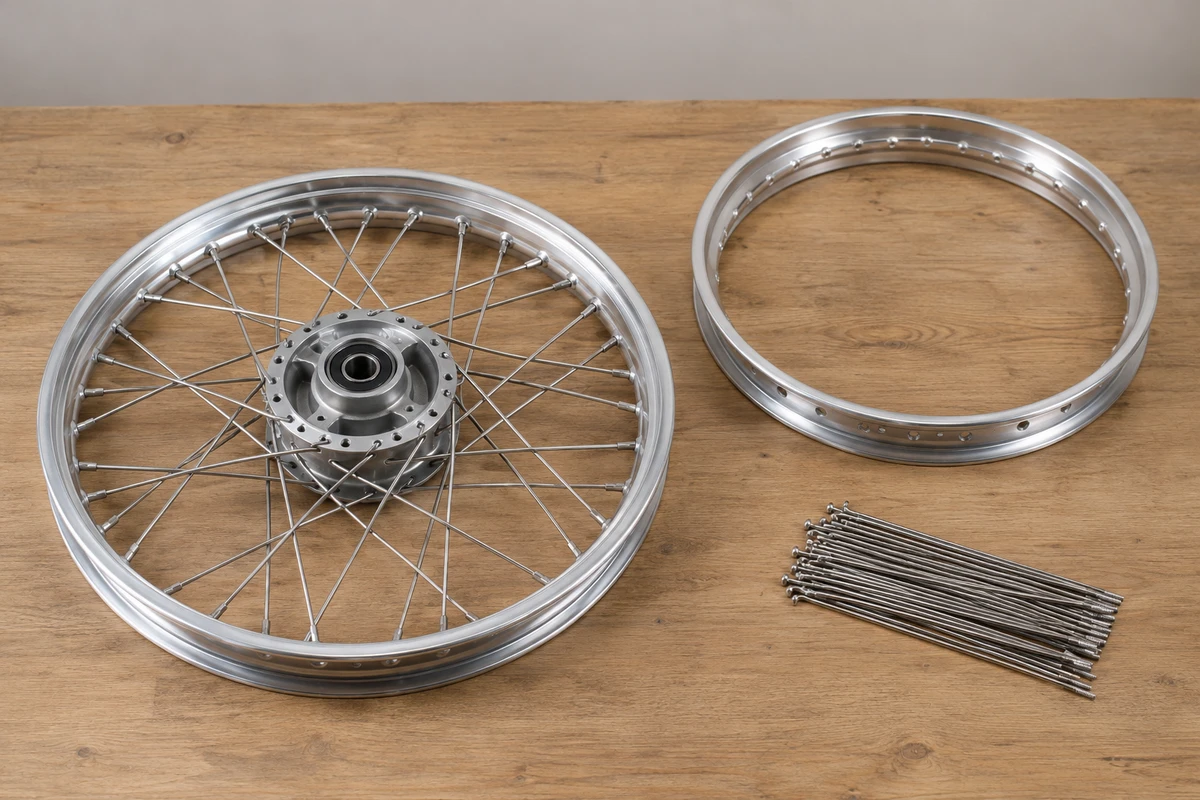
Read article: Wheel Parts via a Forwarder: Find Where Return-Cost Coverage Ends → If you want the original spokes and nipples returned, agree the preservation service and return scope before sending the wheel for rebuilding.
Read article: Wheel Rebuild Shipping: Agree Old-Spoke Retention Before Work → Compare component delivery plus local wheel work with an assembled-wheel service using the actual work scope and shipment state for each route.
Read article: Wheel Parts or an Assembled Wheel: Compare the Same Service Endpoint → Resolve the retail receipt, upstream purchase evidence and actual claim initiator before booking an electrical-part warranty return.
Read article: Electrical Warranty Returns: Resolve the Dealer's Purchase-Evidence Chain → Compare the sent stator assembly, authorized work and returned elements before closing a rebuild receipt or accepting unexplained changes.
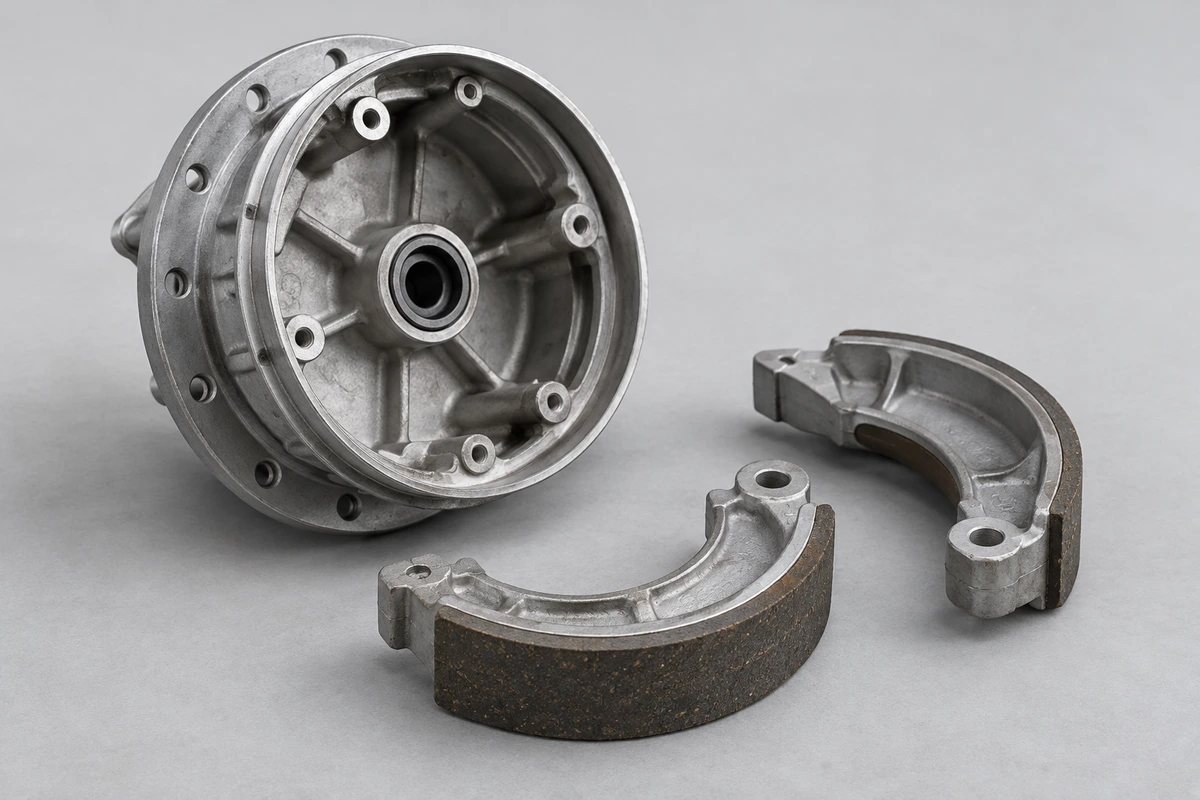
Read article: Rebuilt Stator Receipt: Reconcile the Returned Assembly → Connect a serviced drum with the shoe and backing-plate assembly matched to it, including the wheel-work event that defines the relationship.
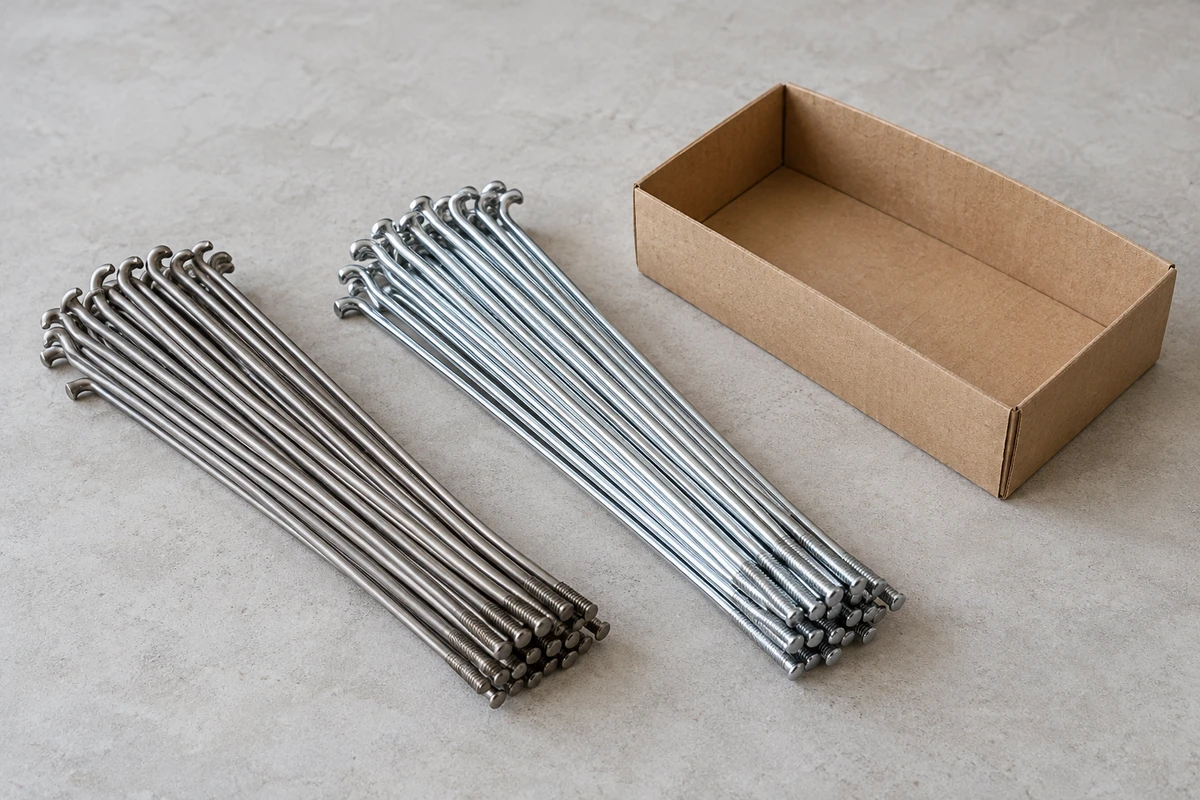
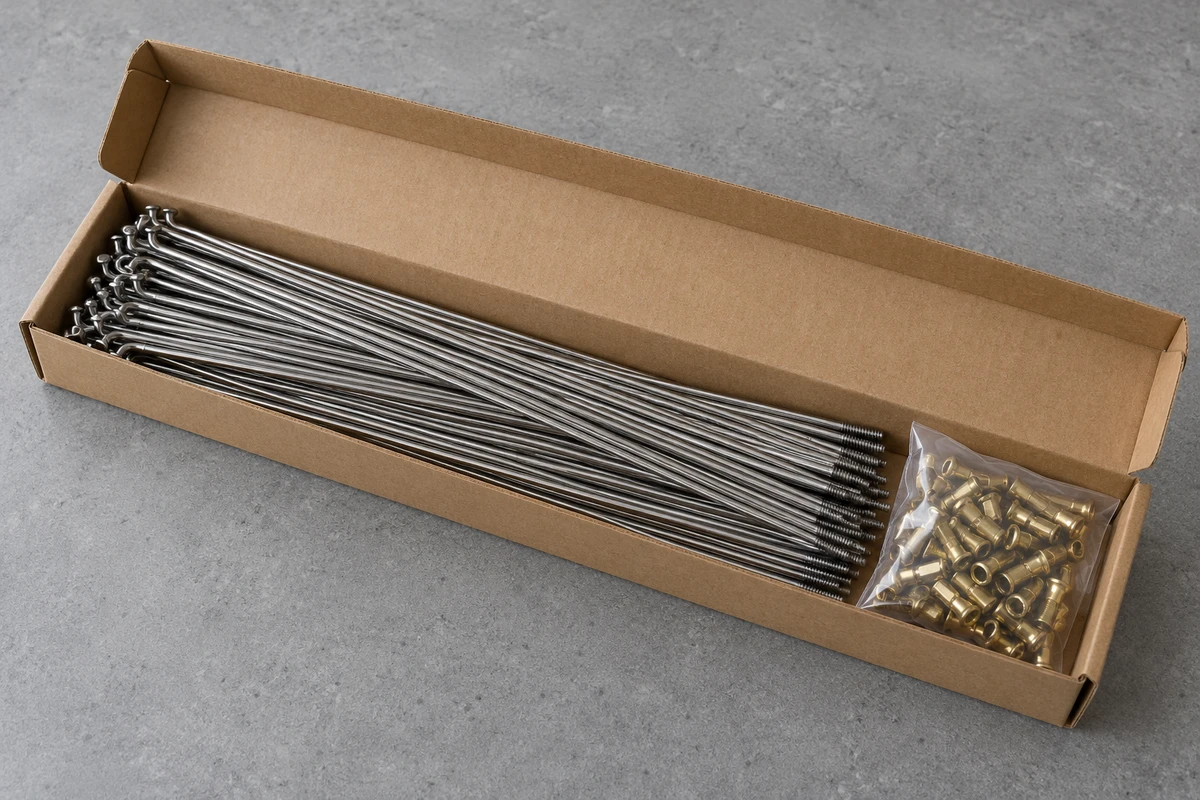
Read article: Drum Brake Arcing Handover: Preserve the Matched Assembly → Give a made-to-order spoke-and-nipple kit a traceable package reference when no ordinary retail SKU identifies the approved custom configuration.
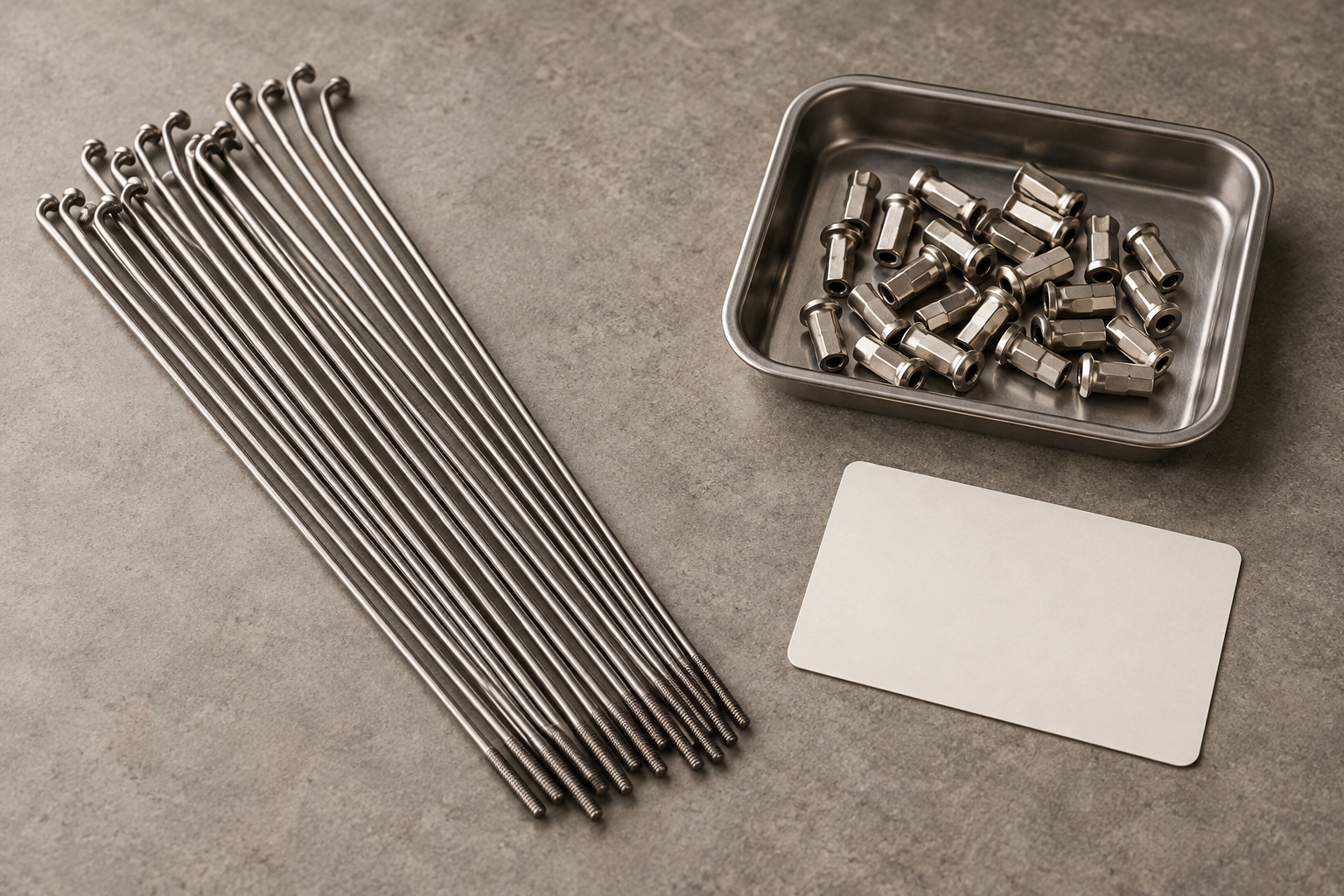
Read article: Custom Spoke Kits: Keep the Order Reference on the Pack → Reconcile a handed-over cleaner recommendation with the identified sealed-chain maker’s guidance before carrying it into the recipient’s care record.
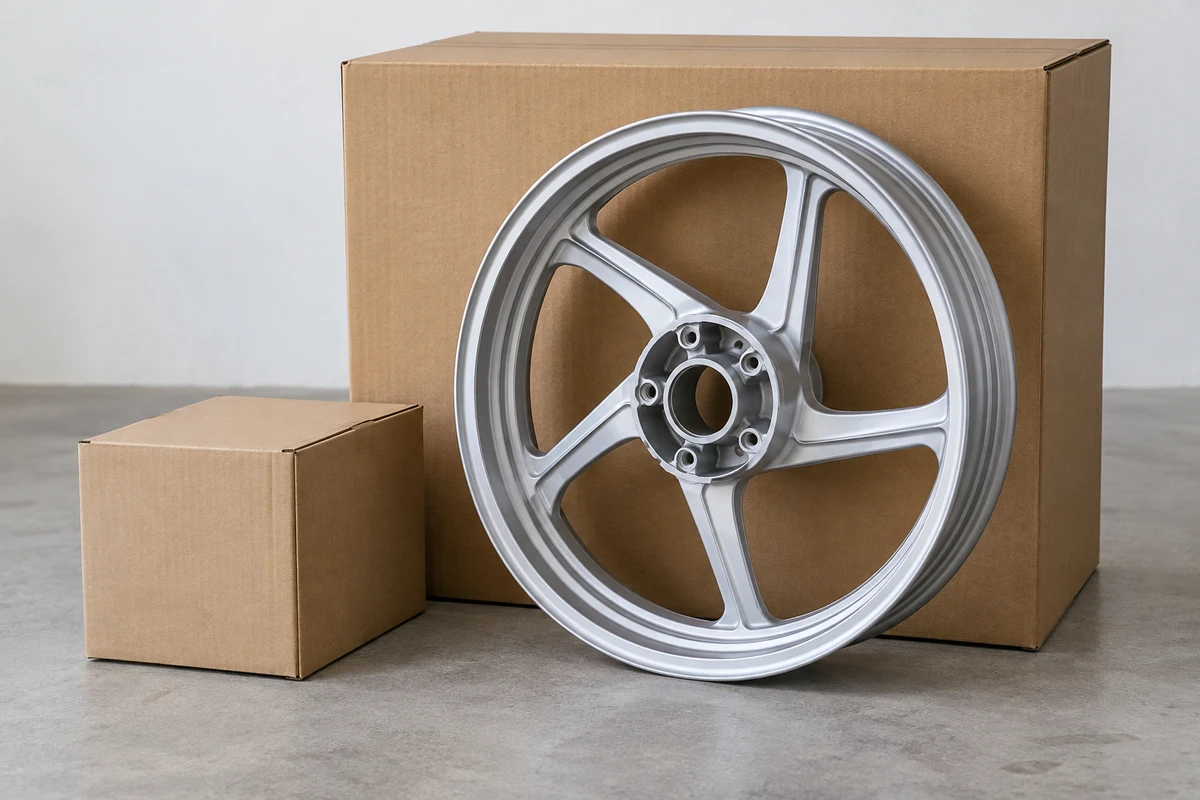
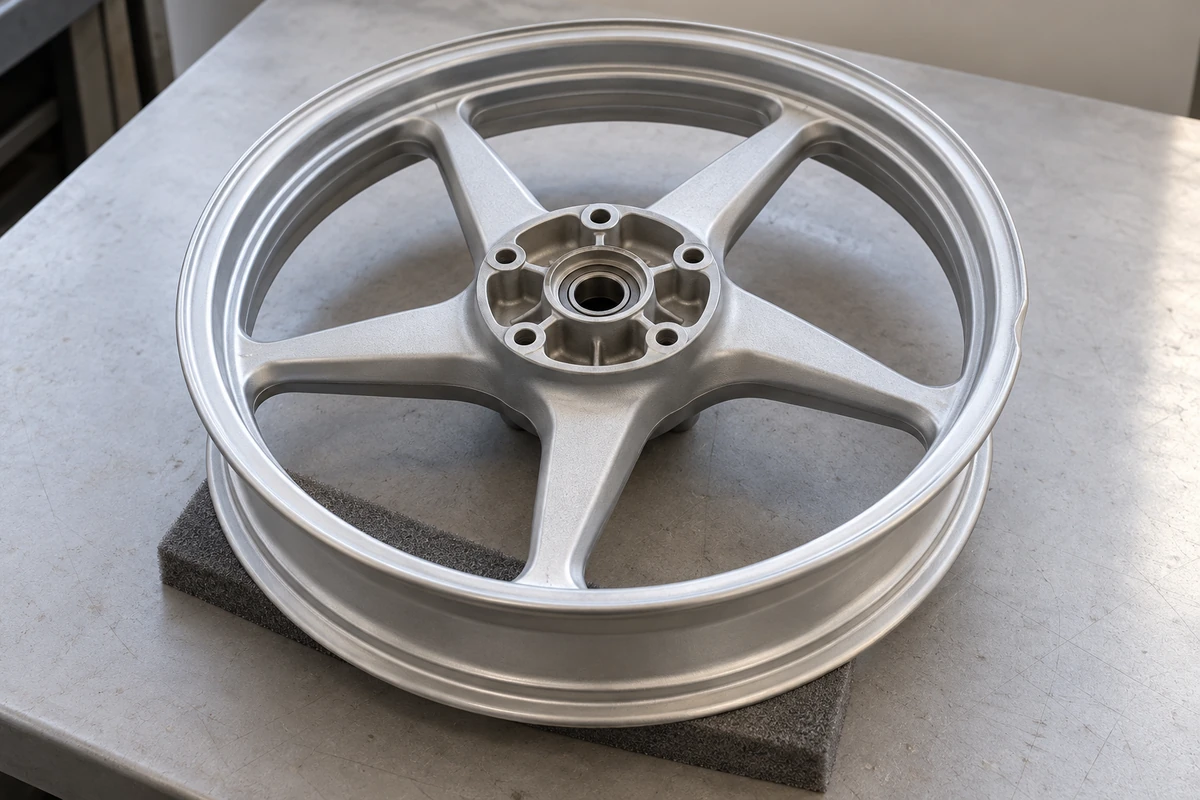
Read article: Sealed Chain Handover: Resolve Conflicting Care Chemistry → Separate a price credit for wheel appearance from a competent assessment of an identified rim dent and the actual affected unit.
Read article: Motorcycle Wheel Receipt: Keep Rim Dent Assessment Open → Preserve a software utility’s negative applicability statement alongside the actual controller identity instead of treating a downloaded file as approved.
Read article: Quickshifter Handover: Check the Utility’s Explicit Exclusion → Keep a CVT belt’s as-arrived folding or bundling evidence when seeking assessment; a smooth surface cannot establish internal cord condition.
Read article: CVT Belt Receipt: Preserve a Reported Folding Event → Resolve relaxed versus actual fork preload in returned service records before comparing numbers or treating a changed label as changed work.
Read article: Fork Preload Handover: Preserve the Reference State → Turn an approved individual-spoke requirement into separate spoke and nipple purchase lines, retaining the original custom-order identity.
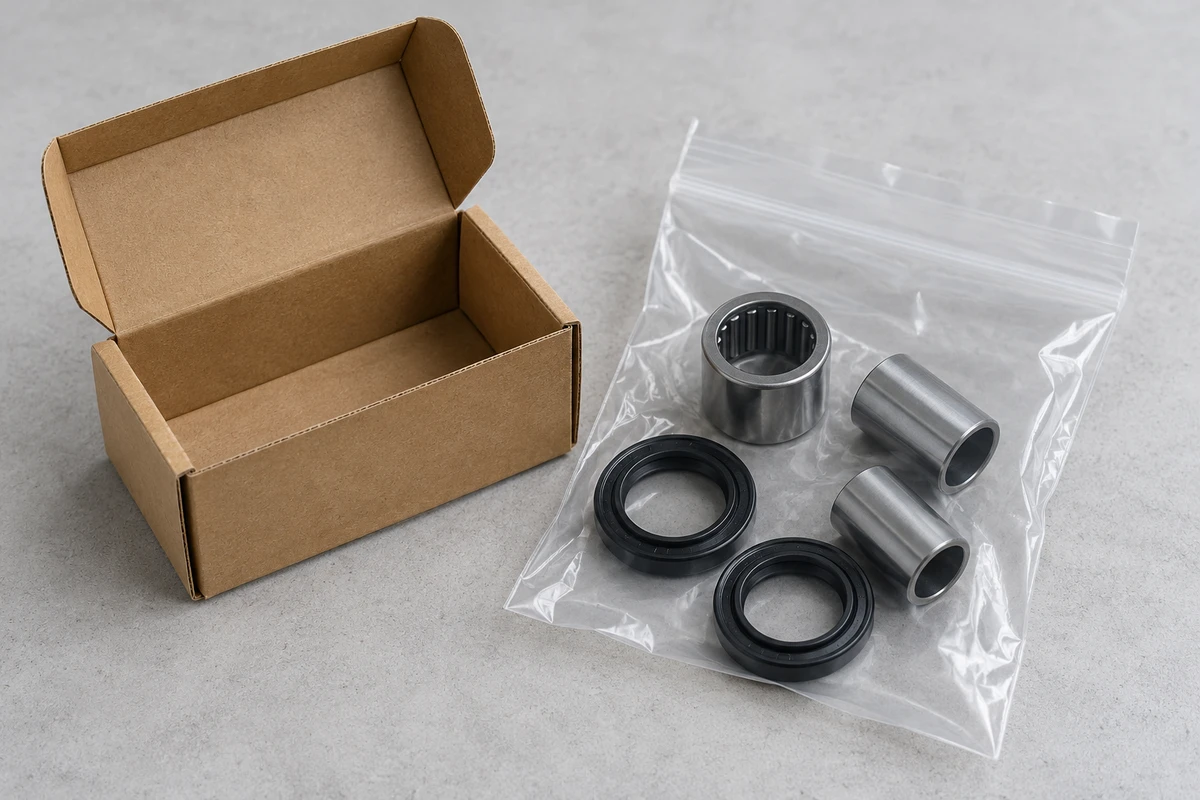
Read article: Individual Spoke Reorders: Keep Nipple Supply Separate → Describe a lower shock-mount bearing kit accurately on a new outer pack. Do not turn its limited contents into a complete shock-rebuild claim.
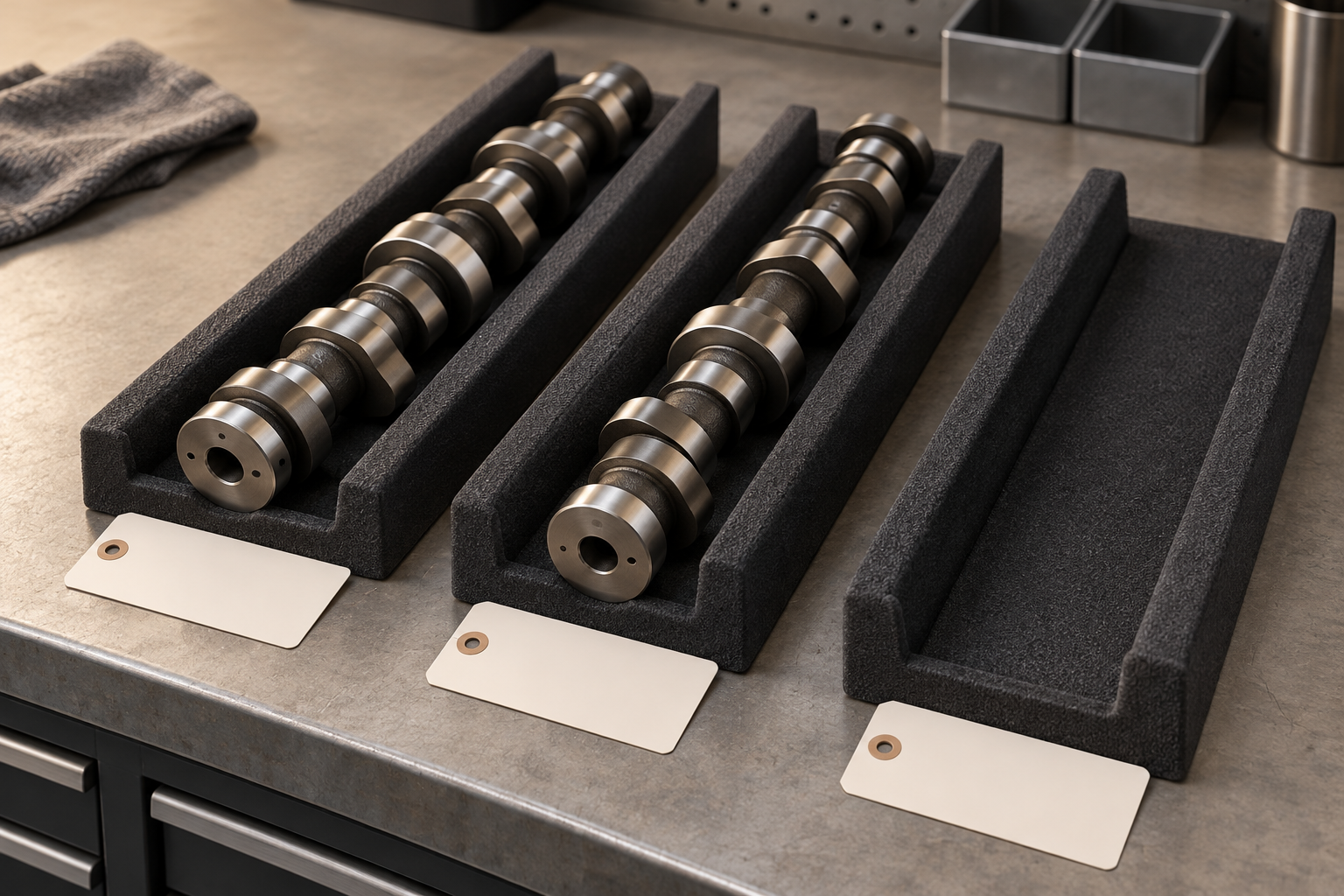
Read article: Lower Shock Bearing Kits: Keep the Package Title Narrow → Calculate intake and exhaust cam shortages within each approved configuration before choosing individual cams or another complete set.
Read article: Camshaft Reorders: Balance Intake and Exhaust Stock by Approved Stage → Turn a generic bodywork request into a component schedule and a physical-reference sample brief that suppliers can answer line by line.
Read article: Motorcycle bodywork RFQ: specify panels, color and finish → Normalize supplier quotes to the same defined contents before comparing price, pack multiples or carton quantities.
Read article: Compare motorcycle-parts quotes: pieces, bags, pairs and kits →