1688 Moto Parts
Buying notes
Practical tutorials for quote requests, specification checks, receiving and shipping.
-
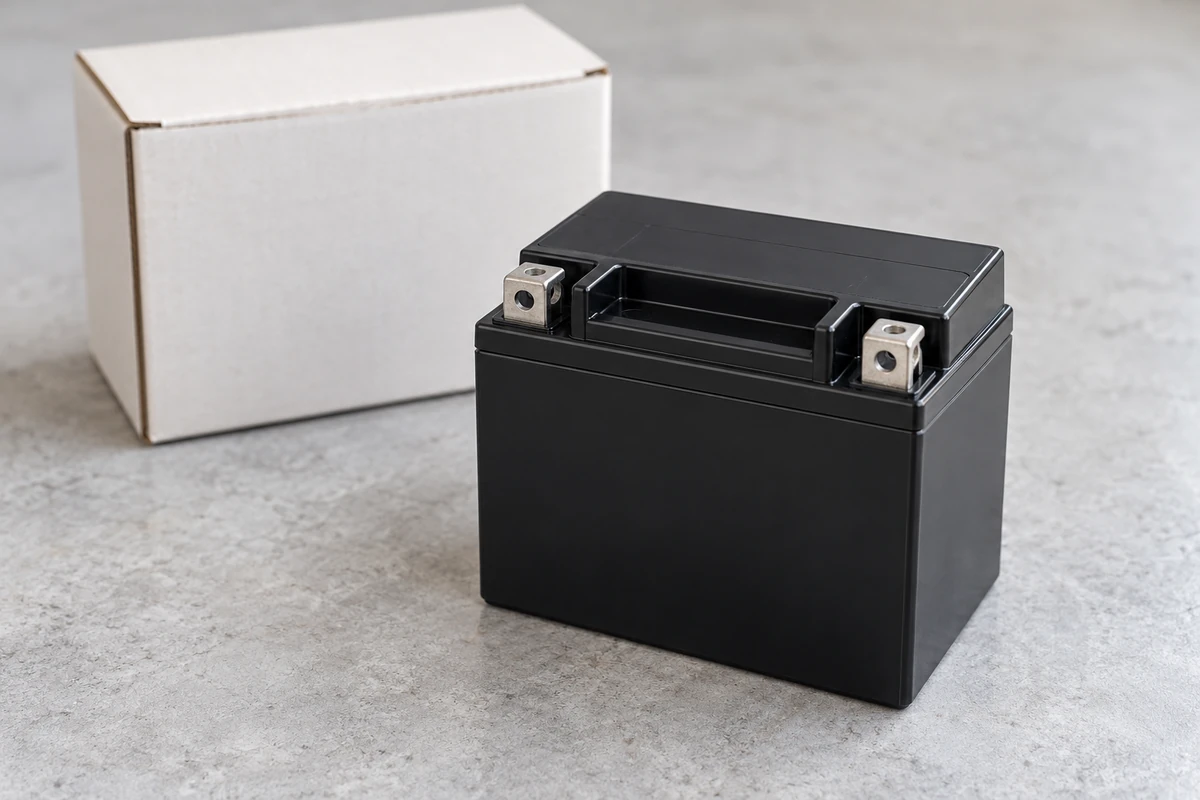
Compare the ordered AGM supply state with delivered identity, existing seal records and activation provenance without charging or opening the battery.
Read article: AGM Battery Receipt: Reconcile the Activation State→ -
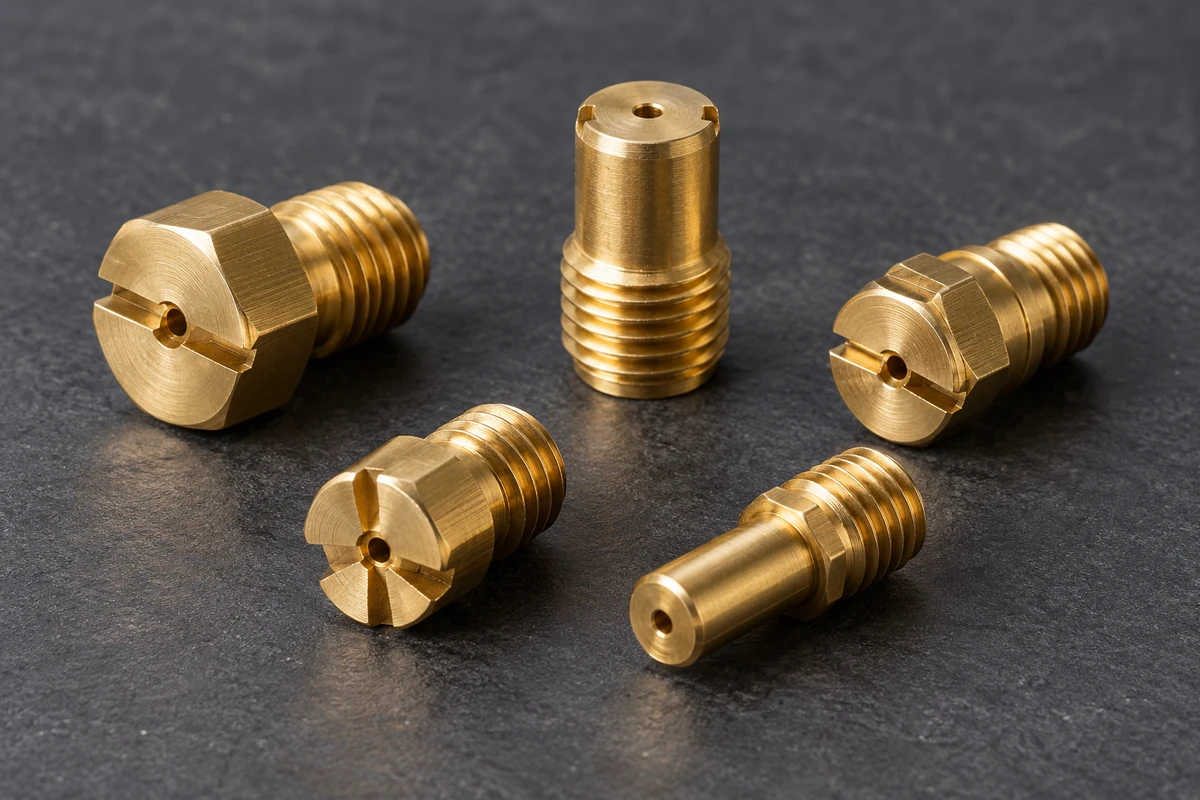
Match delivered jet markings to the approved list while keeping unreadable stamps, maker numbering and actual flow evidence distinct.
Read article: Carburetor Jet Receipt: Preserve Stamps and Traceability→ -
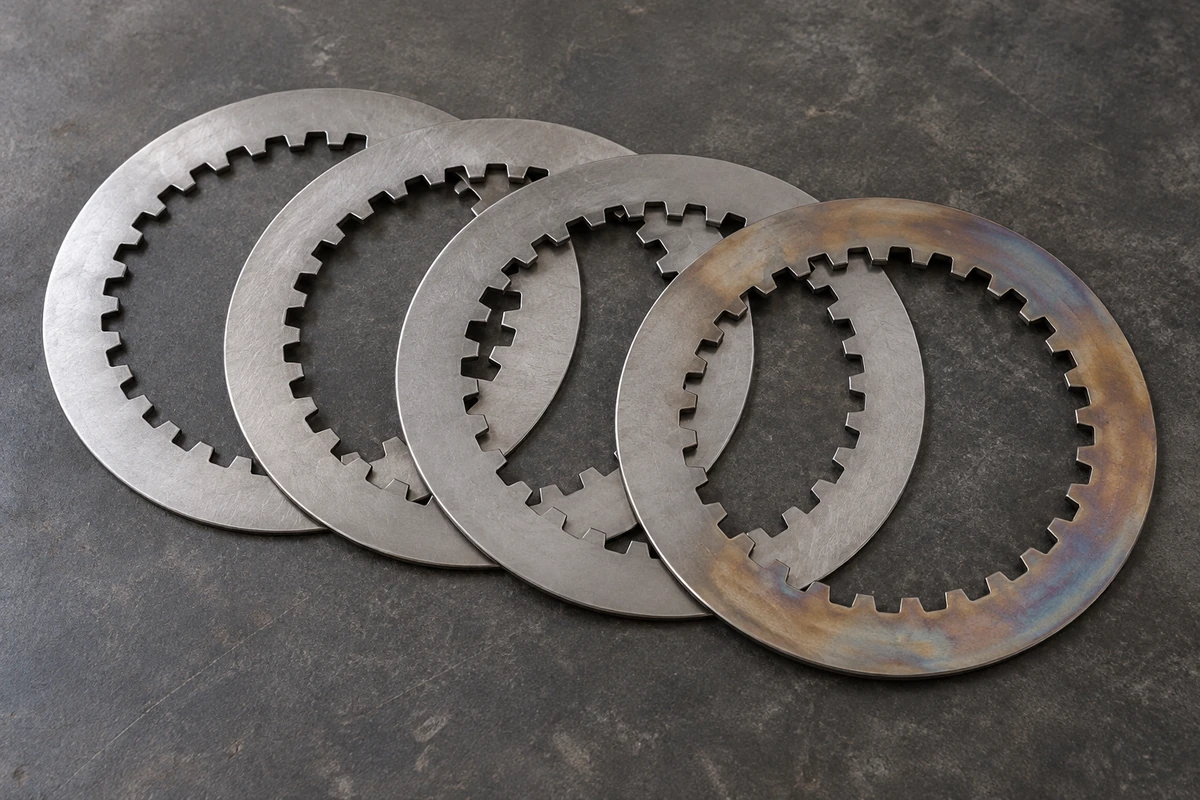
Keep documented plate-thickness discrepancies and heat-mark observations on separate receipt records against the approved plate schedule.
Read article: Clutch Steel Plate Receipt: Separate Size and Heat Concerns→ -
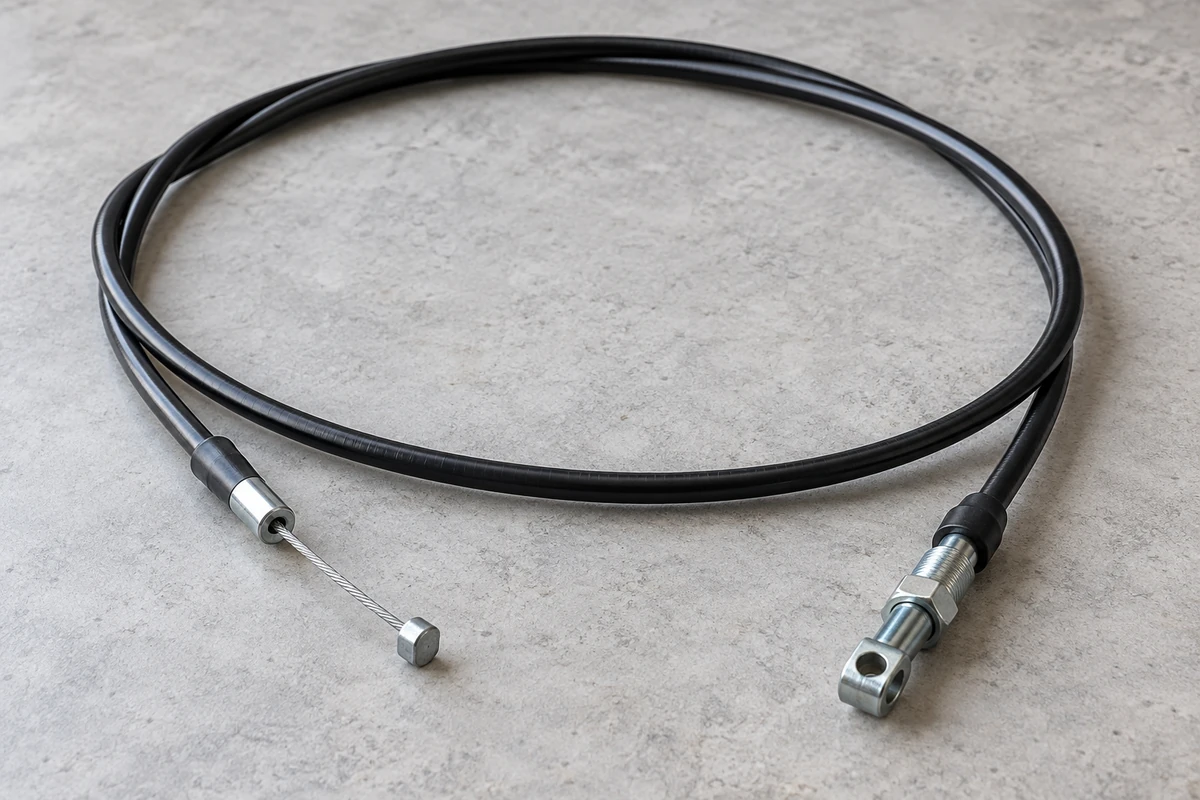
Record cable housing and end-fitting concerns independently of the supplied lubrication state so the supplier answers the actual receipt issue.
Read article: Control Cable Receipt: Separate Dry Supply and Damage→ -
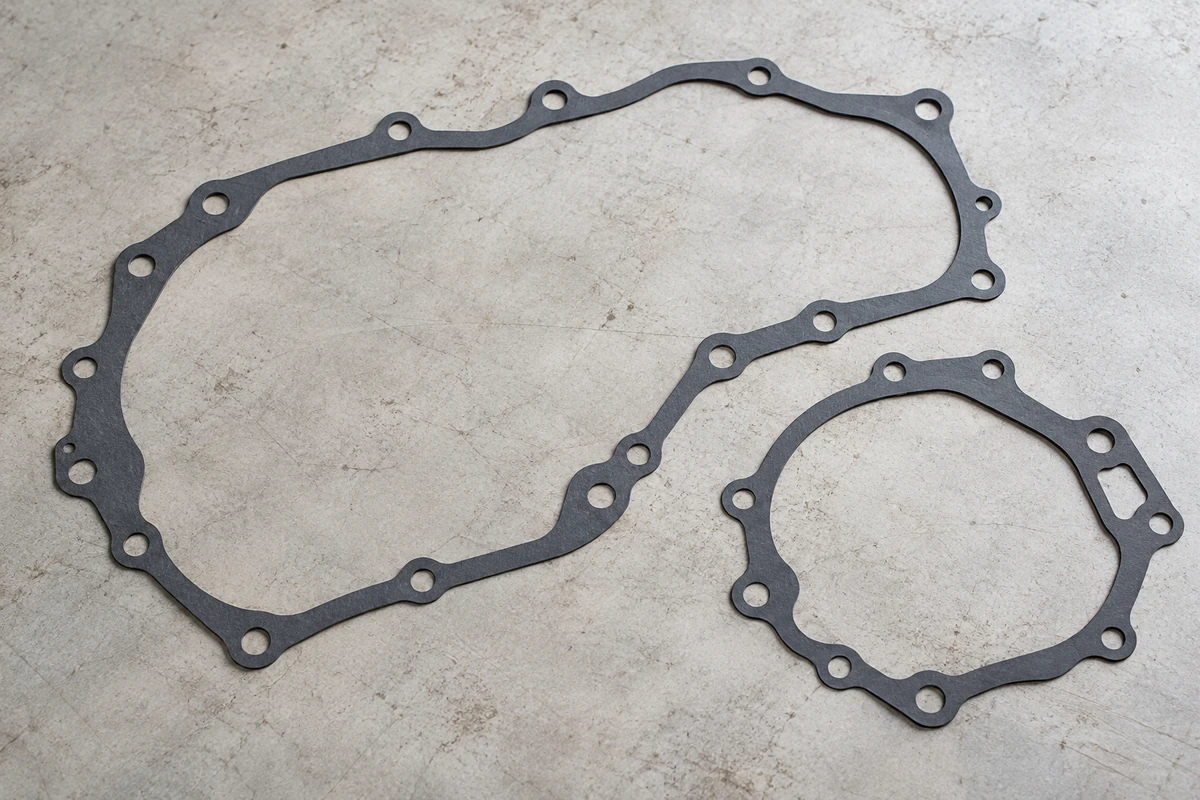
Reconcile a gasket’s specified material and bonded surface layer before treating an unexplained patch as contamination or scraping it away.
Read article: Engine Case Gasket Receipt: Preserve Coating Evidence→ -
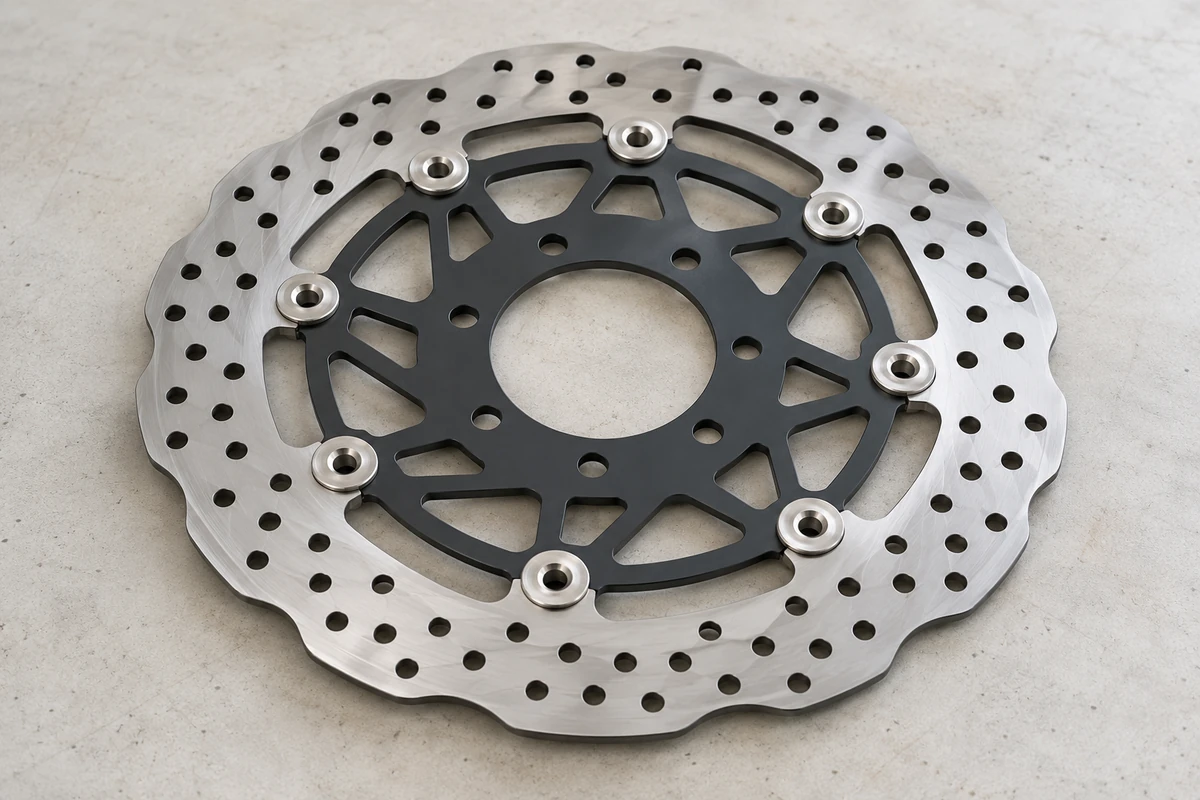
Keep a delivered rotor’s reported joint movement tied to its exact design instead of accepting a generic floating-disc explanation.
Read article: Floating Rotor Receipt: Request a Design-Specific Answer→ -
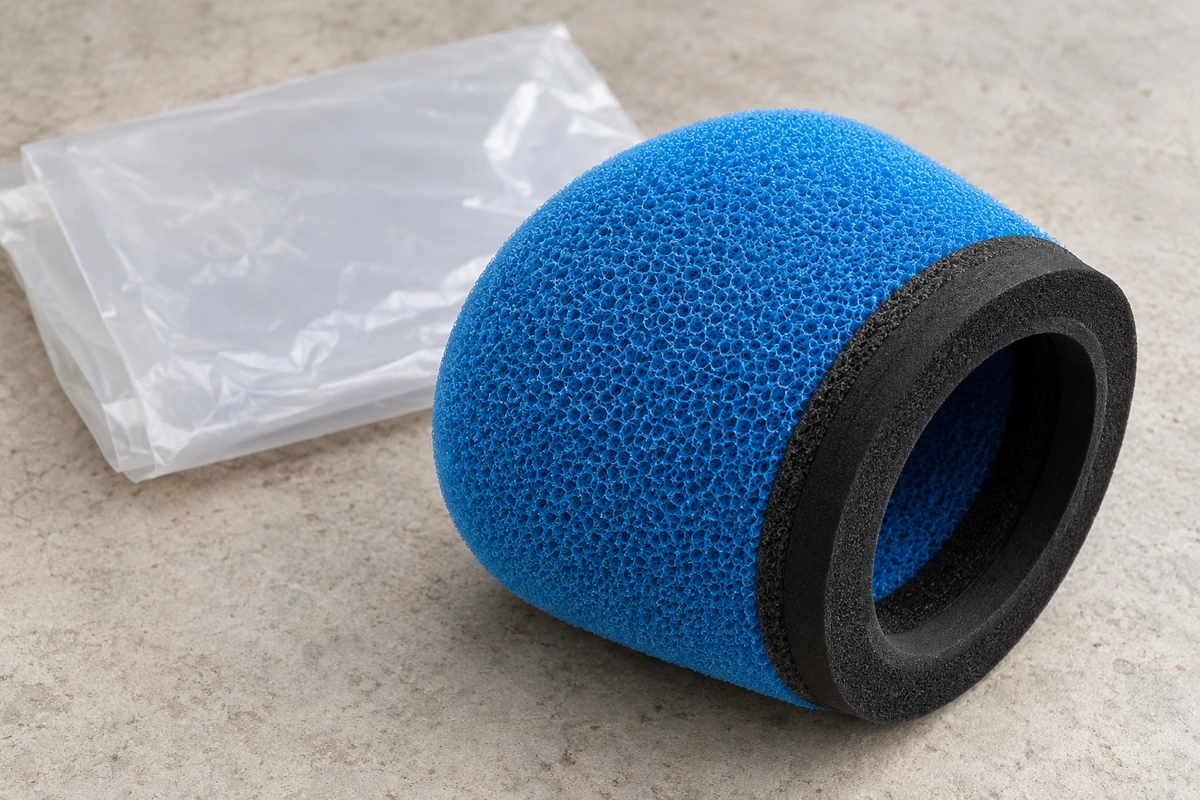
Resolve dry-versus-pre-oiled foam filter deliveries using the order, bag identity and treatment record without washing or adding oil.
Read article: Foam Filter Receipt: Verify the Pre-Oiled Supply State→ -
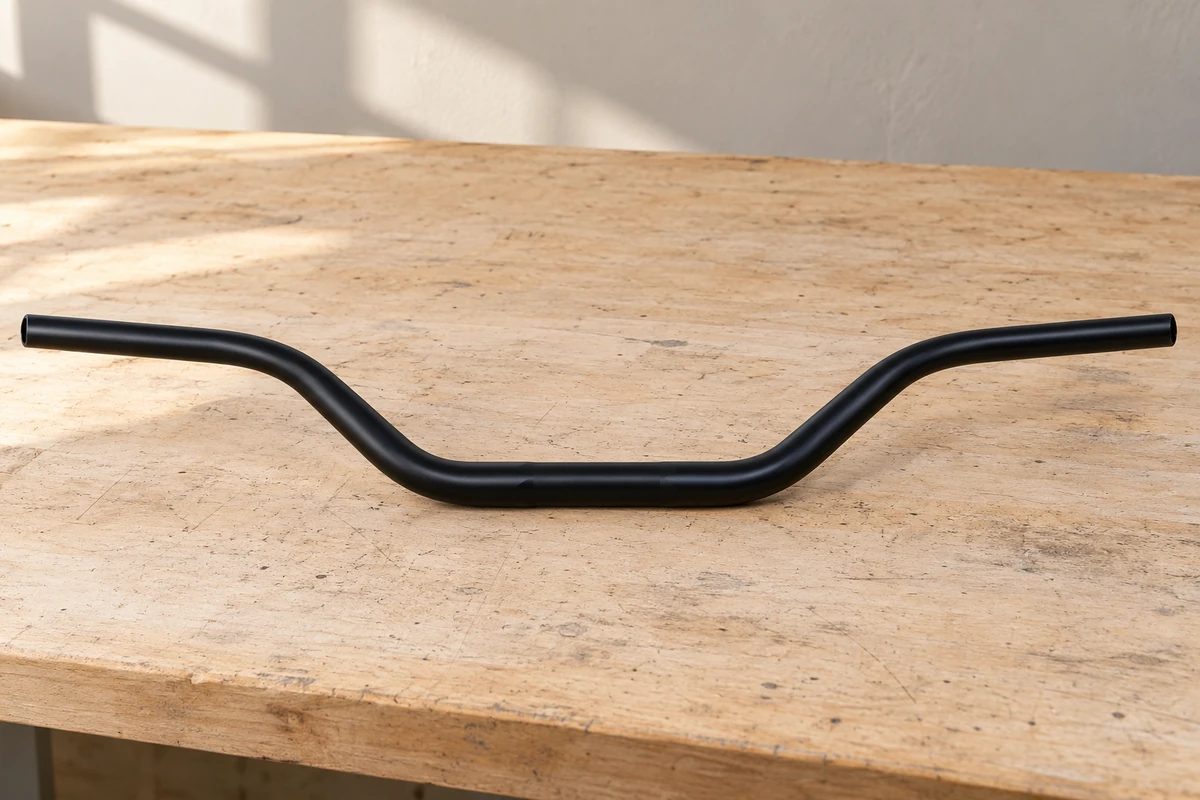
Keep an unexplained hole, mark or declared straightening history tied to the ordered handlebar state and applicable maker instructions.
Read article: Handlebar Receipt: Document Unexplained Alterations→ -
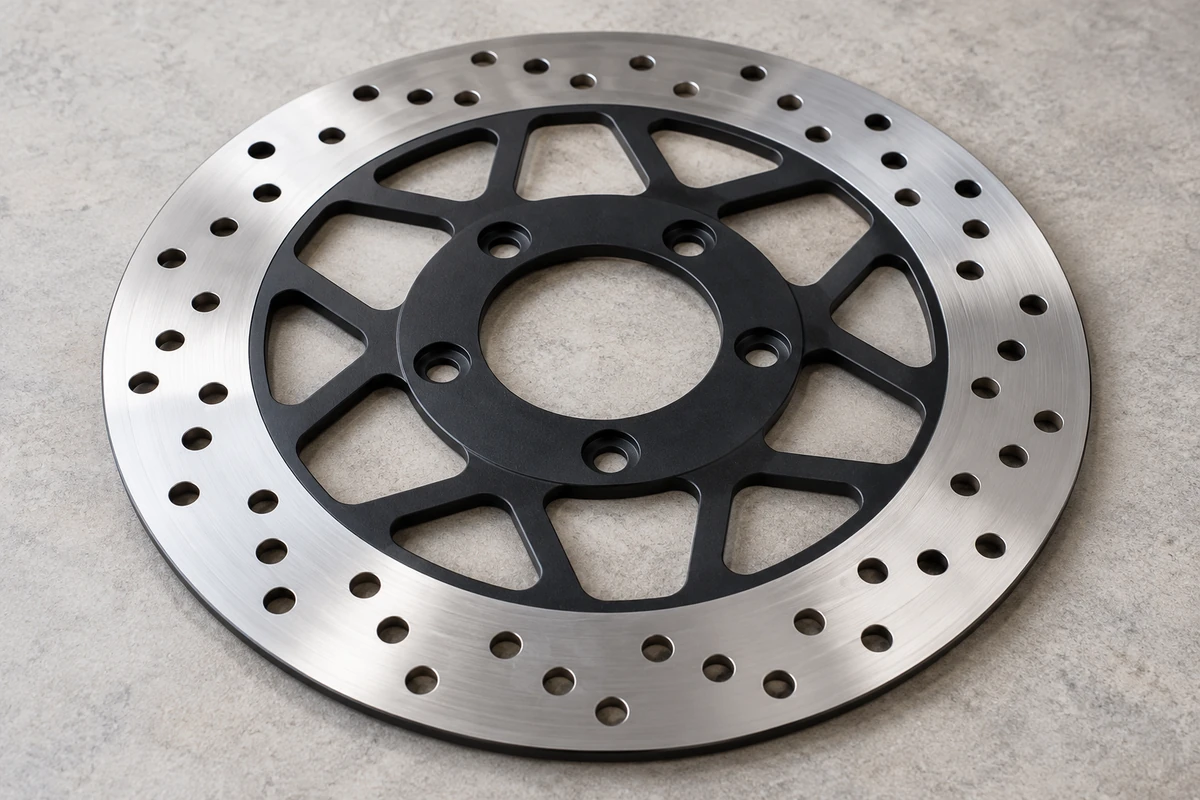
Check whether a supplier’s finish explanation applies to the rotor hub or braking ring before closing a delivered surface concern.
Read article: Motorcycle Rotor Receipt: Identify the Surface Zone→ -
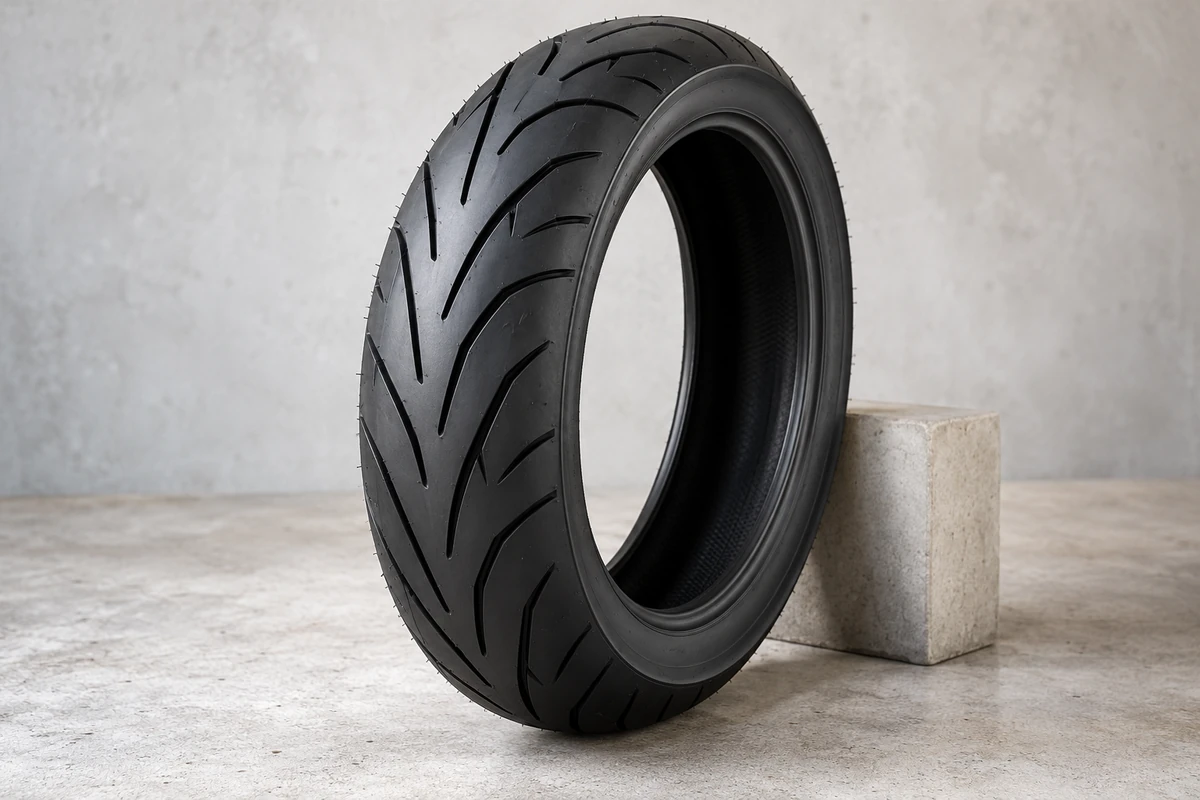
Check an agreed tire-age requirement alongside storage history, keeping date evidence separate from condition and specialist assessment.
Read article: Motorcycle Tire Receipt: Separate Age and Storage Evidence→ -
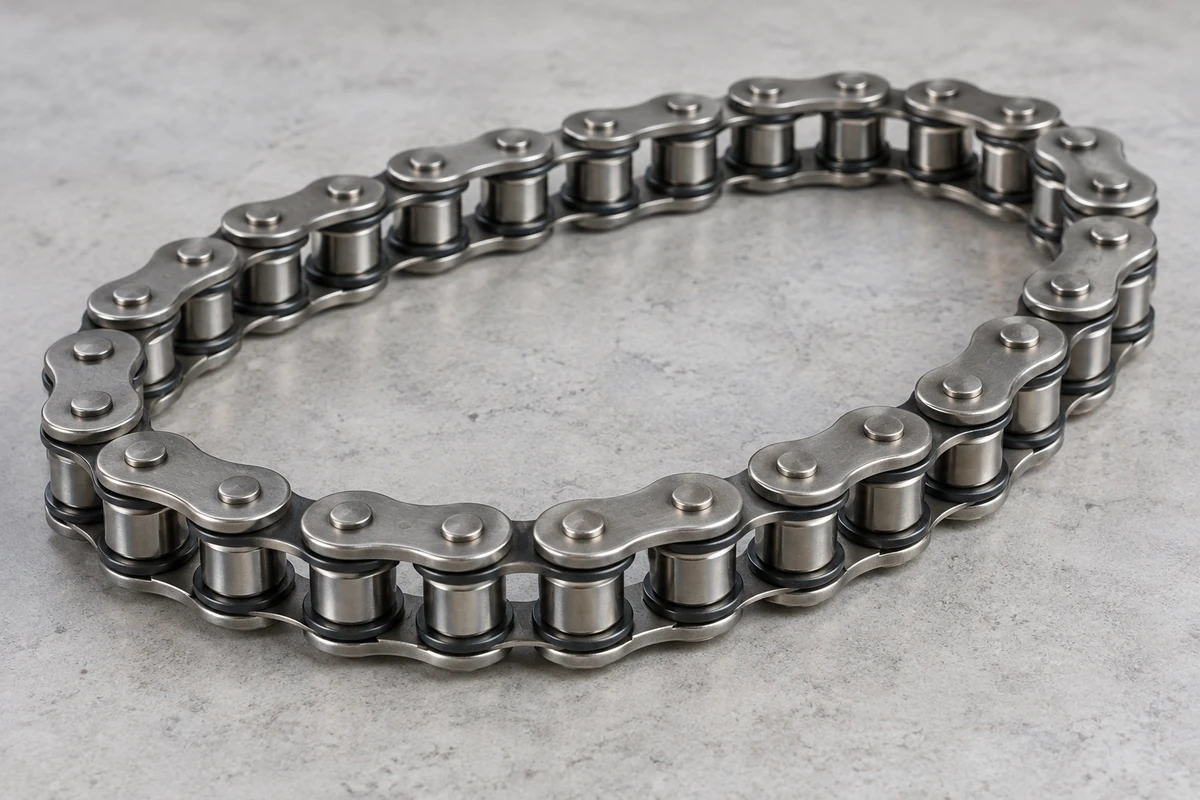
Keep missing-ring, residue and reported stiffness observations separate when asking a supplier to assess an already specified sealed chain.
Read article: Sealed Chain Receipt: Record Ring and Stiffness Concerns→ -
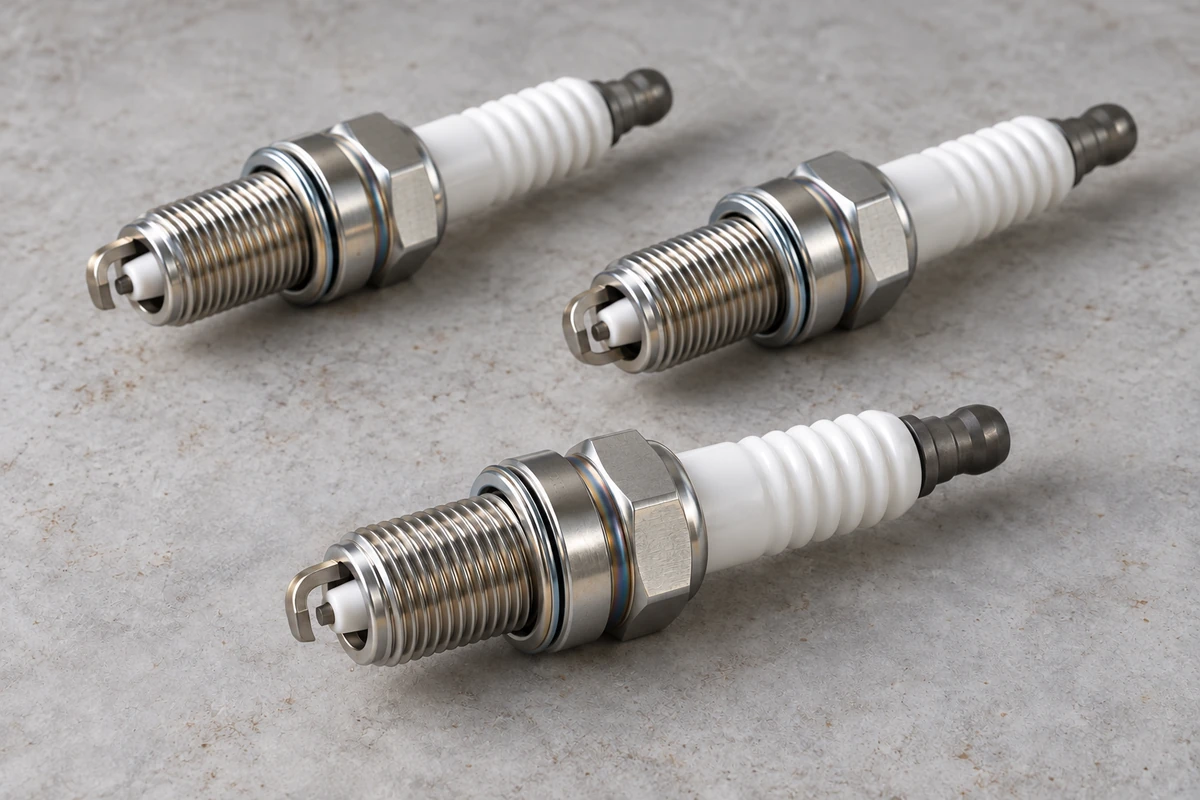
Preserve plug-to-package links, purchase records and specific inconsistencies for an origin review without declaring authenticity from appearance.
Read article: Spark Plug Receipt: Build a Traceable Origin Query→ -
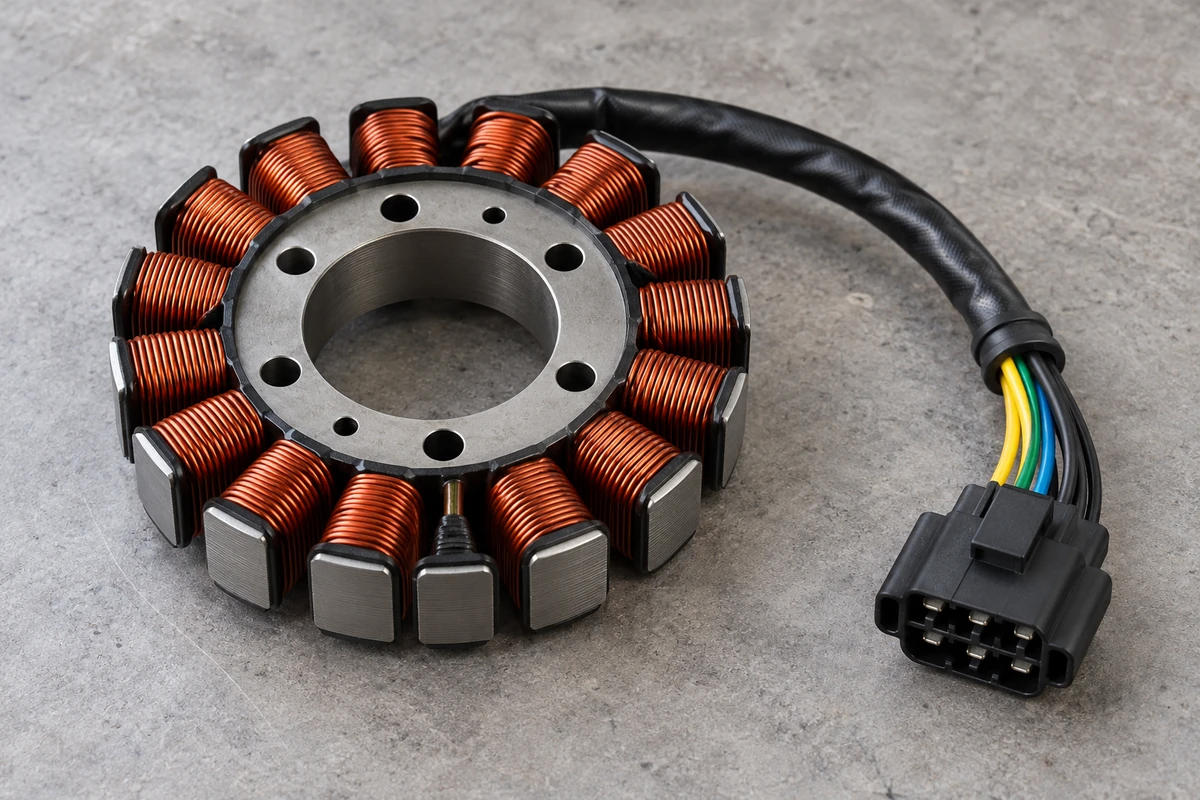
Compare the sent stator assembly, authorized work and returned elements before closing a rebuild receipt or accepting unexplained changes.
Read article: Rebuilt Stator Receipt: Reconcile the Returned Assembly→ -
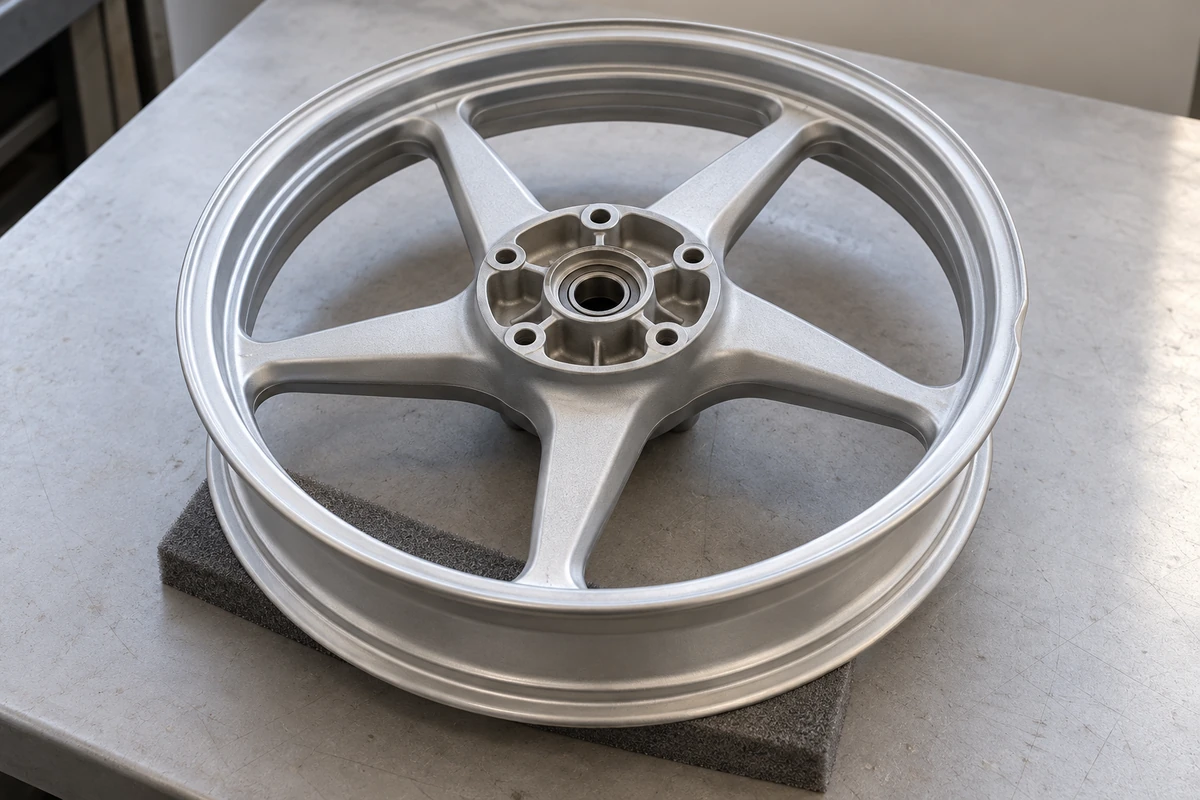
Separate a price credit for wheel appearance from a competent assessment of an identified rim dent and the actual affected unit.
Read article: Motorcycle Wheel Receipt: Keep Rim Dent Assessment Open→ -
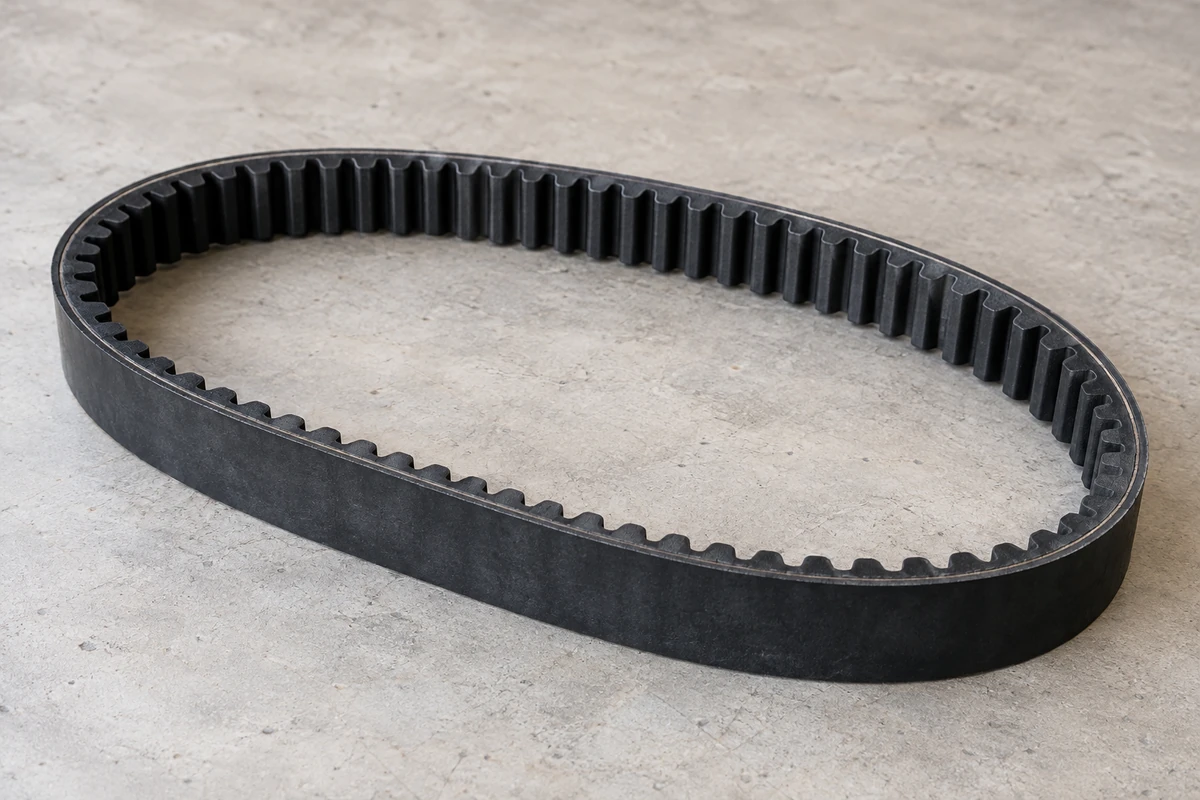
Keep a CVT belt’s as-arrived folding or bundling evidence when seeking assessment; a smooth surface cannot establish internal cord condition.
Read article: CVT Belt Receipt: Preserve a Reported Folding Event→ -

Turn a generic bodywork request into a component schedule and a physical-reference sample brief that suppliers can answer line by line.
Read article: Motorcycle bodywork RFQ: specify panels, color and finish→
