Site home Blog 1688 Moto Parts
Buying notes Practical tutorials for quote requests, specification checks, receiving and shipping.
After the battery’s supply and activation provenance are established, distinguish fill-and-seal evidence from the separately documented initial charge.
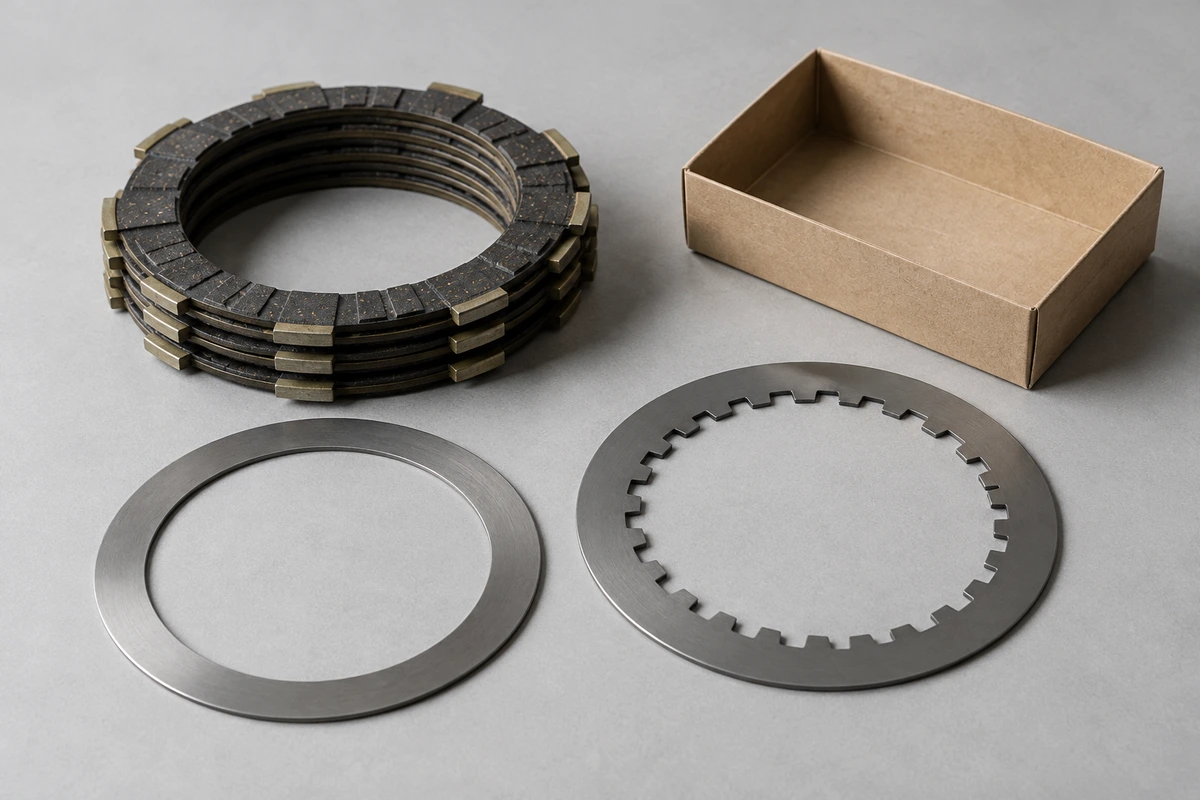
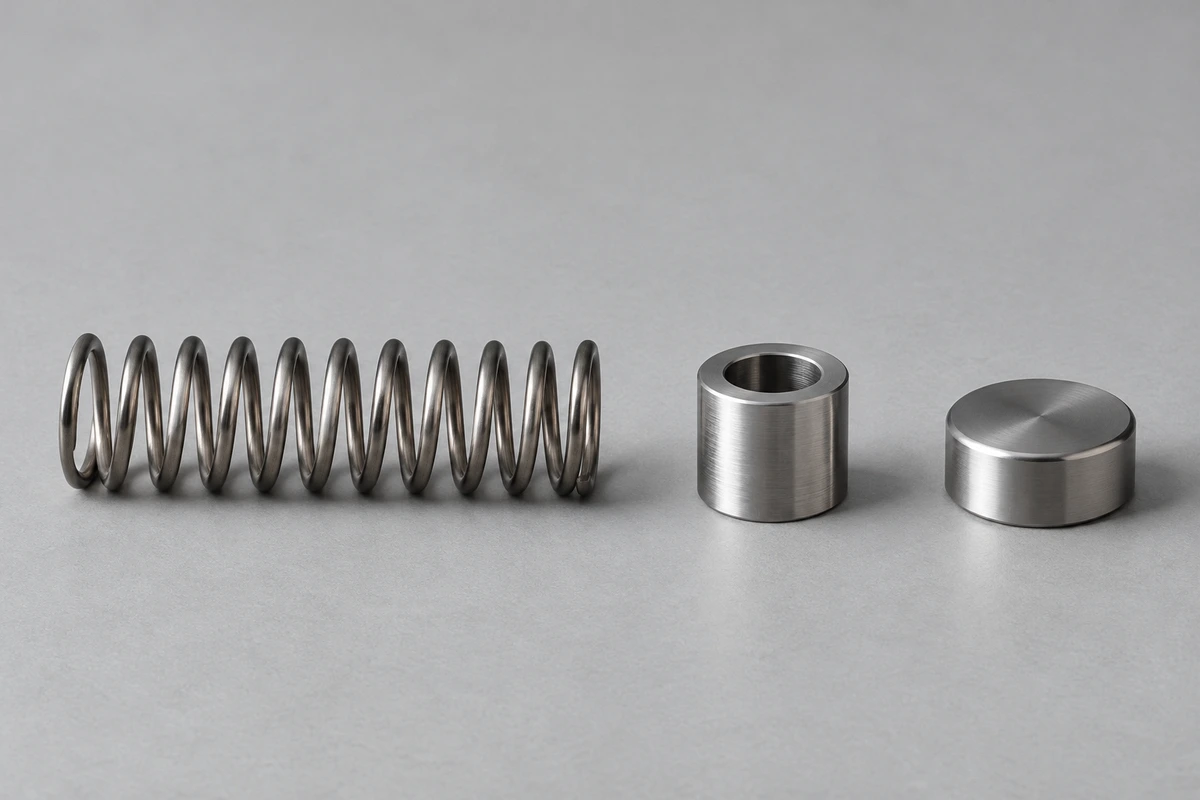
Read article: AGM Handover: Identify Evidence of the Initial Charge → Reconcile returned auxiliary clutch hardware with the exact kit instructions and installer record before calling an omitted or loose item a shortage.
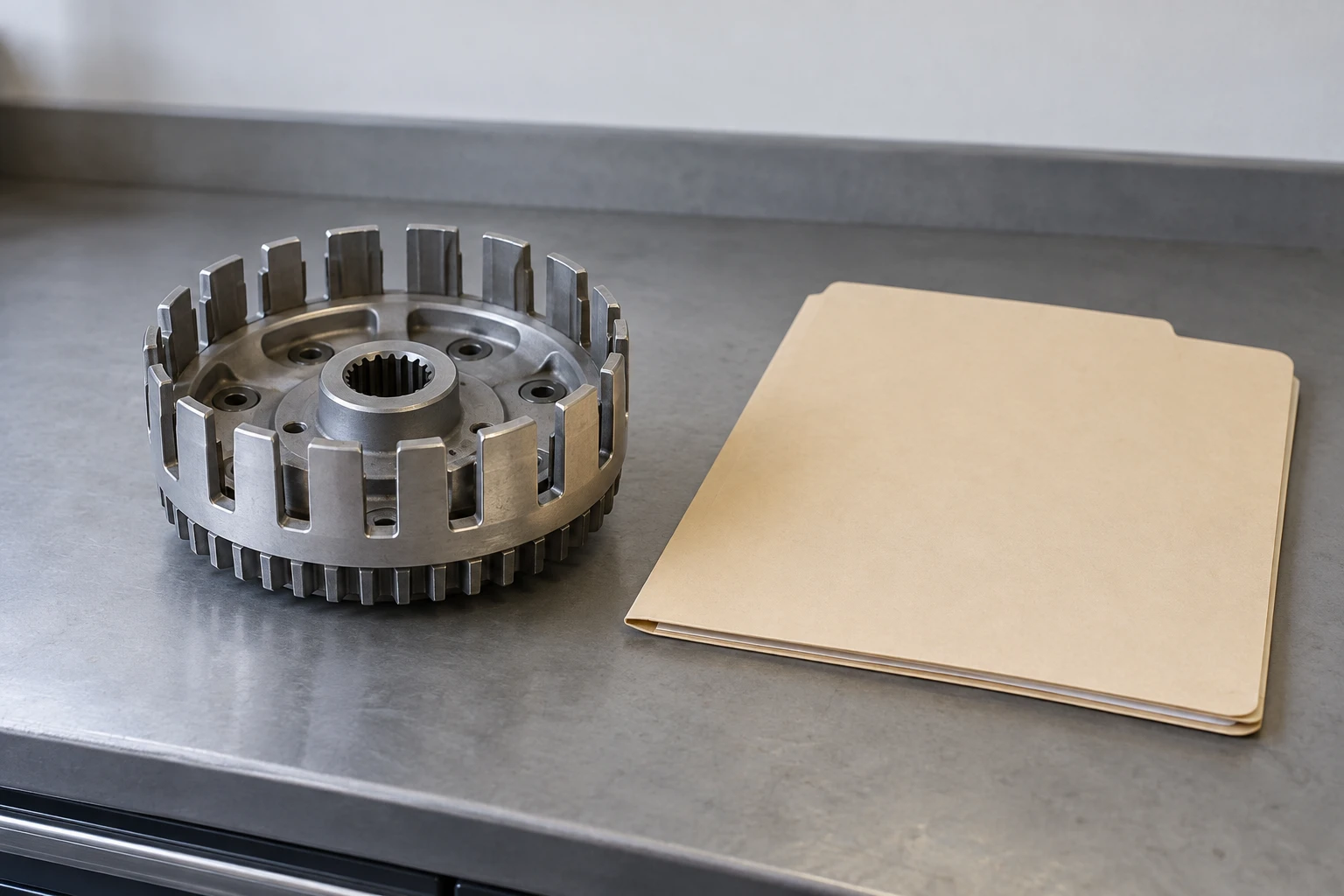
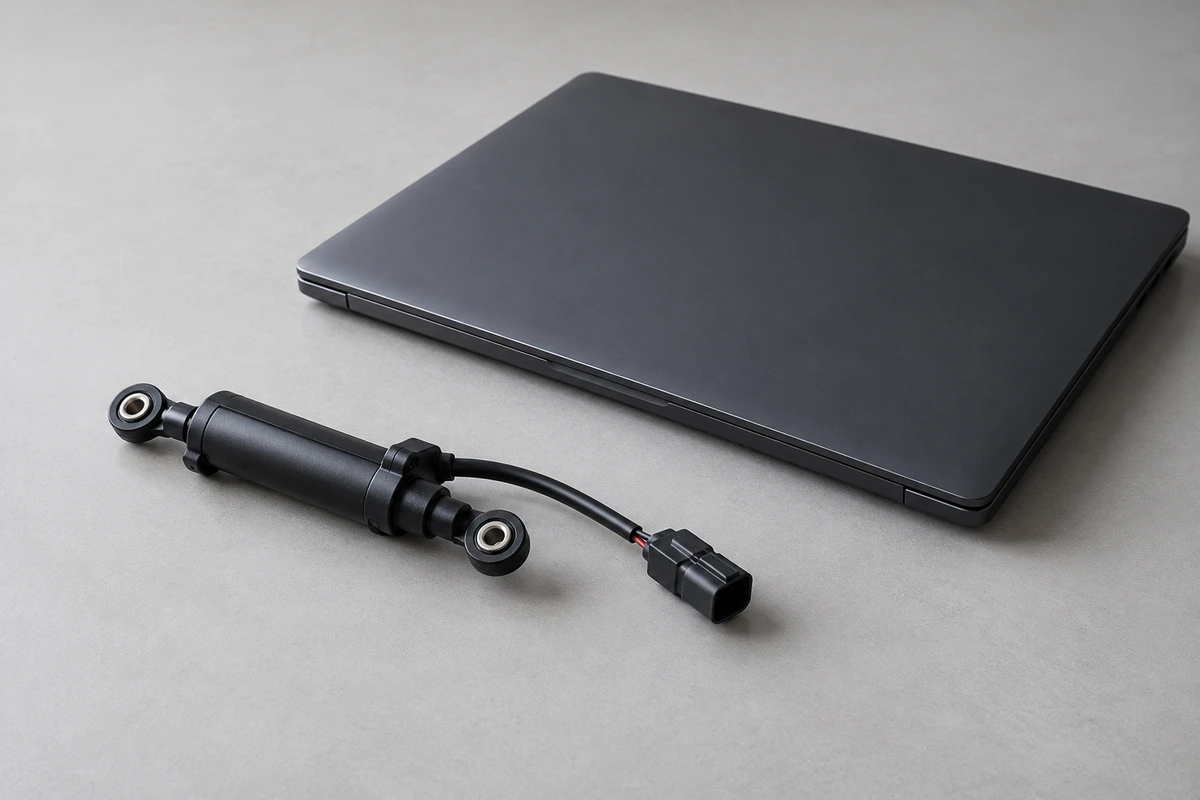
Read article: Clutch Handover: Account for Judder Hardware Disposition → Identify which record addresses the retained damper assembly when a sleeve event is used to support a broader clutch-basket closeout.
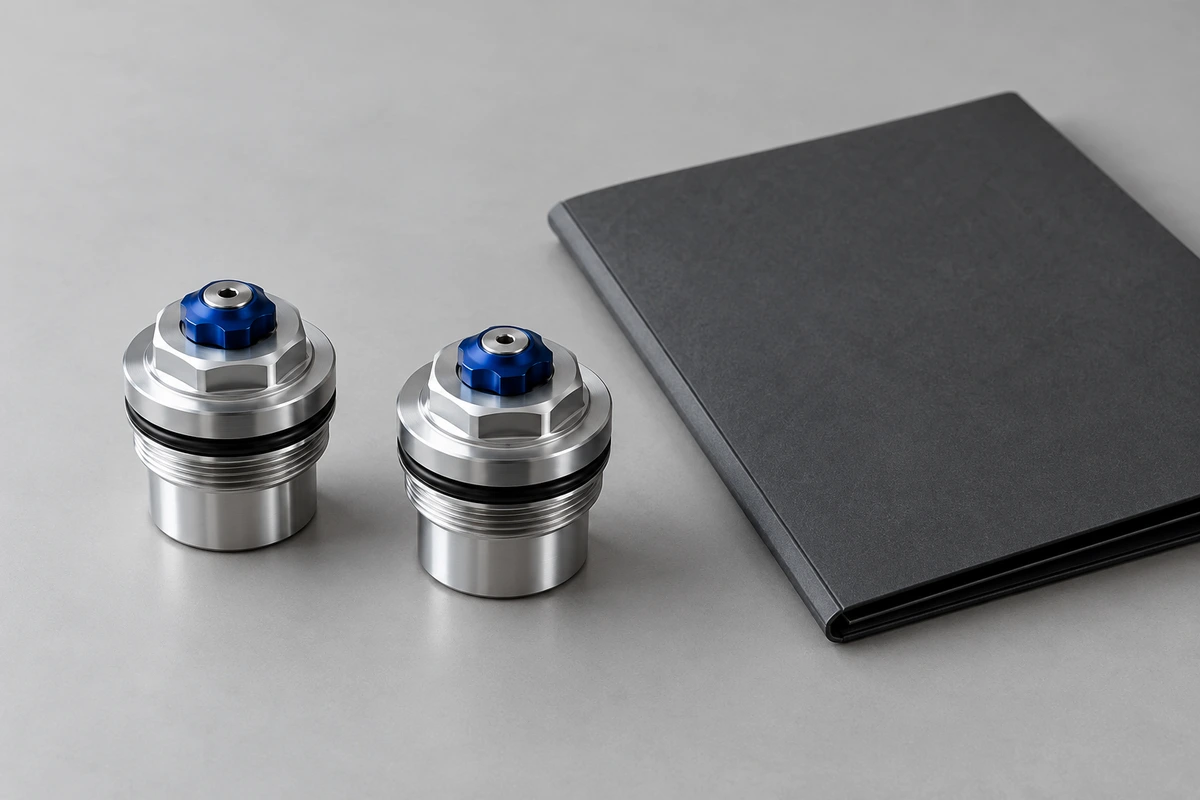
Read article: TorqDrive RMS-2813031 Handover: Sleeves and Damper Evidence → Identify the control, indexing convention and provider-declared reference behind a returned fork-cap setting without converting it into adjustment advice.
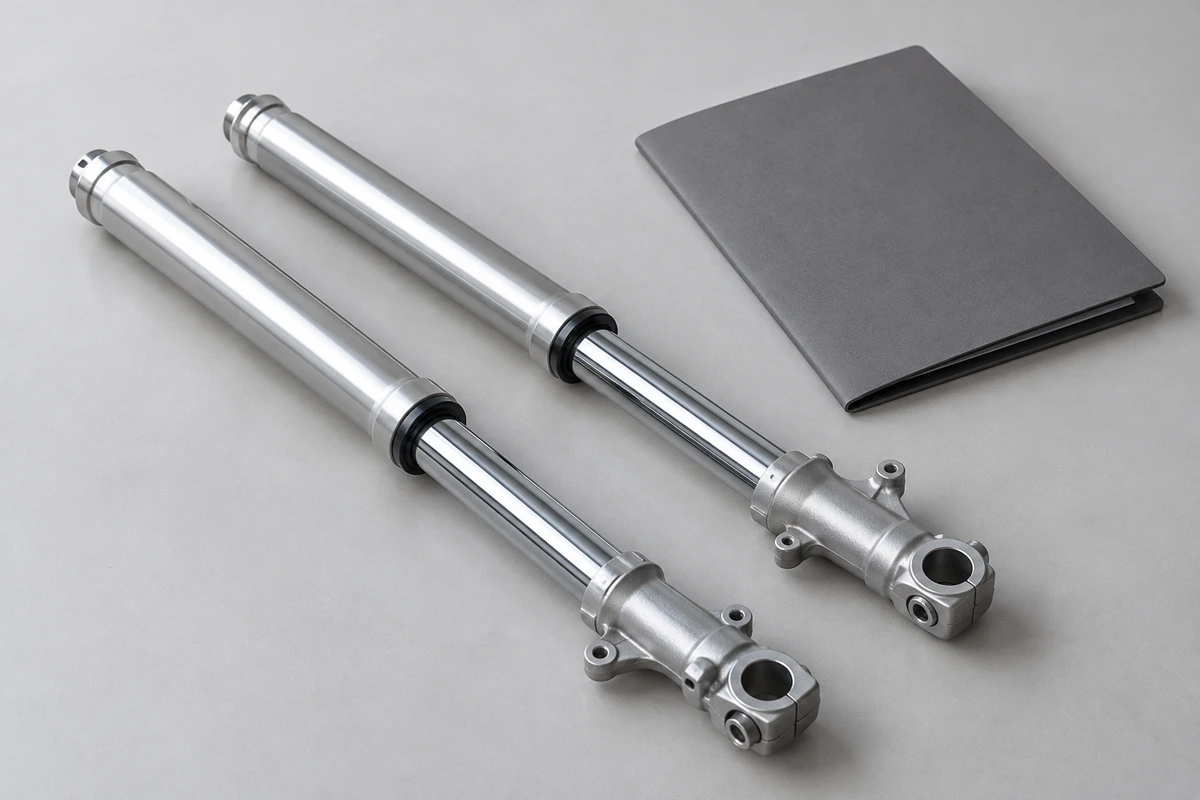
Read article: Fork Cap Handover: Decode the Adjuster Index → Distinguish oil-height records, volume entries and method references for covered open-chamber forks without inventing a fill or conversion rule.
Read article: Fork Oil Records: Keep Height With Its Method → Distinguish the supplied modified base from an expressly promised OEM-origin archive, with provider-supported provenance and delivery records.
Read article: PV3 Gen 2 Handover: Bundled Base or OEM Archive? → Keep rider, equipment and extension-reference context with a returned sag record so a different load case is not mistaken for the same result.
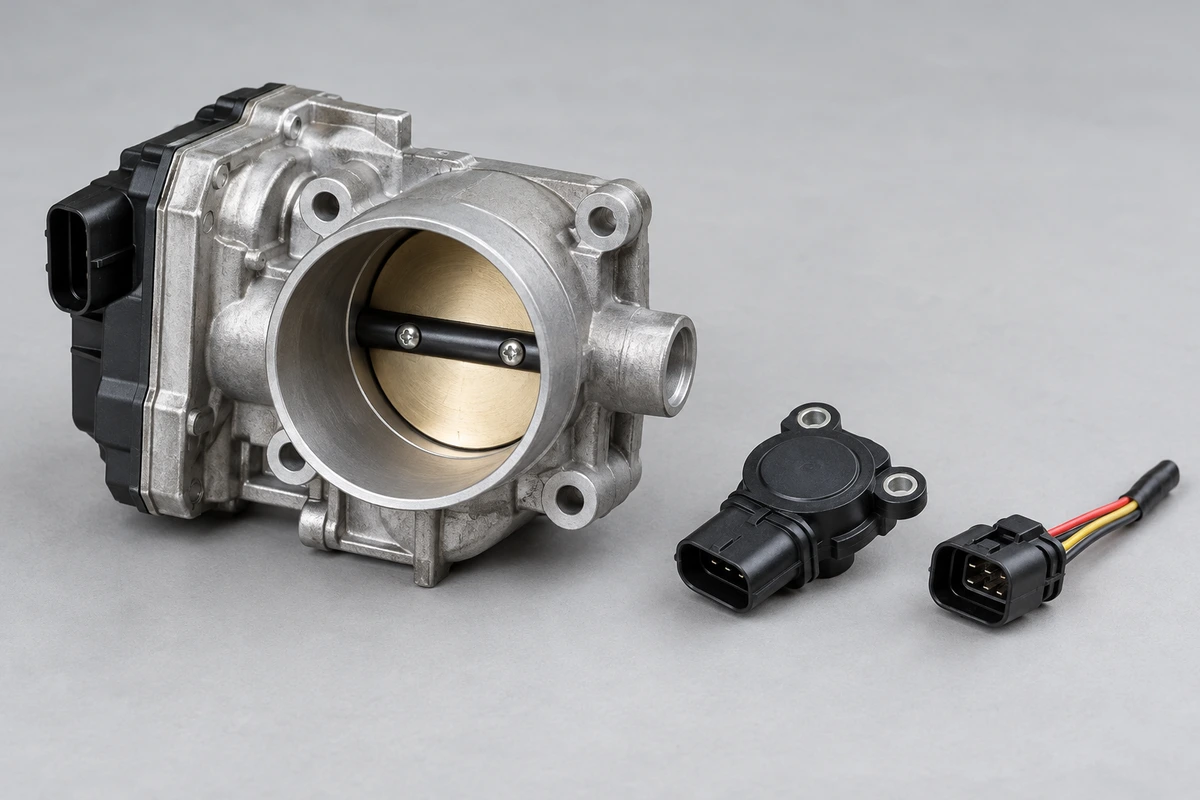
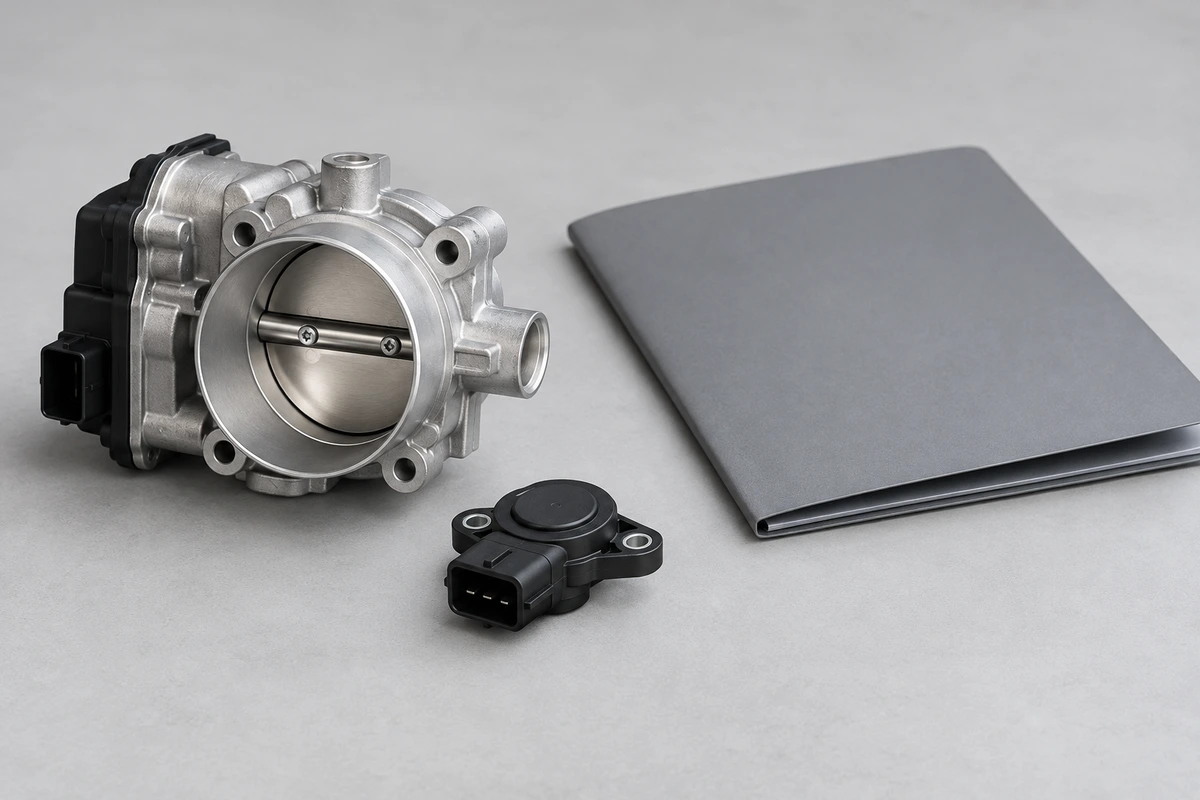
Read article: Suspension Sag Handover: Identify the Recorded Load Case → Distinguish a provider-declared installed throttle-body combination from the alternative parts still present in the supplied kit.
Read article: Throttle Body Handover: Record the As-Built Combination → Connect the provider’s pre-work TPS reference to its post-work restoration record without turning a historical reading into a universal sensor setting.
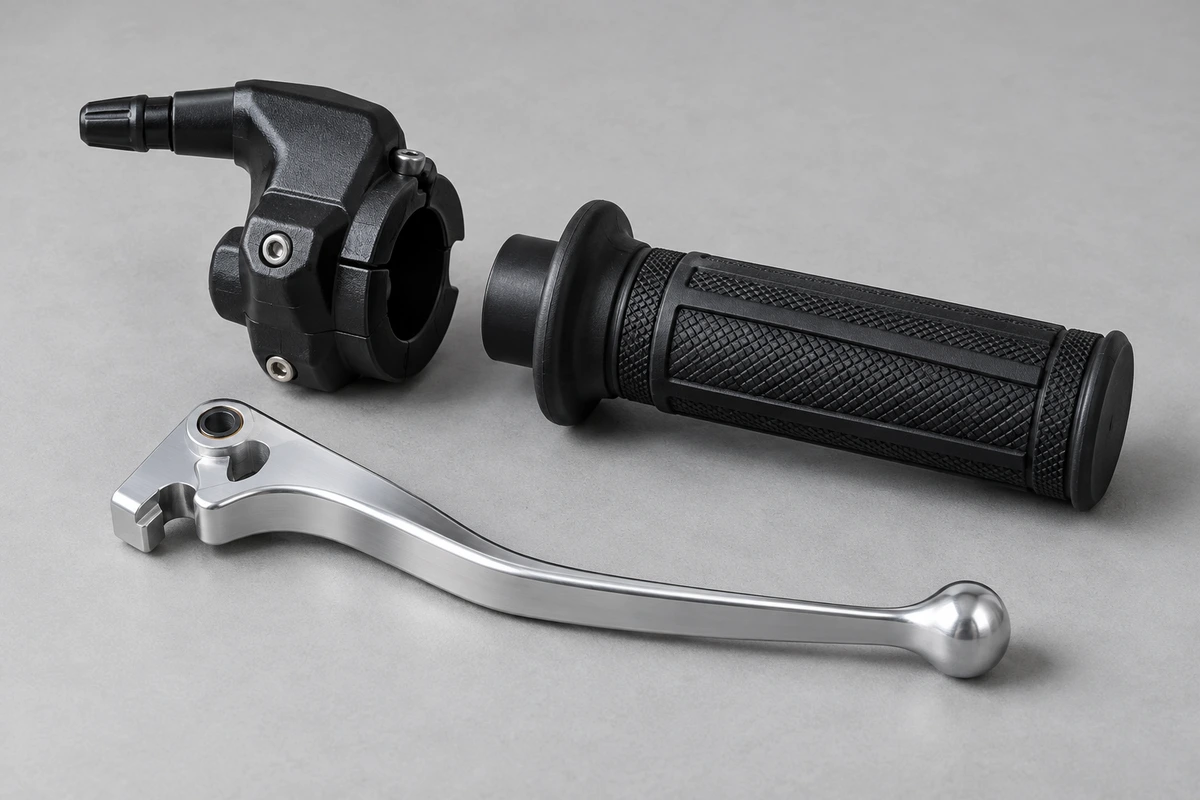
Read article: Throttle Body Handover: Preserve the TPS Reference Lineage → Ask whether the qualified completion record addresses the adjacent brake lever and actual control configuration, rather than only the replaced throttle.
Read article: Throttle Handover: Retain the Brake-Lever Interface Evidence → Retain an attributable prior-direction record for a removed belt without confusing wear history with an inherently directional product design.
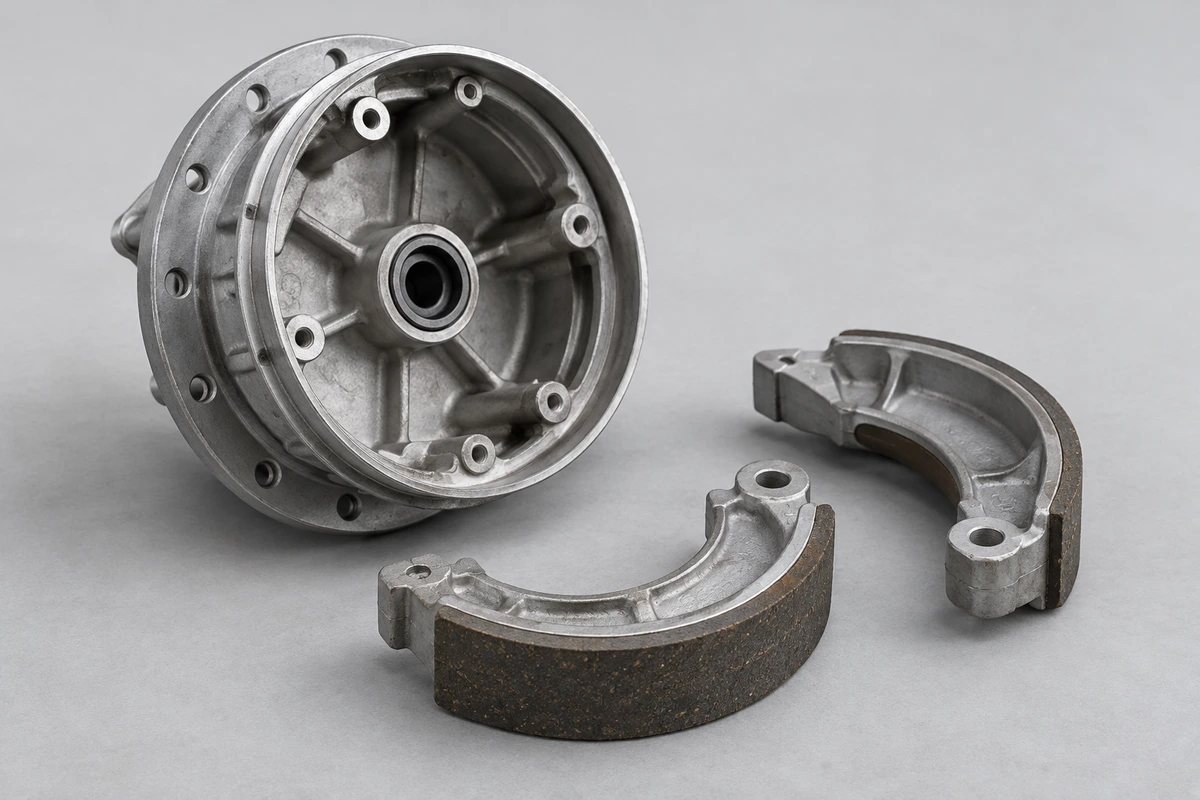
Read article: Used CVT Belt Handover: Preserve Prior Running Direction → Connect a serviced drum with the shoe and backing-plate assembly matched to it, including the wheel-work event that defines the relationship.
Read article: Drum Brake Arcing Handover: Preserve the Matched Assembly → Reconcile a handed-over cleaner recommendation with the identified sealed-chain maker’s guidance before carrying it into the recipient’s care record.
Read article: Sealed Chain Handover: Resolve Conflicting Care Chemistry → Preserve a software utility’s negative applicability statement alongside the actual controller identity instead of treating a downloaded file as approved.
Read article: Quickshifter Handover: Check the Utility’s Explicit Exclusion → Resolve relaxed versus actual fork preload in returned service records before comparing numbers or treating a changed label as changed work.
Read article: Fork Preload Handover: Preserve the Reference State →