1688 Moto Parts
Buying notes
Practical tutorials for quote requests, specification checks, receiving and shipping.
-
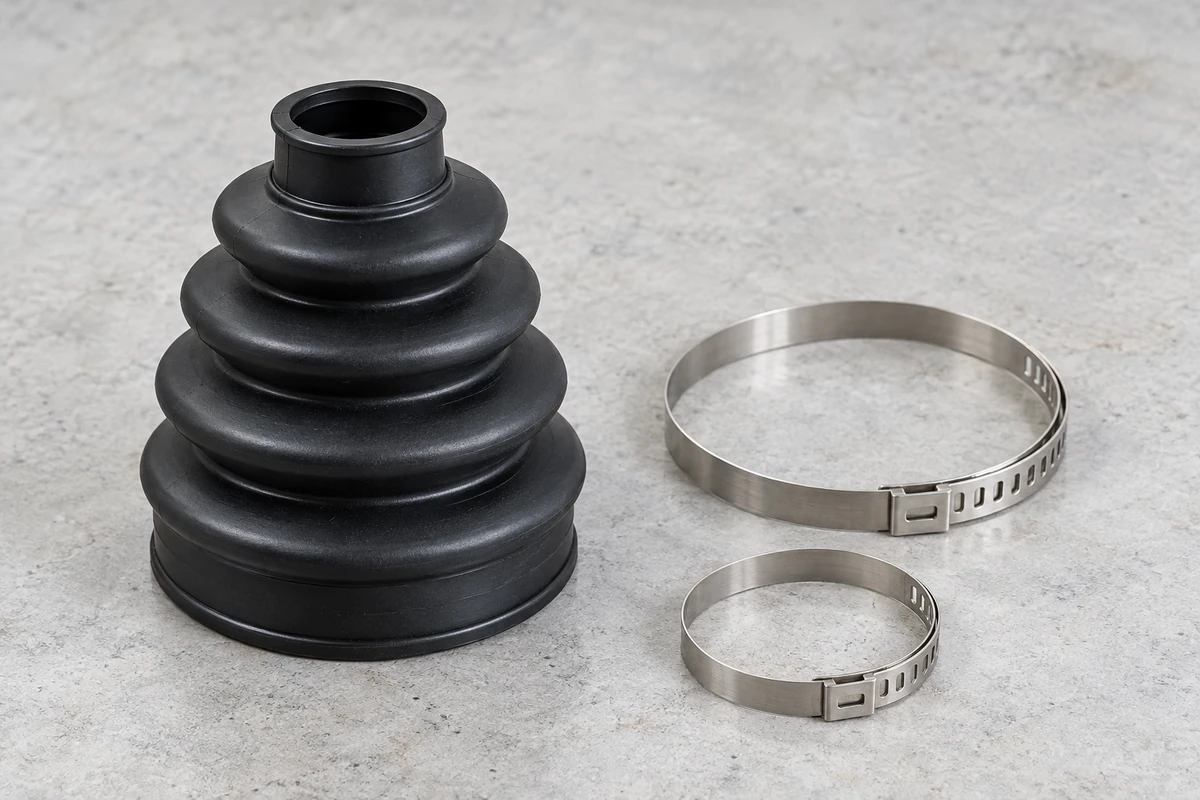
Separate a vehicle-specific CV-boot offer from a universal-product proposal and keep exact axle, joint and boot position evidence visible.
Read article: ATV CV Boot RFQ: Specific Fit or a Separate Universal Proposal?→ -
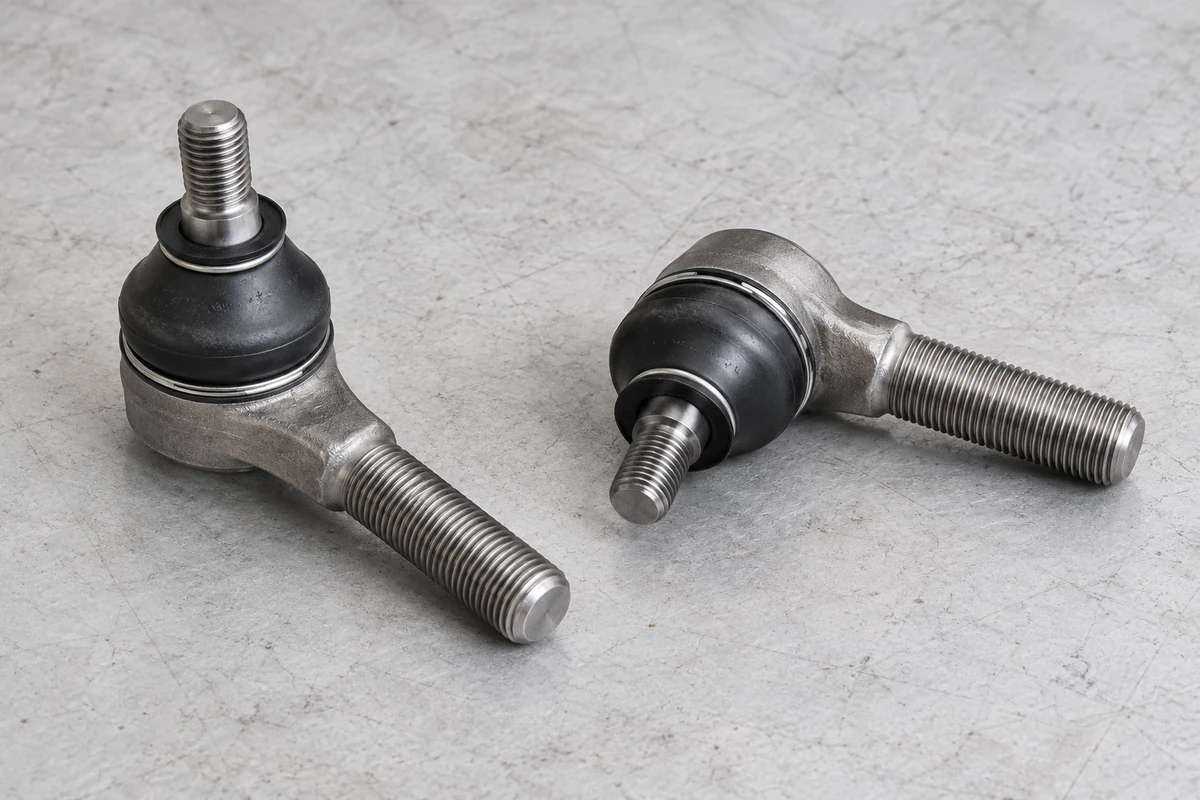
Keep the approved steering interfaces fixed in a replacement RFQ and identify any tie-rod upgrade as a separate integration proposal.
Read article: ATV Tie-Rod RFQ: Separate Replacement from an Upgrade→ -
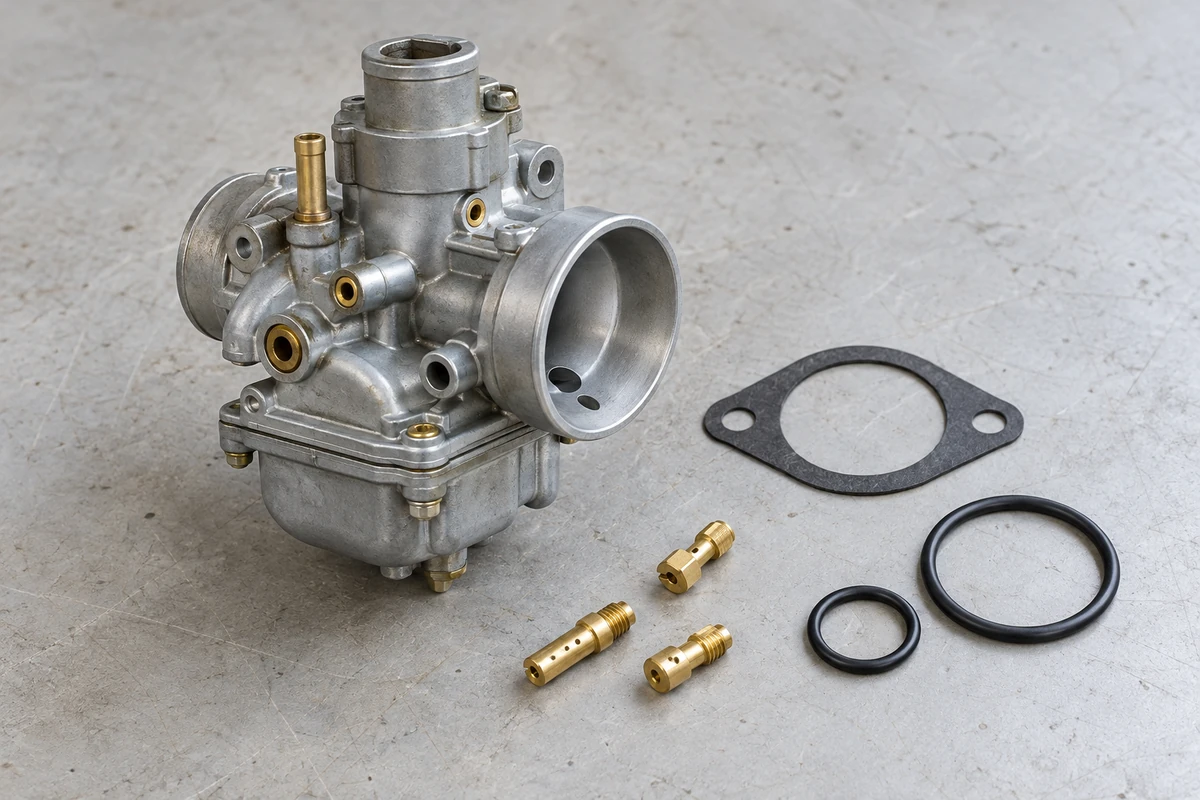
Identify the actual carburetor and market-specific calibration source before accepting a rebuild kit described for another market.
Read article: Carburetor Rebuild RFQ: Preserve Market and Calibration Scope→ -
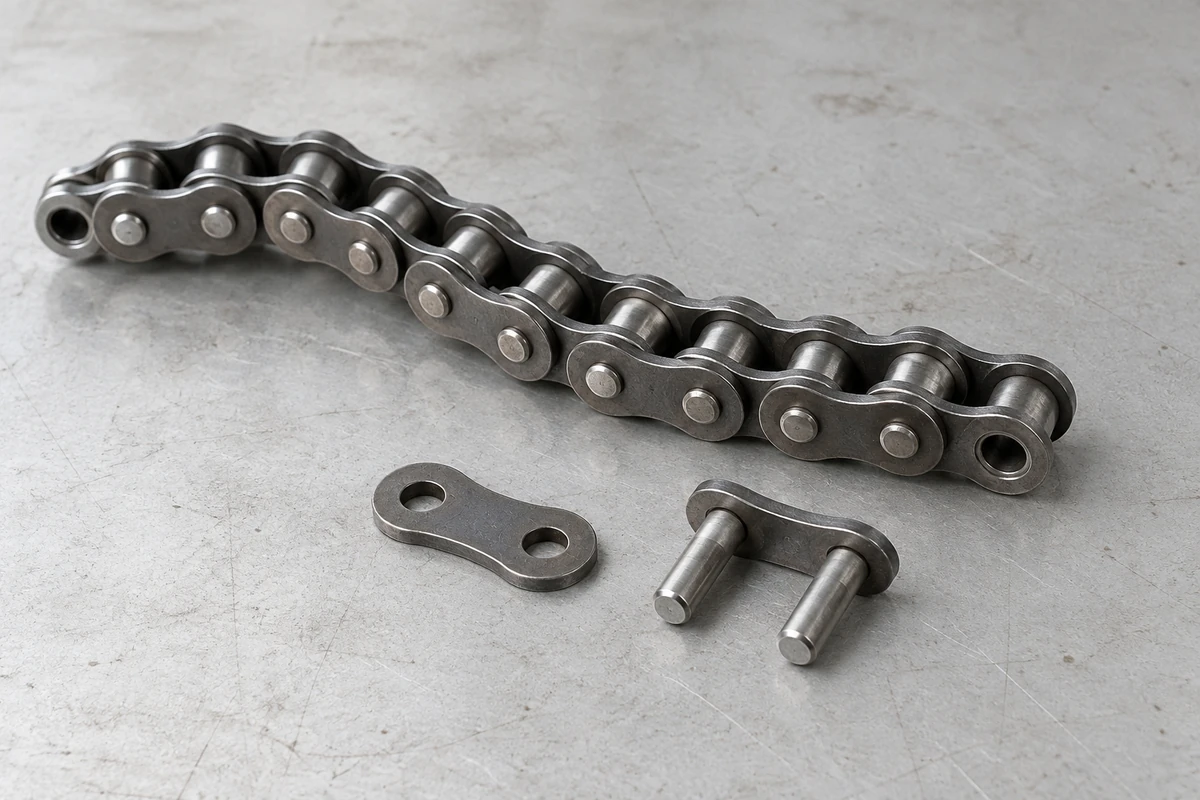
Identify the chain model, connecting-link series and joining style before comparing a link-only offer with a complete-chain proposal.
Read article: Chain Connecting-Link RFQ: Preserve the Exact Series→ -
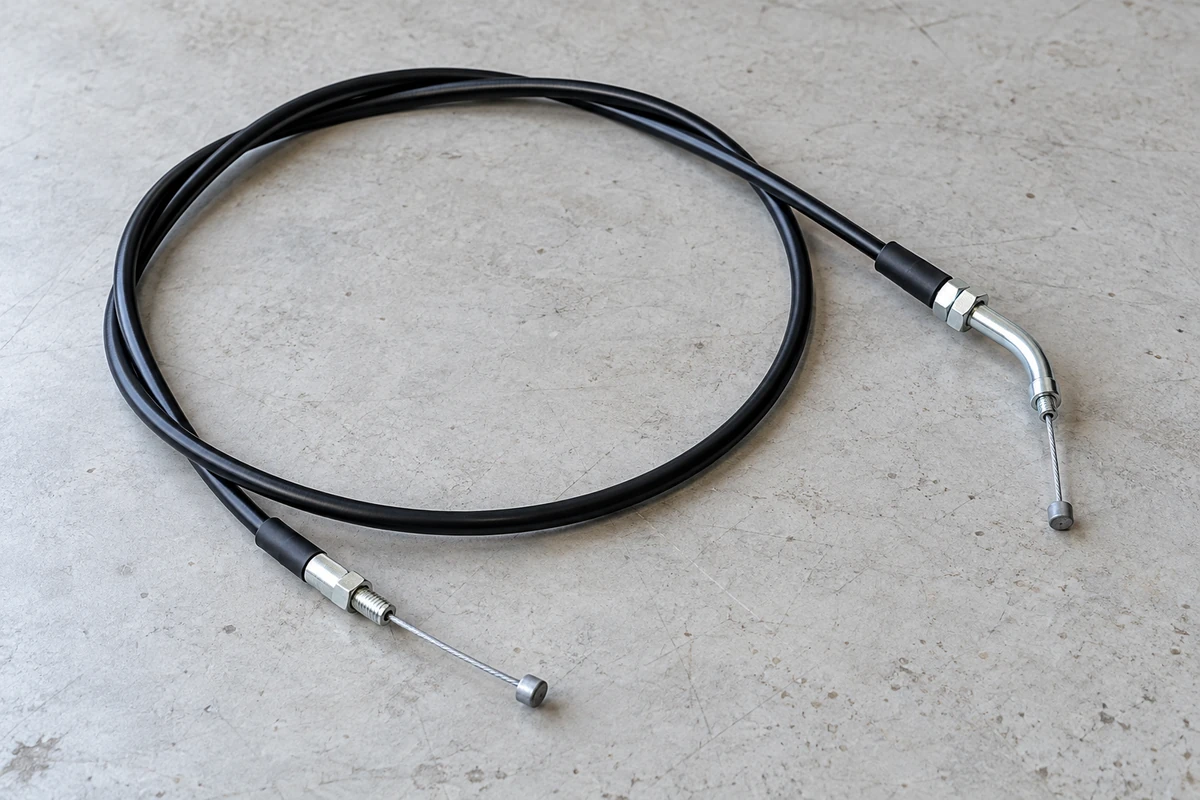
Give a custom throttle-cable supplier separate released housing and free-length datums, end-fitting details and adjuster references.
Read article: Custom Throttle Cable RFQ: Separate Housing and Free Length→ -
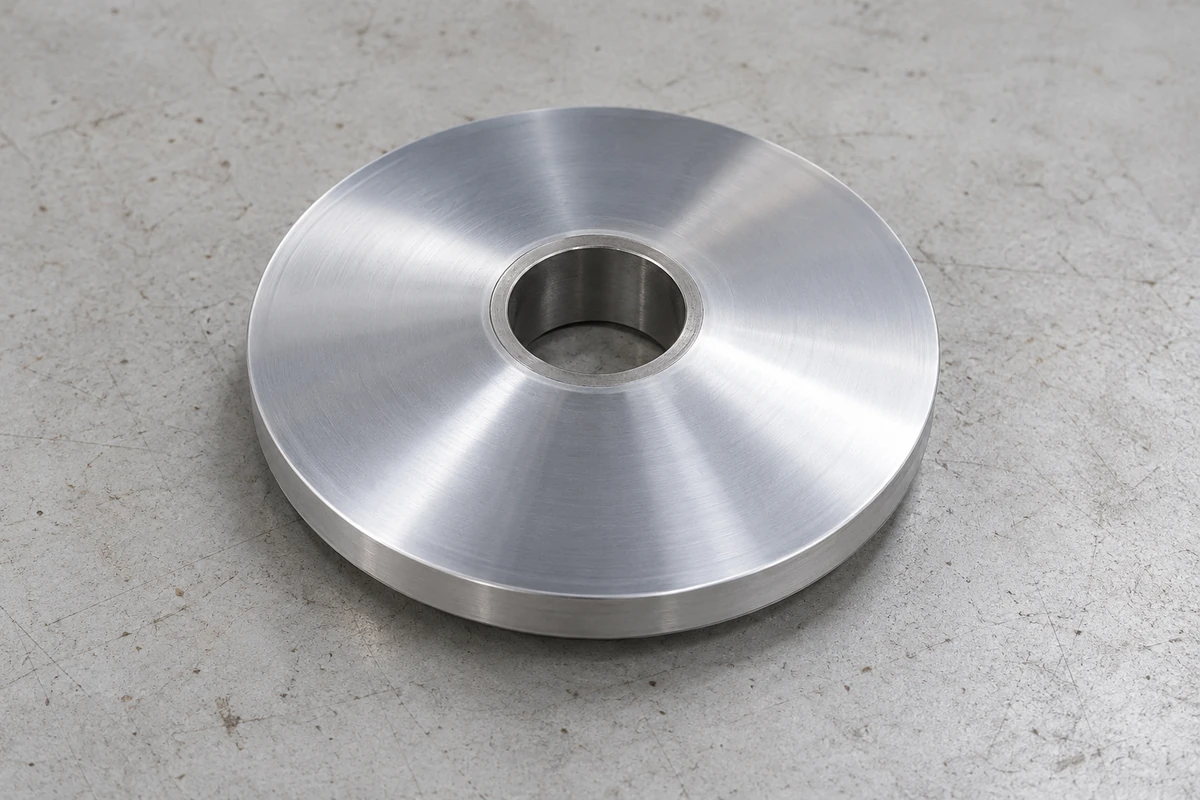
Keep fixed half-pulley profile fields tied to the released assembly drawing and leave unavailable angle conventions and interface details unresolved.
Read article: Fixed CVT Pulley RFQ: Preserve the Released Face Profile→ -
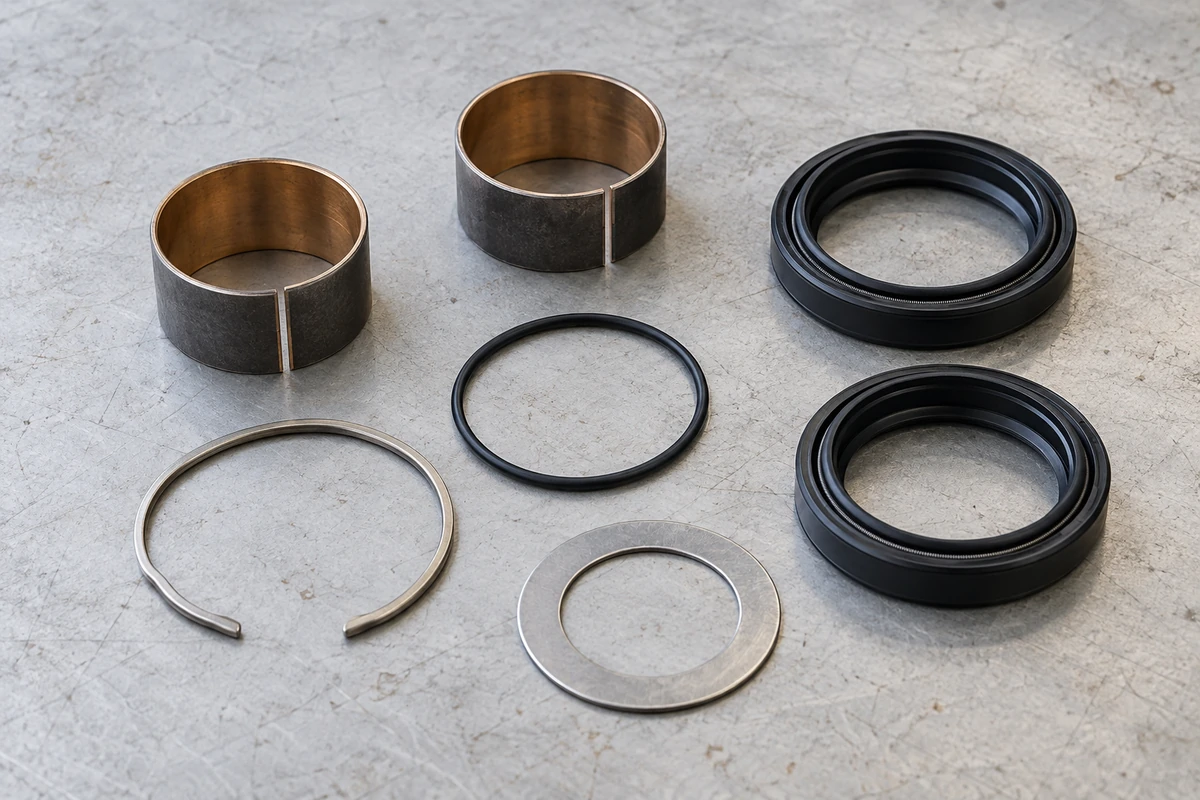
Map the approved fork-service positions to exact kit contents, keeping bushings, oil seals, dust seals and ancillary items separate.
Read article: Fork Service Kit RFQ: Map Bushings and Seals to Their Jobs→ -
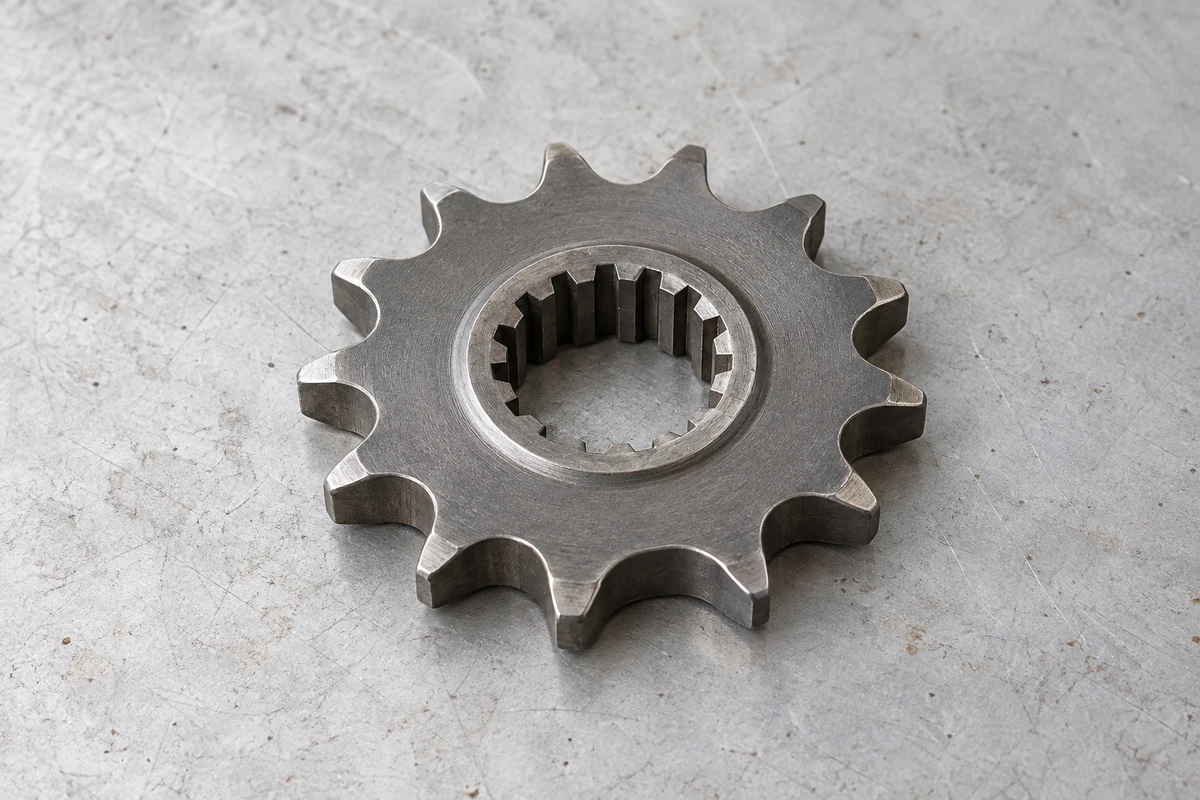
Preserve the full front-sprocket reference, tooth-specific application row and any chain-conversion qualification when comparing offers.
Read article: Front Sprocket RFQ: Keep Tooth Options and Conversion Notes→ -
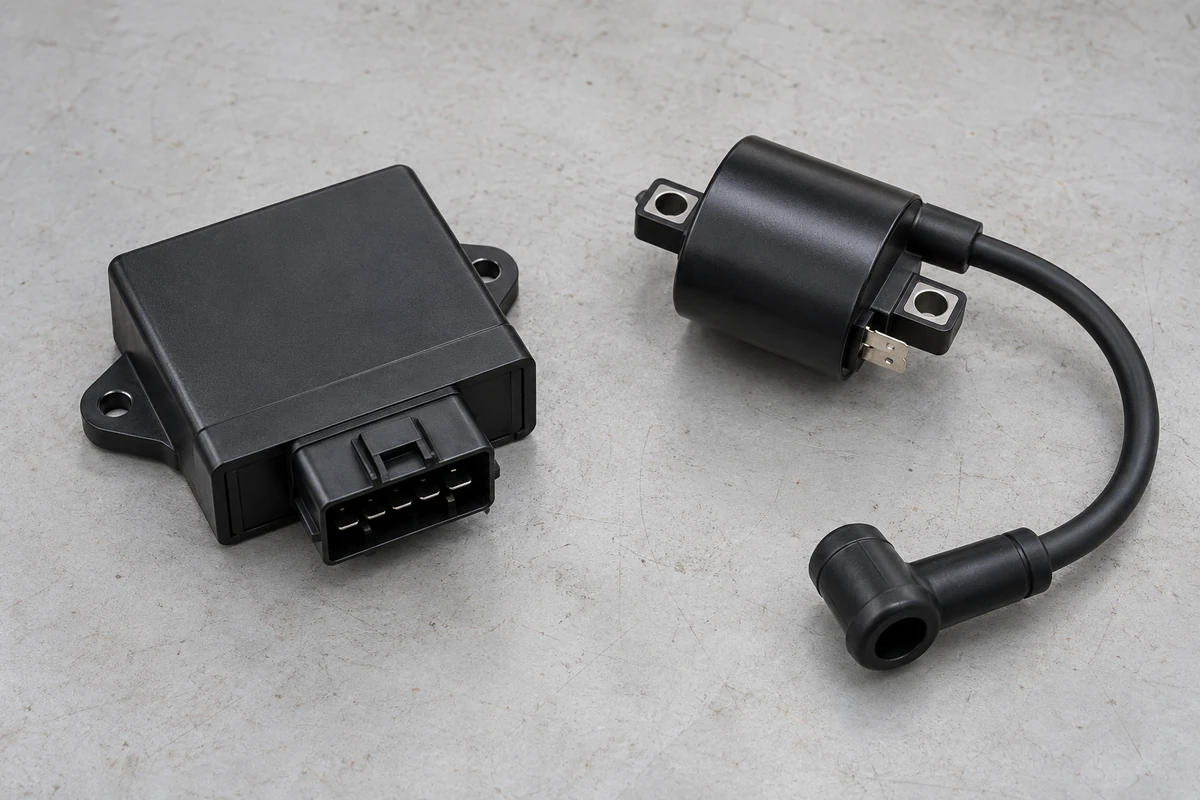
Keep TCI or CDI architecture, power source, coil relationship and required control functions attached to an ignition-module quotation.
Read article: Ignition Module RFQ: Match the System Before Comparing Boxes→ -
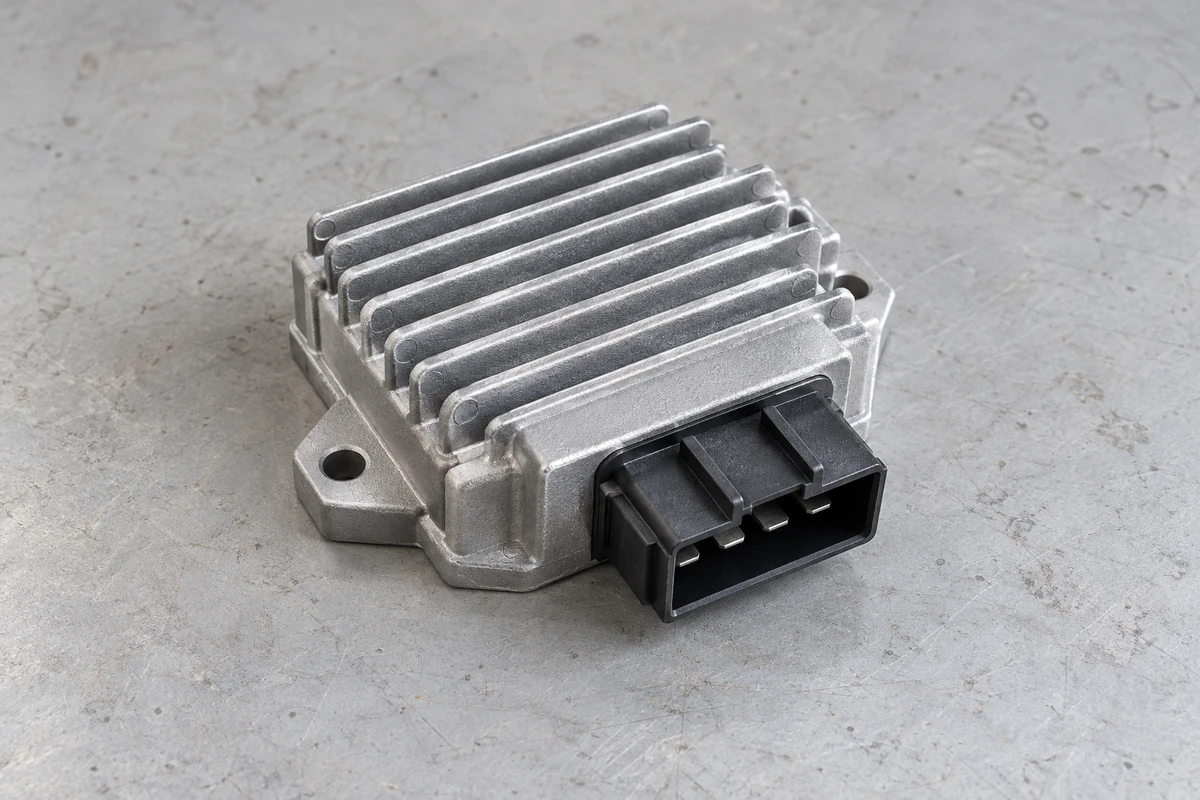
Separate generator phase count, regulation architecture and exact module identity before comparing a motorcycle regulator replacement.
Read article: Regulator RFQ: Phase Count and Architecture Before MOSFET Labels→ -
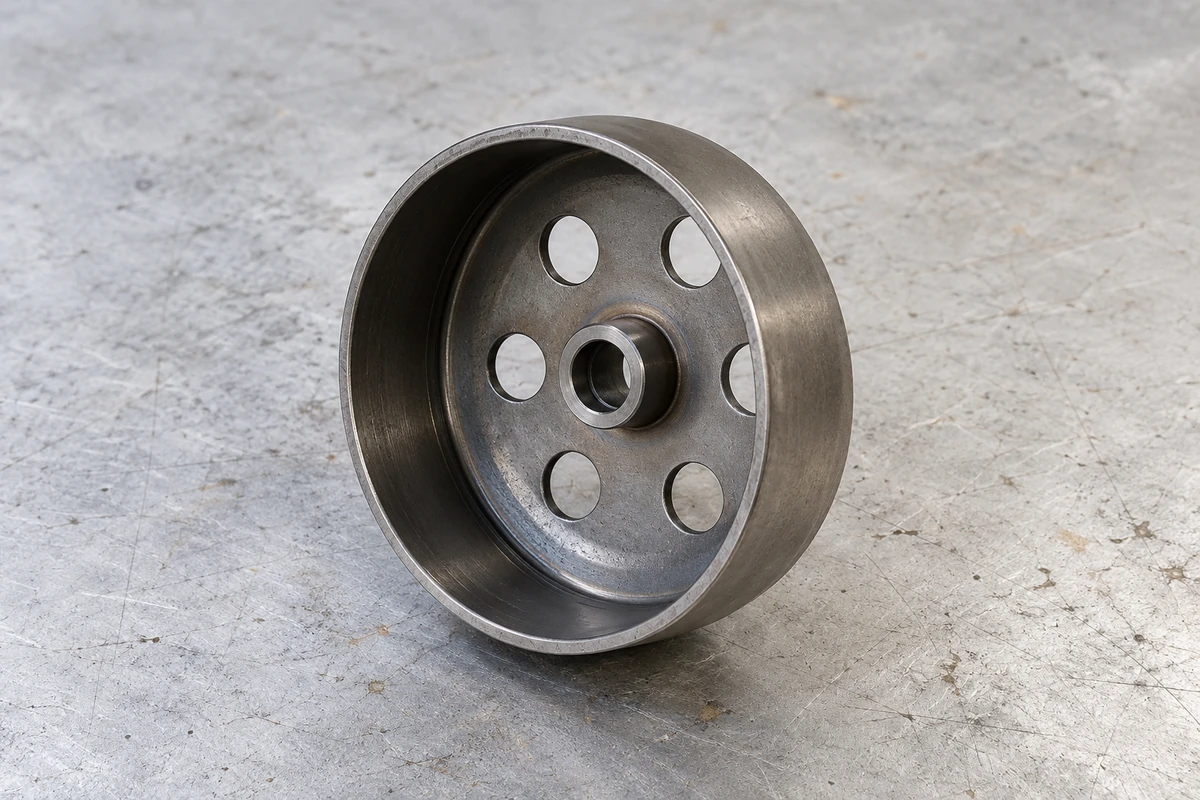
Identify whether the approved request is for a bell alone or a clutch-and-bell system, and document any assumption about the retained clutch.
Read article: Scooter Clutch RFQ: Separate a Bell from a Documented System→ -
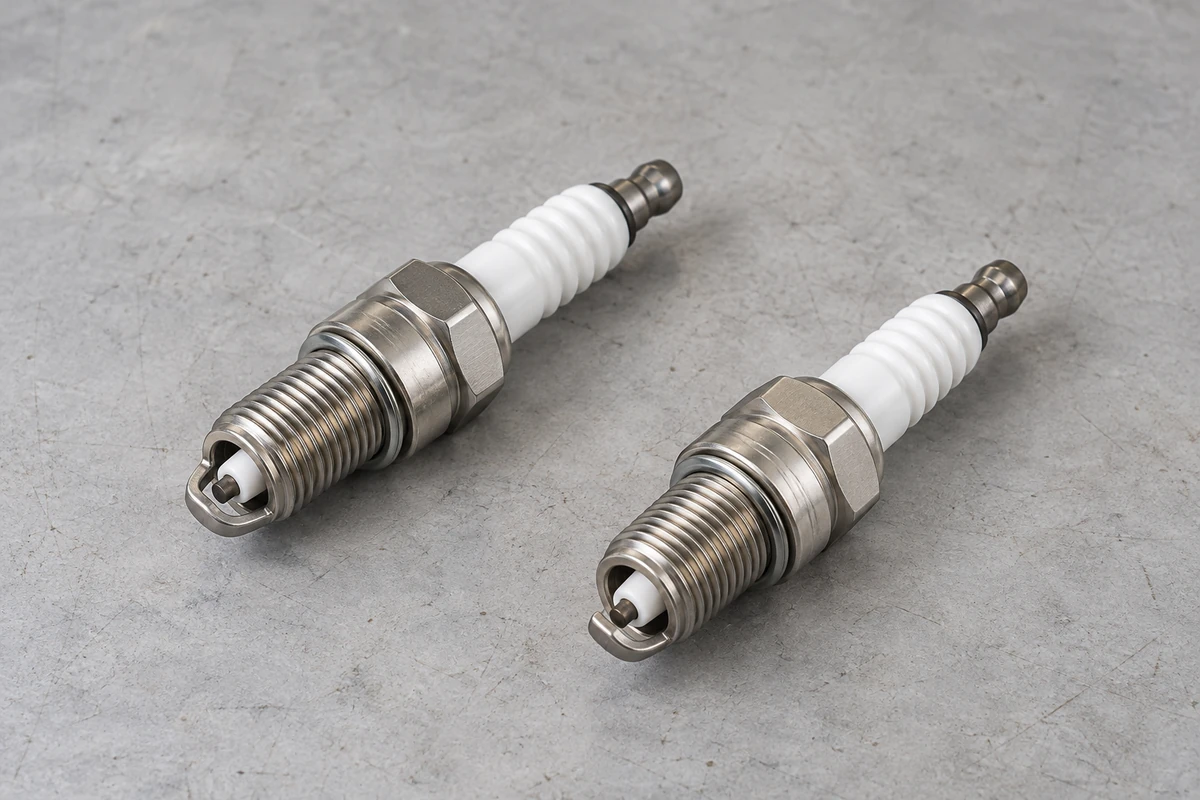
Keep full spark-plug codes and application cross-references together instead of treating similar heat-range numbers as cross-brand equivalents.
Read article: Spark Plug RFQ: Do Not Match Heat Numbers Across Brands→ -
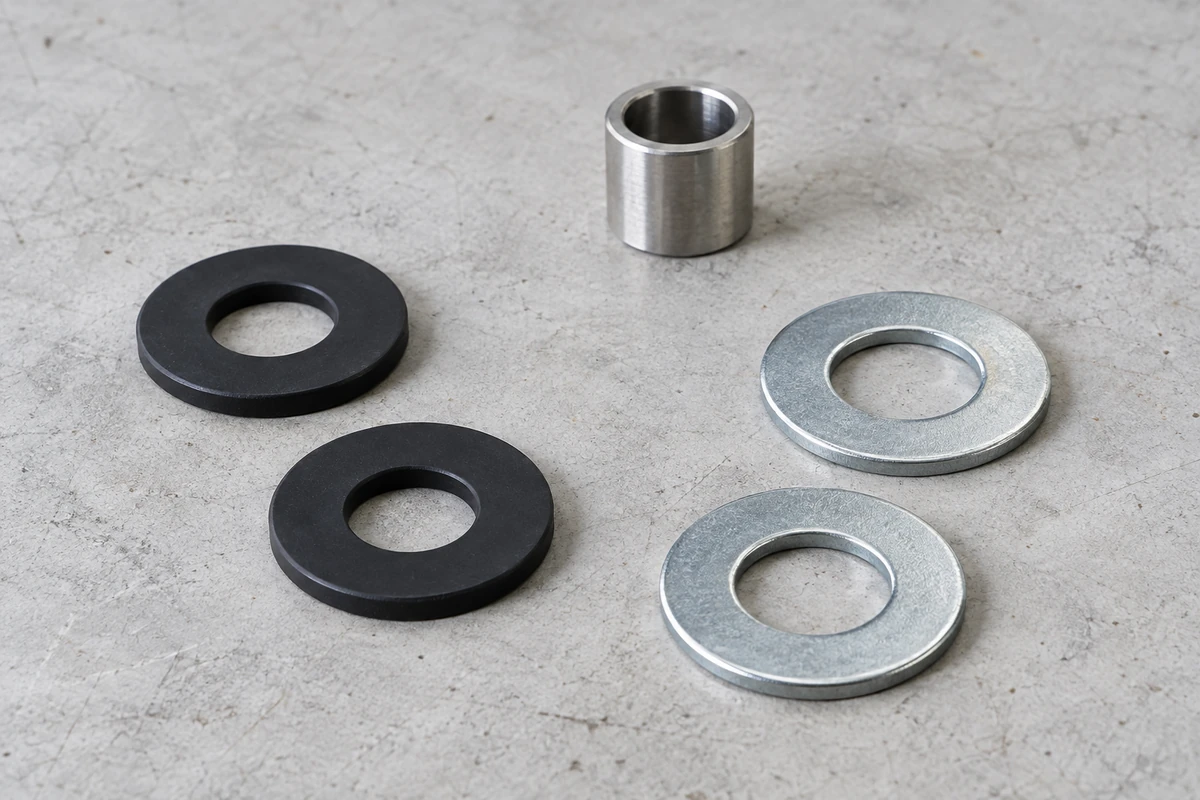
Require exact kit and revision evidence when a supplier proposes a changed thrust-element material or construction in a swing-arm kit.
Read article: Swing-Arm Kit RFQ: Review a Changed Thrust Element→ -
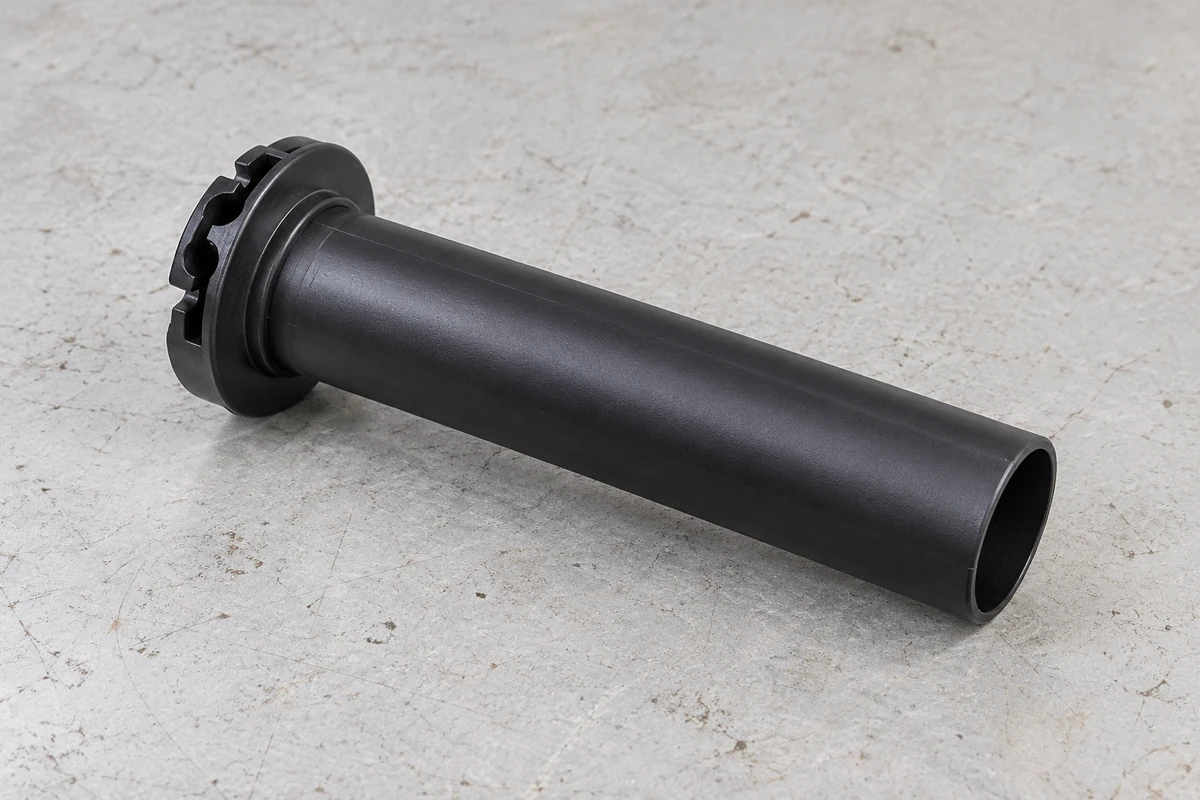
Resolve the installed throttle control and exact tube-to-control reference before using a vehicle application lookup on a modified motorcycle.
Read article: Throttle Tube RFQ: Identify the Actual Control Assembly→ -
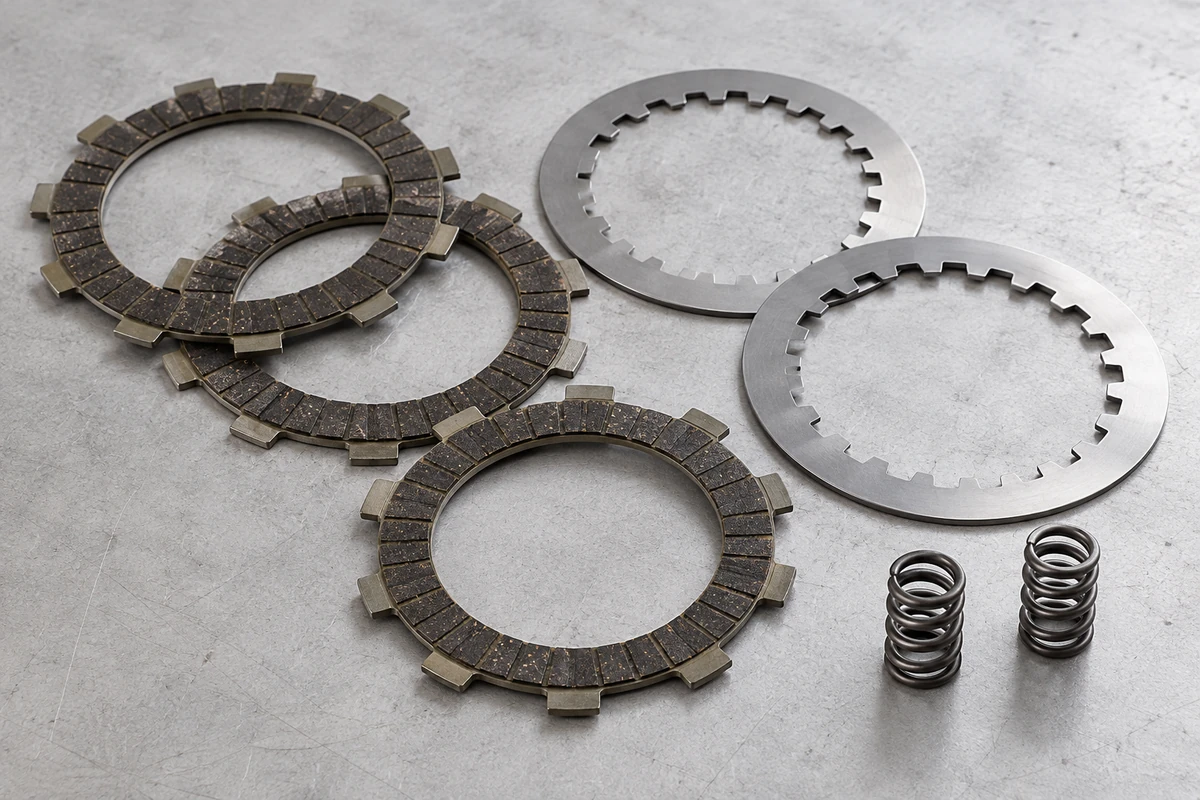
Define the authorized clutch-stack requirement and retained-component boundary before comparing friction-only sets with broader rebuild kits.
Read article: Wet Clutch RFQ: Friction Set or Controlled Rebuild Stack?→ -

Turn a generic bodywork request into a component schedule and a physical-reference sample brief that suppliers can answer line by line.
Read article: Motorcycle bodywork RFQ: specify panels, color and finish→ -

Normalize supplier quotes to the same defined contents before comparing price, pack multiples or carton quantities.
Read article: Compare motorcycle-parts quotes: pieces, bags, pairs and kits→
