
ATV Tie-Rod RFQ: Separate Replacement from an Upgrade
Keep the approved steering interfaces fixed in a replacement RFQ and identify any tie-rod upgrade as a separate integration proposal.
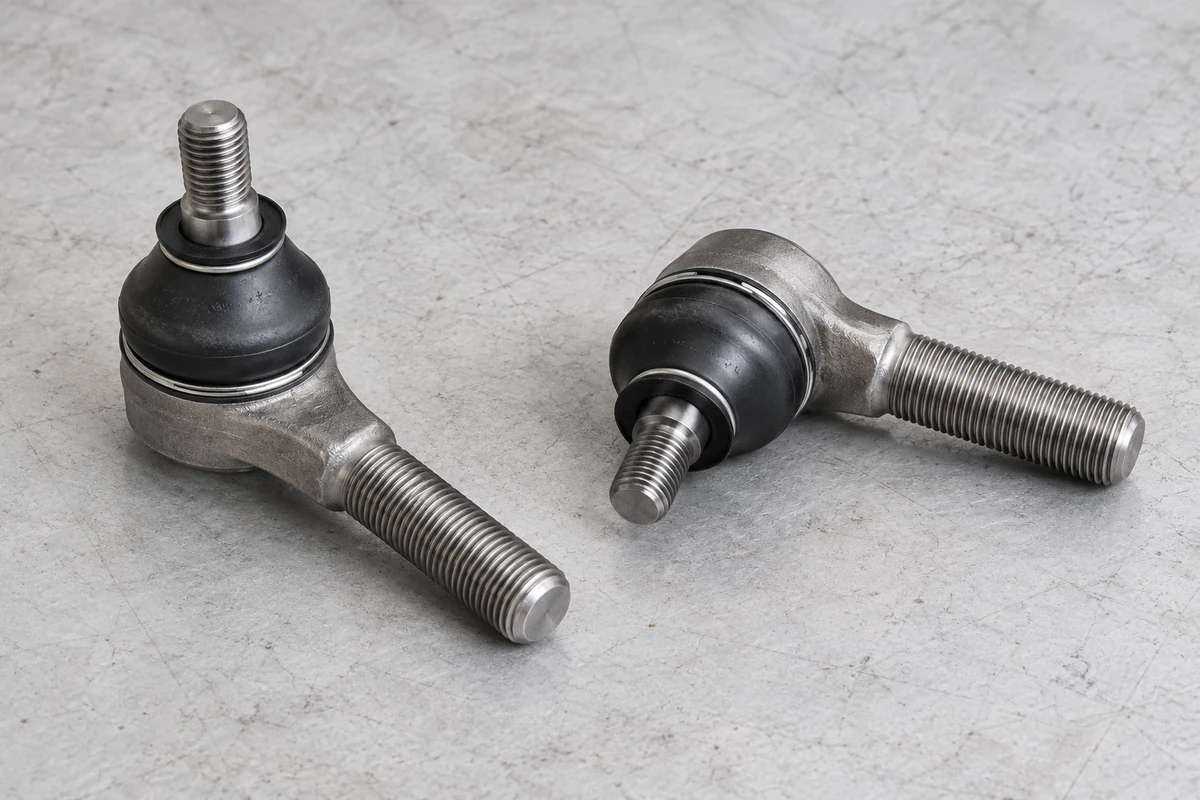
An RFQ for ATV tie rods must show whether the supplier is quoting the authorized replacement or changing the steering arrangement. The word upgrade cannot make a different interface an ordinary price alternative.
Begin with the actual vehicle and steering assembly references, the required end-only or rod-system scope, and the technical provider's released interface record. The purchasing task is to preserve that baseline and return deviations for review. It does not authorize steering adaptation.
A catalogue can contain different kinds of offers
All Balls separates tie-rod end kits from upgrade kits and describes upgrades that change rod/end specifications. It also states that the kits are vehicle-specific. These range descriptions show why the supply type and interface-change question belong in the RFQ; they do not approve an individual assembly or establish that a changed design is better for the buyer. All Balls tie-rod range
Keep the seller's exact kit reference and its declared purpose. A quote for replacement ends should not be compared as though it were a complete upgraded rod arrangement, and a system offer should not be treated as equivalent merely because it includes ends.
Avoid repeating strength or failure claims from advertising. For this decision, the useful evidence identifies the proposed construction and all interface changes, then connects them to the exact application through the responsible review process.
Preserve the unchanged steering baseline
Ask the provider to identify the released mating interfaces and required references. Where drawings or component records are available, preserve their revision and units. Do not manufacture a thread, taper or other interface specification from an old photograph.
Record any known changes to the steering assembly. If the installed arrangement differs from the original vehicle, ask the provider which record governs the replacement. A vehicle-model dropdown does not resolve an undocumented prior modification.
Require the supplier to state whether its candidate needs related parts or changes outside the requested component. An offer that depends on changing another mating item is a changed integration scope even if the seller calls those items accessories. Keep every dependency attached to the product proposal rather than burying it in a later message.
A fictional upgrade offered as a discount
Suppose a fictional buyer requests replacement ends preserving an approved interface. Offer A identifies its exact ends and the applicable vehicle record but still needs provider confirmation. Offer B offers an upgraded rod system with changed end specifications and presents it as better value.
A can continue through the required application review on the intended scope. B must disclose the changed interfaces and related components and go to the technical approval owner as a separate proposal. The buyer must not convert B into a matching quote by assuming that the steering can be adapted.
If B cannot provide a complete change record, retain it as unresolved. If it later supplies one, that allows a more informed review; it is not approval by itself. Neither a low price nor a broad durability statement establishes suitability for the actual ATV.
A negotiation request that preserves the steering requirement
Ask the supplier to quote the approved replacement first and show any upgrade separately. A useful message is: 'Identify the exact offered kit, confirm end-only or rod-system scope, and list every difference from the released interfaces. State required related parts. Do not substitute an upgrade under the replacement line.'
For a drawing-based or unbranded candidate, request evidence appropriate to the safety-sensitive application without promising that a seller can manufacture or validate it. Keep technical provider confirmation as a release condition.
This article gives no reaming, thread adaptation, alignment, installation or road-trial instructions. It helps a buyer recognize when an apparent bargain has become a different steering project and route that decision to the proper owner.
A product-specific quotation worksheet
| Field | Record and request | Keep unresolved |
|---|---|---|
| Actual steering reference | Vehicle and installed assembly records | Original configuration assumed after a change |
| Supply scope | End-only or full rod-system requirement | Upgrade package treated as the same object |
| Released interfaces | Authorized source and revision | Fit inferred from a picture |
| Offered changes | Every declared dimensional or construction deviation | Upgrade label used instead of change details |
| Related parts | Exact dependencies and exclusions | Adapter or mating change hidden as an accessory |
| Approval owner | Responsible provider and unresolved disposition | Lower price treated as steering approval |
Use this original purchasing worksheet to record the supplier’s actual answers. It is not a test procedure or fit certificate; unresolved safety-sensitive application questions require exact product evidence and confirmation by the responsible provider.
Prepare a sourcing request
Use the ATV parts category for the product group and the Motoparts sourcing request for the exact item and unanswered question. Keep any affordable aftermarket or unbranded alternative tied to the authorized application or released drawing. Motoparts is an independent buying agent for aftermarket and unbranded parts; a request does not establish supplier manufacturing capability, guaranteed savings, branded affiliation or technical approval.
The initial form accepts a description of 8–1200 characters and up to five PNG, JPEG, WebP or GIF images, limited to 10 MiB each and 20 MiB total. Authorized drawing images may start a customization enquiry. CAD, PDF and ZIP files require a separately agreed authorized exchange; the image field is not a technical-file portal.
Frequently asked questions
Is a tie-rod upgrade the same RFQ scope as replacement ends?
No. Identify the supplied object and interface changes. Quote the authorized replacement separately from any rod-system or upgrade proposal.
Can the seller choose a larger end as a stronger alternative?
Treat any changed specification as a separate proposal requiring application-specific evidence and responsible technical authorization. A strength label does not settle integration or suitability.
Why ask about related parts in the same enquiry?
A candidate may depend on changes outside the requested component. Those dependencies change the integration scope and need to be visible before the offer is compared or approved.
Can a drawing match approve an unbranded steering component?
A drawing response is only part of the evidence. The safety-sensitive application needs appropriate product-specific support and technical provider confirmation; this worksheet does not certify the component.
Sources
Discuss a sourcing request related to this article.ATV Tie-Rod RFQ: Separate Replacement from an Upgrade