
Suspension Sag Handover: Identify the Recorded Load Case
Keep rider, equipment and extension-reference context with a returned sag record so a different load case is not mistaken for the same result.
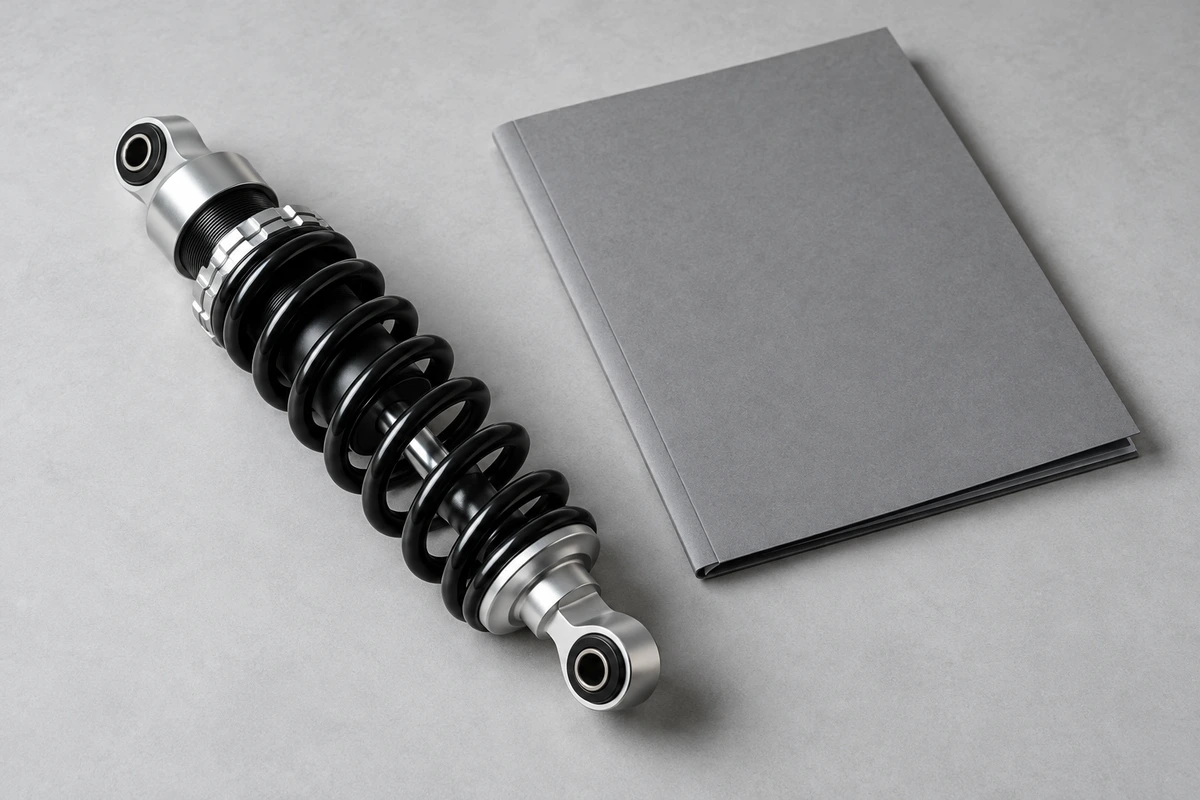
A returned suspension sheet headed “sag set” can leave the next owner unsure what the result describes. Before using it as the documentary baseline for an authorized suspension job, identify the recorded load case and the extension reference. A result for one rider or one reported equipment state should not silently become a result for another.
This is a handover of existing records. It does not tell anyone how to support a motorcycle, measure sag, select a spring or choose a setting.
Read the source's labels rather than guessing from the heading
Race Tech's sag page describes a rider-loaded result relative to full extension and separately identifies free sag with the motorcycle's weight but no rider. Its usage includes the labels static or race sag for the rider-loaded discussion. That is a reason to preserve definitions, not assume every workshop uses familiar labels identically. Race Tech sag context
Checked on 14 October 2026, the page provides a bounded example of loading and reference states. This article does not adopt its numerical recommendations, diagnostic statements or measuring instructions. The actual provider must identify the applicable basis for the buyer's suspension and authorized work.
Describe the represented load without collecting irrelevant details
Ask which rider or agreed load reference the record represents and whether the provider included the equipment relevant to that declaration. Use the minimum identifier needed to distinguish the service case; purchasing does not need unrelated health information or personal history.
Keep the rider/load declaration separate from the motorcycle and suspension identity. A correctly identified shock does not tell the recipient who or what was represented during the recorded event. Likewise, the rider name alone does not establish the luggage or other equipment context where it matters to the provider's record.
If the intended recipient differs from the recorded load case, flag that mismatch for the technical owner. Do not overwrite the former rider's identifier with the new owner's name, scale a result by a weight ratio or assume a familiar number transfers unchanged.
Keep the reference and reporting method attached
Request the provider's declared extension reference and its method document. The report should explain whether a number is a direct reading, an intermediate record or the reported result under that method. Purchasing should retain those distinctions without reproducing the measurement procedure.
When an earlier sheet is used for comparison, ask whether it represents the same suspension configuration and load case. A changed spring, provider-declared setup revision or different equipment context can break that association even if the motorcycle's registration identifier stays the same. Record the change as reported, not as a buyer diagnosis.
Sag-record handover worksheet
| Field | Evidence to preserve | Question for the author |
|---|---|---|
| Suspension and event | Actual assembly, vehicle association and work record | Which configured suspension is represented? |
| Result definition | Source wording and meaning of the sag label | Rider-loaded, motorcycle-only or another stated quantity? |
| Rider/load case | Minimal distinguishing reference and declared equipment context | Does it match the agreed service case? |
| Extension reference | Provider's reference-state declaration | What baseline gives the result meaning? |
| Method and result role | Applicable record and original units | Final reported result or an intermediate entry? |
| Transfer limitation | Changed case and qualified response | What remains unestablished for the new context? |
This original worksheet supplies no target sag, body position, spring rate or ride-readiness decision.
Fictional case: a new name on an old sheet
Imagine a fictional motorcycle changing owners after an authorized suspension service. The old sheet identifies rider case R and equipment context E. A handover clerk replaces the rider name with the purchaser's name while leaving the rest of the sheet unchanged.
That edit has created a false association rather than a new result. Preserve the original sheet and request an accurate cover note: the available evidence concerns R/E, while applicability to the new owner's intended context remains for qualified review. No new measurement or physical adjustment is authorized by correcting the file.
If the provider confirms that a separate existing record covers the new case, link it by its own event reference. If no such record exists, the commercial owner can ask for a separately defined service proposal. The useful closure is an honestly attributed baseline, not a claim that paperwork alone transferred suspension suitability.
This differs from fastening a suspension bush under an applicable load condition. Here the load defines the represented sag quantity; the record does not establish the condition at a tightening event or evidence that a fastening requirement was satisfied.
Send a focused purchasing enquiry
See Motorcycle parts for category context. A Motoparts sourcing request can identify the actual product and the specific missing provider answer. Motoparts offers independent aftermarket and unbranded buying coordination and supplier negotiation. Manufacturer examples here imply no affiliation, branded-goods offer, specialist-service capability, fit guarantee or engineering approval.
The initial form accepts a supported marketplace HTTPS link, an 8–1200-character description or screenshots. Images are limited to five PNG, JPEG, WebP or GIF files, 10 MiB each and 20 MiB combined. PDF, CAD, ZIP and other technical files need a separately agreed authorized exchange; the image field is not a technical-file portal.
Frequently asked questions
Does “static sag” always mean the motorcycle without a rider?
Do not assume that usage. The cited Race Tech page uses static or race sag in its rider-loaded discussion and separately describes free sag. Ask the report author for the actual definition rather than relabelling from memory.
Can a previous rider’s sag sheet become the new owner’s baseline?
It remains evidence of its declared case. Keep the original rider/load association and ask the qualified provider about relevance to the new context. Changing the name does not create a new result.
Does the correct shock part number settle the load-case question?
No. Component identity and the represented load are separate fields. Obtain the event-specific rider or load reference, relevant equipment context and extension-reference declaration from the provider’s actual service record.
Should purchasing calculate a new result from a weight difference?
No conversion or setting method is supplied here. Preserve the existing result and refer the changed context to the qualified technical owner, with any new work separately defined and authorized.
Sources
Discuss a sourcing request related to this article.Suspension Sag Handover: Identify the Recorded Load Case